
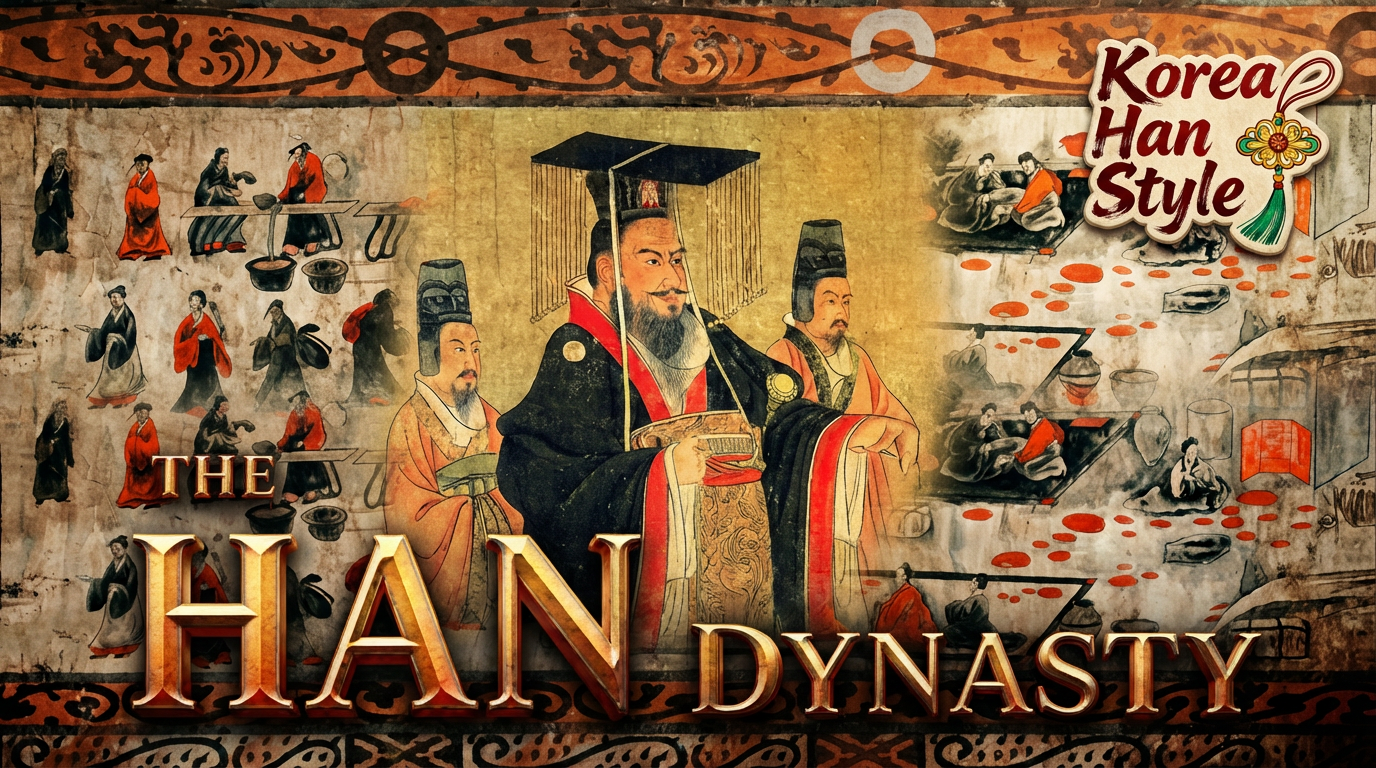
Folklore of the Han Era is one of the most important foundations in the development of ancient Chinese culture. During the Han Dynasty (206 BC–220 AD), folklore did not function merely as entertainment, but also served as a medium for moral education, social identity building, and the transmission of traditional values. Even today, the influence of Han-era folklore remains strong in modern Chinese literature, art, and belief systems.
The Role of Folklore in Han Society
During the Han period, people used folklore as a tool to convey life lessons. Stories about heroes, mythological creatures, and nature spirits were often passed down orally from generation to generation. Through these narratives, communities learned about loyalty, bravery, filial devotion, and harmony with nature.
In addition, folklore also played a role in strengthening social structures. Many stories portrayed the relationship between rulers and the people, while simultaneously promoting the values of just and ethical leadership. In this way, folklore became a bridge between political authority and popular culture.
Popular Characters and Themes in Han-Era Folklore
Han-era folklore is rich with legendary characters. One of the most common themes is the hero who fights against injustice. These figures are often depicted as possessing extraordinary strength, exceptional intelligence, or unwavering courage.
On the other hand, stories about mythological beings such as dragons, fox spirits, and guardian spirits of nature were also highly popular. These creatures were not always portrayed as evil. Instead, they often served as protectors of natural balance and carriers of moral messages. This theme reflects how Han society viewed the relationship between humans and the spiritual world.
Educational Function and Moral Values
One of the greatest strengths of Han-era folklore lies in its educational value. Folktales were frequently used to teach ethics and social norms. For example, stories about children who showed devotion to their parents emphasized the importance of filial piety, which remains a core principle in Chinese culture.
Furthermore, folklore also taught the importance of hard work and honesty. By embedding moral lessons within engaging storylines, these values became easier for audiences to understand and remember.
The Influence of Han-Era Folklore in the Modern Era
Although thousands of years have passed, Han-era folklore continues to remain relevant today. Many modern films, television dramas, novels, and games draw inspiration from stories of the Han period. Even traditional festivals and cultural rituals still use symbols that originate from ancient folklore.
Moreover, scholars and cultural researchers continue to study Han-era folklore to gain deeper insights into social history and the mindset of ancient Chinese society. This demonstrates that folklore is not merely a relic of the past, but a living cultural heritage.
Conclusion
is a cultural treasure that preserves historical, moral, and spiritual values. Through folktales, Han society shaped collective identity and passed wisdom down to future generations. By understanding this folklore, we not only learn about the past but also discover valuable lessons that remain relevant in modern life.

Leave a Reply