
Language Han Style reflects traditional East Asian linguistic aesthetics shaped by classical literature, cultural expressions, and philosophical depth. It often emphasizes poetic structure, respectful communication, symbolic meaning, and refined vocabulary that convey both emotion and cultural identity. In modern usage, writers and creators adapt these traditional language elements into contemporary communication, blending historical expression with modern storytelling to preserve cultural heritage while remaining relevant to global audiences.
- The Most Flourishing Language During the Han Dynasty, Classical Chinese.
 The Han Dynasty, (206 BCE – 220 CE) marked one of the most remarkable eras in Chinese history, not only for its political and economic achievements but also for its cultural and linguistic development. During this period, the Chinese language… Read more: The Most Flourishing Language During the Han Dynasty, Classical Chinese.
 - Preserving Language: From the Han Dynasty to Modern Times
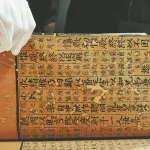 Language serves as the lifeblood of culture, connecting generations and preserving history. From the Han Dynasty language. (206 BCE – 220 CE) to the present day, the Chinese language has undergone significant transformations, yet its essence remains intact, showcasing a… Read more: Preserving Language: From the Han Dynasty to Modern Times
 - Languages Used and Rarely Used During the Han Dynasty
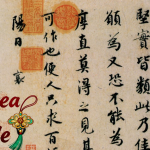 Han Dynasty language, (206 BCE – 220 CE) is one of the most significant periods in Chinese history. During this era, language was not only a tool for communication but also a reflection of culture, politics, and education. The languages… Read more: Languages Used and Rarely Used During the Han Dynasty