
The Han Dynasty, (206 BCE – 220 CE) represents one of the most remarkable periods in ancient Chinese civilization. Known for its political stability, technological innovations, and cultural development, this era provides a fascinating lens to explore the essentials of human life: food, clothing, and shelter. These three elements not only satisfied basic needs but also reflected social structure, economic systems, and cultural values of Han society.
Food: From Fields to Feasts
Food was the cornerstone of daily life in Han China. Agricultural advancements, including the iron plow and efficient irrigation systems, dramatically increased crop yields. Staple foods such as rice, millet, and wheat fed the majority of the population, while surplus production supported urban growth and strengthened the economy.
Taxation on crop yields, known as the grain tribute system, ensured state stability and funded infrastructure projects. Additionally, food preservation techniques like drying, salting, and fermentation allowed communities to endure harsh winters or periods of scarcity.
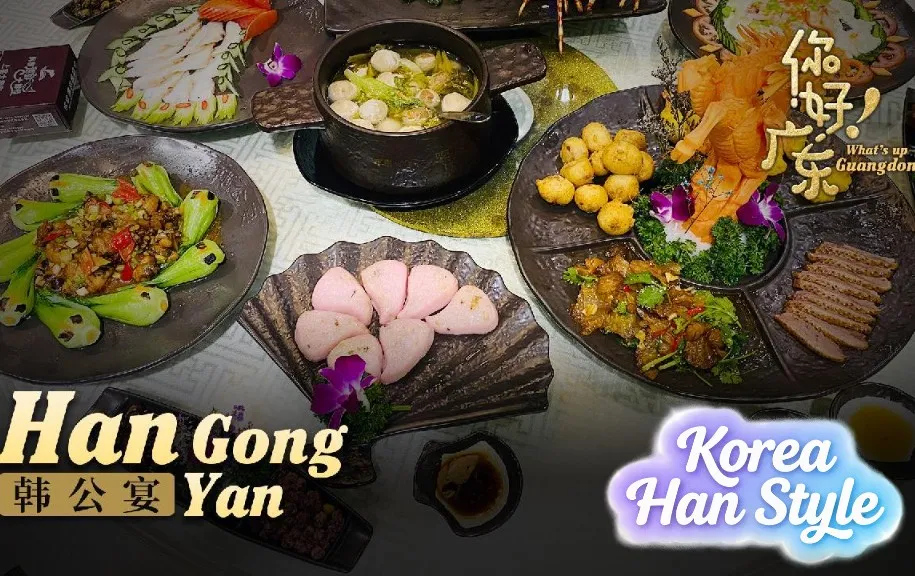
For the elite, diets became more diverse and elaborate. Meat, exotic spices, and tea symbolized status, demonstrating that while food met physical needs for all, it also signified social hierarchy. Transitioning from simple meals to lavish banquets illustrated the interplay between sustenance and societal identity in Han China. Han Dynasty clothing.
Clothing: Practicality Meets Prestige
Clothing in the Han Dynasty extended beyond protection from the elements; it was a symbol of status and identity. Fabrics such as silk, hemp, and wool varied according to social class. Silk, in particular, was reserved for nobles and officials, highlighting wealth and prestige.
The booming silk industry also catalyzed international trade along the Silk Road, connecting China with Central Asia, the Middle East, and beyond. Clothing became not only a necessity but also a key commodity in global commerce.
Commoners typically wore simple, functional garments that were loose and layered, balancing comfort with practicality. The Han style of clothing, with its flowing lines and versatile design, influenced later Chinese fashion and remains iconic in traditional attire today.
Shelter: Homes as Social Statements
Shelter during the Han Dynasty reflected both environmental adaptation and social hierarchy. Rural farmers lived in simple homes built from bamboo, wood, and clay, designed for practicality and climate resilience. Northern regions featured sturdier roofs to withstand snow and wind.
In contrast, elites resided in expansive complexes with courtyards, gardens, and decorative elements. These homes symbolized wealth, power, and social standing, demonstrating that shelter was not just a basic need but also a marker of societal position. Han Dynasty food.
Conclusion: Essentials as Windows into Civilization
The Han Dynasty’s approach to food, clothing, and shelter reveals much about its society. From fertile fields and silk garments to durable homes, these essentials illustrate the ingenuity, culture, and social complexity of Han China. Understanding these elements provides a vivid picture of how a civilization balanced basic survival with status, economy, and culture, leaving a lasting legacy that still inspires today.

Leave a Reply