
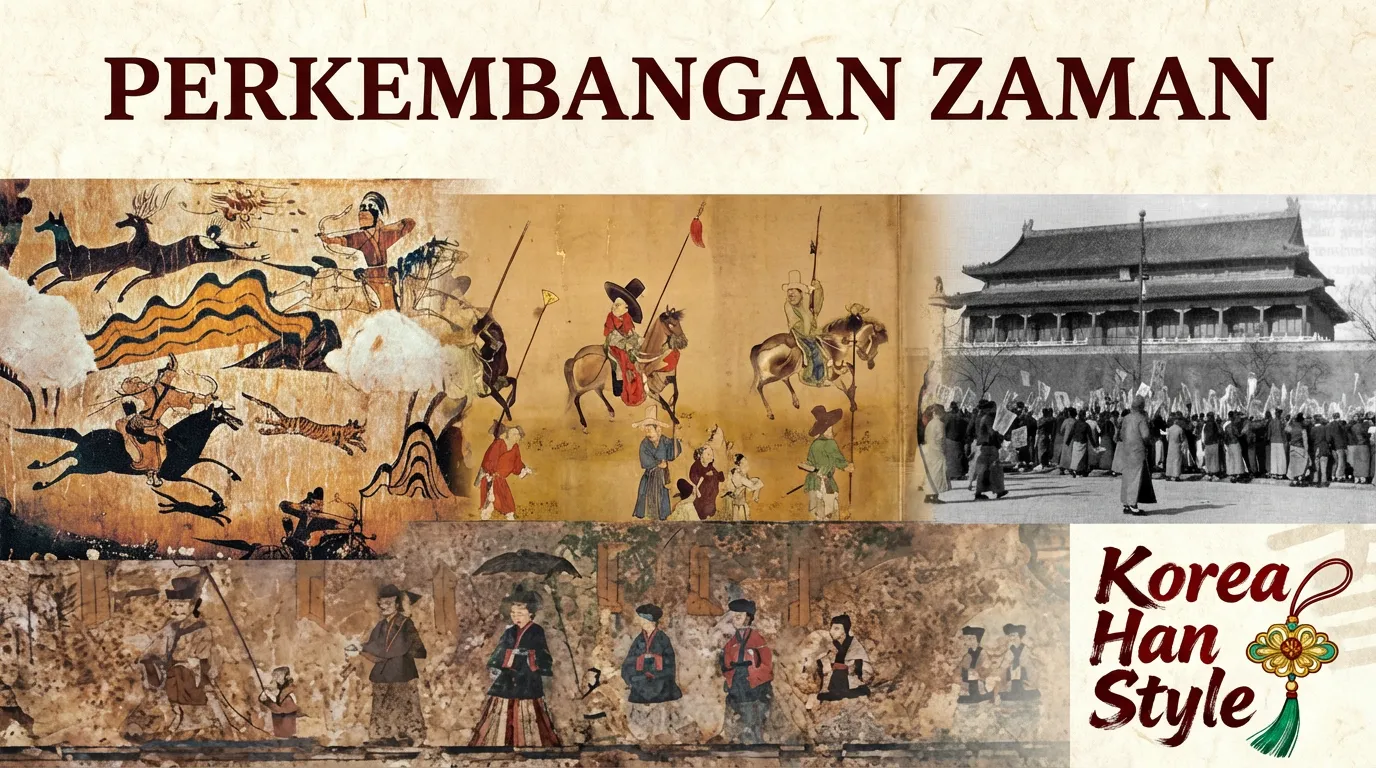
The Han Dynasty (206 BC – 220 AD) in China had a profound influence on the Korean Peninsula, particularly on early kingdoms such as Goguryeo, Baekje, and Silla. During this period, industry in Korea began to develop as an adaptation of Han technology, while still relying on local resources and traditional skills. This transformation paved the way for a more structured and diversified economy. Ancient Korean industry.
Metalworking and Military Equipment
One of the most prominent industrial sectors was metalworking. Casting techniques for iron and bronze were introduced from the Han Dynasty to Korea. The Koreans used metal to produce:
- Weapons and military tools, strengthening kingdom defenses
- Agricultural implements, such as plows and sickles, which boosted food production
- Jewelry and ritual artifacts, reflecting advancements in art and social status
The transition from stone and wood to metal marked a technological leap that impacted both the economic and social life of the people.
Textile and Handicraft Industries
In addition to metalworking, the textile industry began to flourish. Weaving and dyeing techniques were influenced by Han culture. Fabrics made from hemp and later cotton were produced locally for both commoners and the elite. This industry also stimulated local and regional trade, as textiles became valuable commodities. Ancient Korean industry.
Agriculture and Early Industrial Technology
Although still primarily agrarian, Korean industry during the Han era was closely linked to agriculture. Iron tools, waterwheels, and basic irrigation systems increased food production. The resulting surplus allowed for the development of crafts and trade, moving the economy beyond subsistence levels.
Han Influence on Economic Structure
The Han influence is evident in several areas:
- Organized manufacturing, including royal workshops for metal and crafts
- Resource distribution, such as timber, clay, and metals
- Production standards, inspired by Han administrative models to ensure product quality
Korean kingdoms used these concepts to improve efficiency and strengthen their political positions through a more stable economy. Korean industry during Han Dynasty.
Innovation and Local Adaptation
While many technologies were adopted from the Han, Koreans adapted them to local conditions. Metal casting was modified to suit locally available ores, and weaving patterns were adjusted to climate and cultural preferences. This adaptation highlights the innovative capabilities of ancient Korea, blending foreign influence with indigenous tradition.
Long-Term Impact
Industry during the Han era laid the foundation for:
- Economic growth of Korean kingdoms, particularly through trade and taxation
- Military advancements, thanks to metal weapons and improved armament
- Cultural development, via crafts, textiles, and metal artistry
These developments demonstrate that even in ancient times, cross-cultural interactions could drive local industrial progress and strengthen socio-economic structures.
Conclusion
Industry in Korea during the Han Dynasty was not merely about producing goods but also about adaptation, innovation, and cultural exchange. Han influence provided technological and administrative guidance, while local creativity enabled Korea to grow independently. This era stands as a crucial milestone in early Korean industrial history, laying the foundation for economic and cultural development in the centuries that followed.

Leave a Reply