
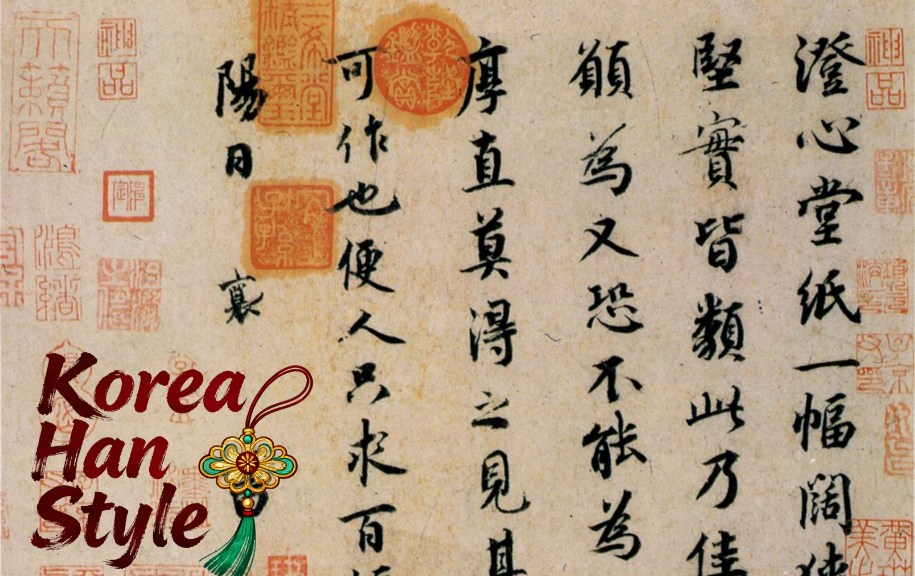
Han Dynasty language, (206 BCE – 220 CE) is one of the most significant periods in Chinese history. During this era, language was not only a tool for communication but also a reflection of culture, politics, and education. The languages used during the Han Dynasty had unique characteristics in both spoken and written forms, and some words and expressions were rarely used or have nearly disappeared today.
Spoken and Written Language
The primary language for administration and official literature was Classical Chinese, or Wényánwén (文言文). This language is known for its brevity in words yet richness in meaning. Each character often carries multiple layers of meaning, influencing how texts are interpreted. During the Han era, it was widely used in government documents, historical records, poetry, and philosophical writings.
The contrast between everyday spoken language and official written language was significant. Spoken language among the common people tended to be flexible and expressive, while official language emphasized precision and decorum. This strict use of formal language caused some ancient terms to become rare, especially in daily conversation.
Rarely Used Words and Terms
Some words that were common during the Han Dynasty sound unfamiliar to modern readers. For instance, “yì” (易), originally meaning “change” in a philosophical context, often appeared in the I Ching. Words like these, which carry symbolic and philosophical nuances, are rarely used in modern daily speech. Han literature.
Additionally, administrative terms like “shǐ” (使), referring to official envoys or messengers, or “gōng” (公), referring to high-ranking officials, are mostly found today in historical studies or classical literature. These words were frequent in official documents and inscriptions across Han China but gradually faded from everyday conversation.
Table 1: Rare Words in Han Dynasty and Their Meanings
| Word | Pronunciation | Meaning / Function |
|---|---|---|
| 易 | yì | Change, often philosophical context |
| 使 | shǐ | Official envoy, messenger |
| 公 | gōng | High-ranking official, noble title |
| 吏 | lì | Bureaucrat or minor official |
| 君 | jūn | Ruler, lord, or noble |
The Influence of Han Language on the Future
Although some words became rare, the language of the Han Dynasty had a significant impact on the development of Chinese. Many characters and terms from this era formed the foundation of modern Mandarin. The philosophies encoded in Han language are still studied today in classical literature and historical studies.
The shift from formal to everyday language also contributed to the emergence of dialectal variations across regions. Rarely used words from the Han period provide valuable insights into social life, governmental structures, and popular thought during that time. spoken Han language.
Table 2: Examples of Administrative and Philosophical Terms
| Term | Usage Context | Modern Relevance |
|---|---|---|
| 易 (yì) | Philosophy, divination | Studied in classical texts |
| 使 (shǐ) | Government, envoy | Historical reference only |
| 公 (gōng) | Official titles | Rare, only in historical studies |
| 吏 (lì) | Bureaucratic documents | Historical research |
| 君 (jūn) | Governance, leadership | Classical literature |
Conclusion
The language of the Han Dynasty offers a window into the past. From precise official terms to rarely used words rich in meaning, it reflects the complexity of culture and politics of that era. Understanding these rarely used words helps us appreciate the intellectual and linguistic legacy of the Han Dynasty and provides context for the evolution of modern Chinese.

Leave a Reply