
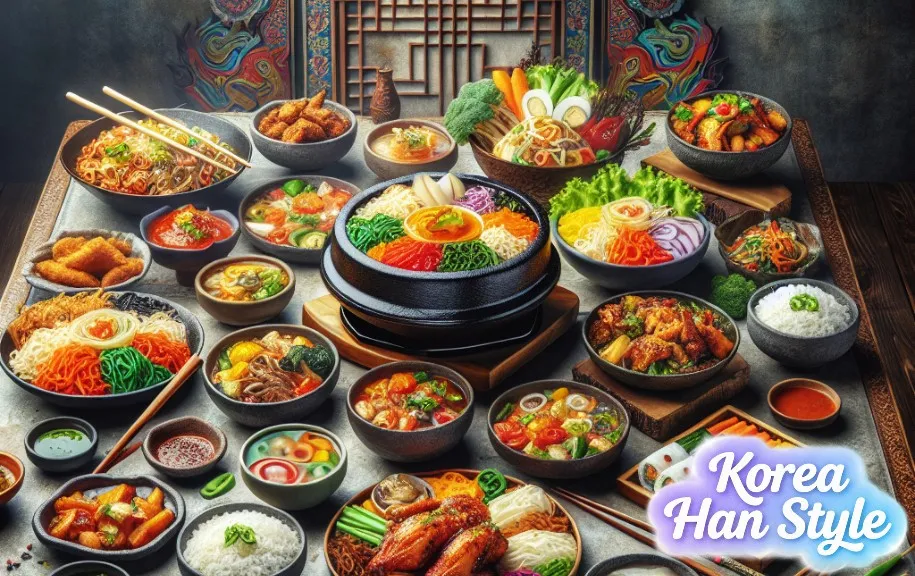
Korean cuisine has always attracted global attention because of its unique flavors and rich traditions. Interestingly, the roots of Korean food reach far beyond modern times. Historical records reveal significant culinary interactions between Korea and China, particularly during the Han Dynasty (206 BCE – 220 CE). During this period, Korean food evolved by absorbing Chinese influences while maintaining its distinct local character. Korean food history.
Trade and Cultural Exchange Shaping Korean Cuisine
The Han Dynasty played a crucial role in expanding trade and diplomatic relations with the Korean Peninsula. As a result, culinary exchanges flourished. Historical sources indicate that Koreans adopted certain ingredients, cooking methods, and seasoning techniques from China. For example, fermented soybeans, which later became the foundation of doenjang (soybean paste) and ganjang (soy sauce), began spreading to Korea during this time. These ingredients now form the backbone of Korean cuisine, demonstrating how Han Dynasty influence shaped the culinary traditions we recognize today.
Fermentation and Food Preservation Techniques
Korean food history, Koreans developed advanced food preservation techniques during this era. They used fermentation for vegetables and fish, likely inspired by Chinese methods. This approach extended the shelf life of food and created distinct flavors that define Korean dishes. For instance, kimchi, although in its modern form appeared later, traces its roots to these early preservation practices. Consequently, fermentation became a hallmark of Korean culinary identity.
Table 1: Common Fermented Foods in Early Korean Cuisine
| Food Item | Method of Preparation | Purpose | Modern Equivalent |
|---|---|---|---|
| Vegetables | Fermented in salt and jars | Preservation & flavor | Kimchi |
| Soybeans | Fermented into paste | Protein source & seasoning | Doenjang (soybean paste) |
| Fish | Salted and fermented | Longer shelf life | Jeotgal (fermented seafood) |
Daily Meals and Royal Influence
Han Dynasty influences affected the structure of meals in Korea. People primarily consumed rice, millet, and wheat, accompanied by simple side dishes like fish, vegetables, and occasional meat. Meanwhile, historical records suggest that the elite and royal families experimented with more complex dishes. These meals combined sweet, salty, and sour flavors, setting a precedent for the balanced, flavorful dishes that Koreans enjoy today.
Table 2: Typical Meal Structure in the Han Dynasty Korea
| Meal Type | Common Ingredients | Flavor Profile | Notes |
|---|---|---|---|
| Everyday Meal | Rice, millet, vegetables, fish | Light and savory | Consumed by general population |
| Elite/Royal Meal | Rice, meat, fish, vegetables | Sweet, salty, sour blend | Showcased complex cooking techniques |
| Festive/Offerings | Special grains, meats, fermented dishes | Rich and ceremonial | Used for rituals and special occasions |
Legacy of the Han Dynasty in Korean Cuisine
The Han Dynasty encouraged culinary innovation through knowledge exchange, which enriched Korea’s food culture. Over time, traditional dishes such as broth-based soups, banchan (side dishes), and fermented foods became more sophisticated and diverse. These developments illustrate that food served as a medium of cultural exchange, reflecting both creativity and adaptability. Han Dynasty Korean cuisine.
Ultimately, Korean food during the Han Dynasty represents more than flavor; it embodies history and cultural identity. The fusion of local practices with Chinese influences laid the foundation for a dynamic, rich culinary heritage. By tracing these origins, we gain a deeper appreciation for modern Korean cuisine from tangy, spicy kimchi to comforting, savory soups. Each dish today carries centuries of experimentation, trade, and cultural dialogue.
Conclusion: The Enduring Influence of Early Korean Cuisine
Exploring Korean food during the Han Dynasty shows that every meal tells a story. Culinary heritage does not merely satisfy hunger; it preserves history, bridges cultures, and delights the senses. Understanding this ancient influence allows us to experience Korean cuisine not just as a global trend but as a living testament to thousands of years of cultural exchange and culinary creativity.

Leave a Reply