
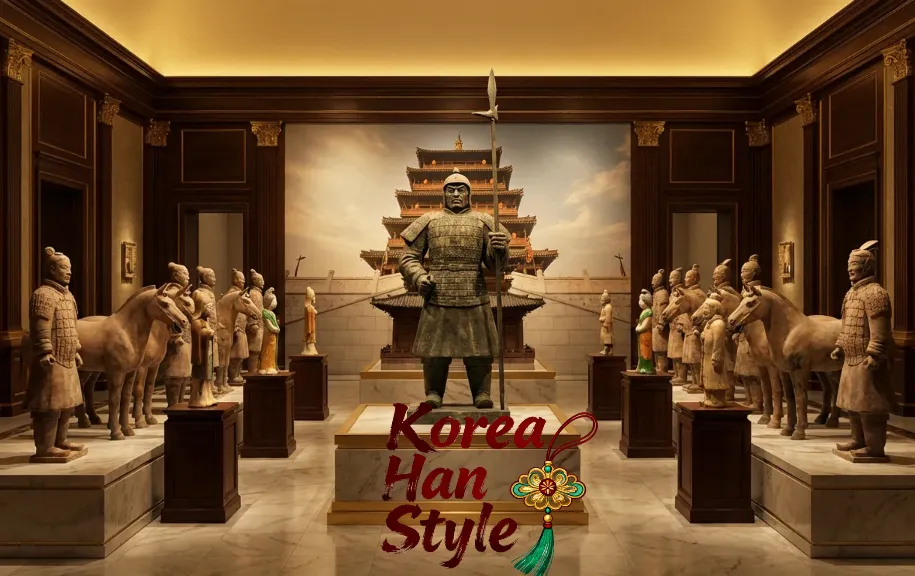
Han Dynasty heritage, (206 BC – 220 AD) is one of the most influential periods in Chinese history. This dynasty is celebrated not only for its political and economic stability but also for its cultural and national heritage, which continues to leave a lasting mark today. The legacy of the Han is evident in art, technology, governance systems, and philosophies that form the foundation of modern China.
Organized Bureaucratic System
One of the most significant legacies of the Han Dynasty is its organized bureaucratic system. The Han introduced civil service examinations based on merit rather than lineage. This system allowed talented individuals from various social backgrounds to occupy important positions in government. The transition from feudal rule to merit-based bureaucracy laid a crucial foundation for Chinese administration that lasted for centuries. This achievement demonstrates that innovations in governance are not only about efficiency but also about creating sustainable social fairness.
Rich Art and Culture
Beyond politics, the Han Dynasty left a rich artistic and cultural heritage. Han art is renowned for its intricate stone reliefs, exquisite pottery, and murals depicting everyday life. The shift from simpler artistic forms of previous eras to more realistic creations illustrates significant cultural progress. Literature and historical writing also flourished, exemplified by monumental works such as Shiji by Sima Qian, which became an essential historical reference for future generations. The transition from oral traditions to written records strengthened Chinese cultural identity and highlighted the importance of documentation and knowledge preservation. Ancient Chinese culture.
Advances in Technology and Science
Another remarkable legacy is the advancement of technology and science. The Han Dynasty developed innovations such as paper, early compasses, and efficient agricultural and irrigation techniques. The invention of paper, for instance, laid the groundwork for widespread literacy and education, not only in China but eventually across the world via the Silk Road. This technological progress demonstrates how practical innovations can strengthen both the economy and social foundations of a civilization.
Confucian Philosophical Values
Equally noteworthy, the Han Dynasty emphasized Confucian philosophical values, which influenced social order, education, and moral conduct. These values stressed loyalty, respect for elders, and integrity, principles that have been passed down through generations. The transition of these philosophical ideals from theory to social practice illustrates how philosophy can deeply shape national identity.
Conclusion: A Living Legacy
Overall, the national heritage of the Han Dynasty is not limited to physical artifacts but also includes social systems, culture, technology, and philosophy that laid the foundation of Chinese civilization. Through art, technology, and moral values, the influence of the Han continues to thrive, offering valuable lessons on the importance of innovation, fair governance, and cultural preservation. Exploring the legacy of the Han Dynasty means understanding the historical roots that shaped the identity and pride of China today. Han Dynasty art and technology.

Leave a Reply