
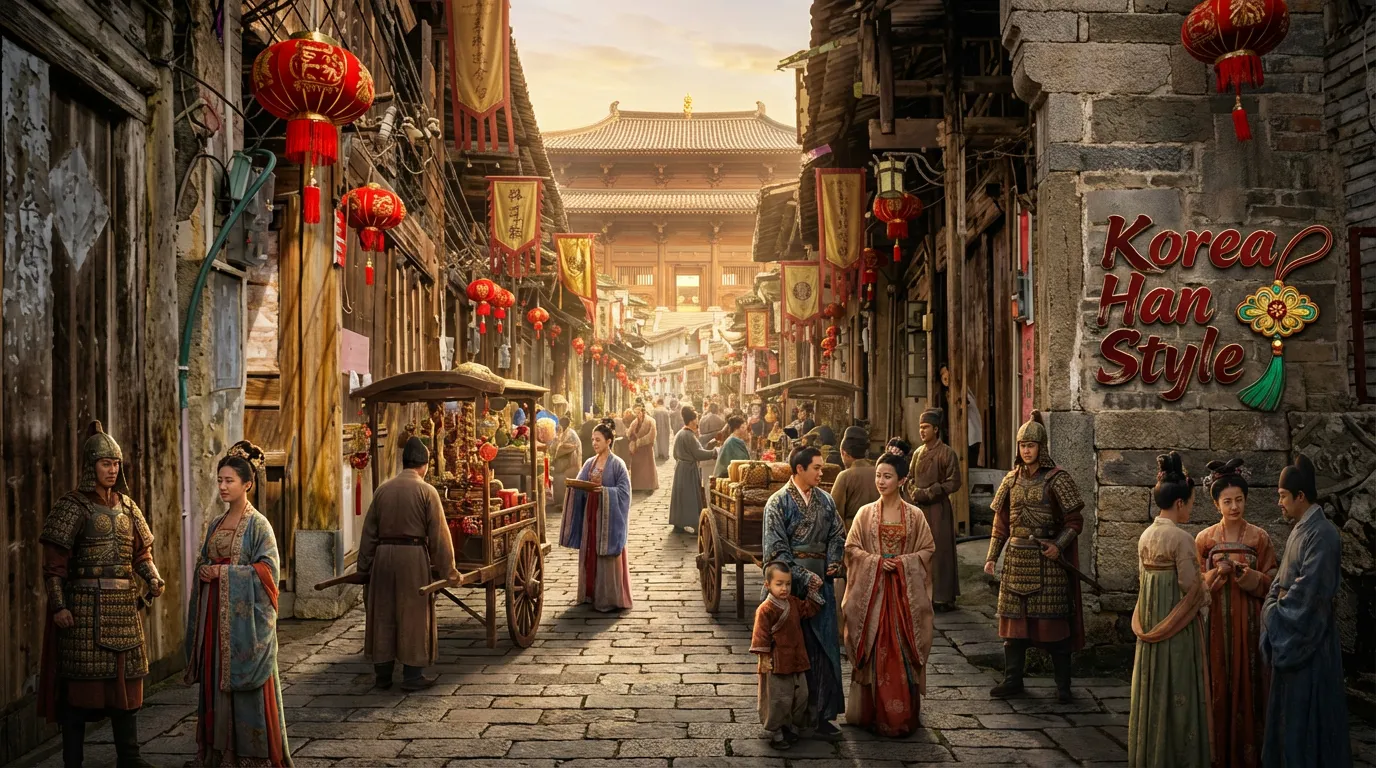
Han Dynasty Traditional Villages, One of the most fascinating aspects of these villages was their emphasis on craftsmanship and agriculture. Residents actively engaged in farming, producing rice, wheat, and millet to sustain their communities. At the same time, artisans honed skills in pottery, bronze casting, silk weaving, and lacquer work. Markets within the villages offered a space for trading goods, promoting both economic growth and cultural exchange. Such markets became social centers where villagers gathered, exchanged stories, and participated in festivals, ensuring that cultural traditions were passed down through generations.
Common Crafts and Agricultural Products in Han Villages
| Category | Examples | Purpose/Use |
|---|---|---|
| Agriculture | Rice, wheat, millet | Food supply and trade |
| Textile & Silk | Silk weaving, dyeing | Clothing and trade commodity |
| Metalwork | Bronze tools, weapons | Practical use and ceremonial items |
| Pottery & Lacquer | Bowls, jars, decorative items | Daily use and cultural expression |
Education, Festivals, and Social Life
Education and moral values were central to life in these villages. The Han Dynasty emphasized Confucian teachings, which guided social conduct, family relationships, and community ethics. Schools often existed within or near villages, teaching children calligraphy, poetry, and moral philosophy. This focus on education fostered literacy and a shared cultural identity, which united villagers across regions and strengthened societal cohesion.
Furthermore, traditional festivals and rituals played a vital role in shaping the daily rhythm of village life. Seasonal ceremonies, ancestor worship, and harvest festivals were celebrated with music, dance, and elaborate feasts. These events were not only expressions of cultural heritage but also opportunities for villagers to strengthen social bonds and collective identity.
Governance and Strategic Role
The strategic location of these villages allowed them to serve as centers of defense and administration. The Han Dynasty implemented local governance systems where village leaders maintained order, collected taxes, and enforced imperial policies. This structure ensured that the cultural and administrative life of the dynasty remained connected, even in remote rural areas.
Legacy of Han Dynasty Villages
Today, exploring the concept of traditional culture villages from the Han Dynasty offers invaluable insights into early Chinese civilization. These villages were living embodiments of tradition, craftsmanship, education, and community values, reflecting the ingenuity and social harmony of the era. By studying their structures, practices, and social systems, modern scholars and enthusiasts can better understand the foundations of Chinese culture and appreciate the timeless legacy of the Han Dynasty. Han Dynasty culture.
In conclusion, traditional culture villages were more than simple settlements; they were the heart of Han society. From architecture and craftsmanship to education and festivals, these villages nurtured cultural identity and social cohesion. Understanding their significance allows us to celebrate a remarkable chapter in human history, where community life, creativity, and tradition flourished under the enduring influence of the Han Dynasty.

Leave a Reply