
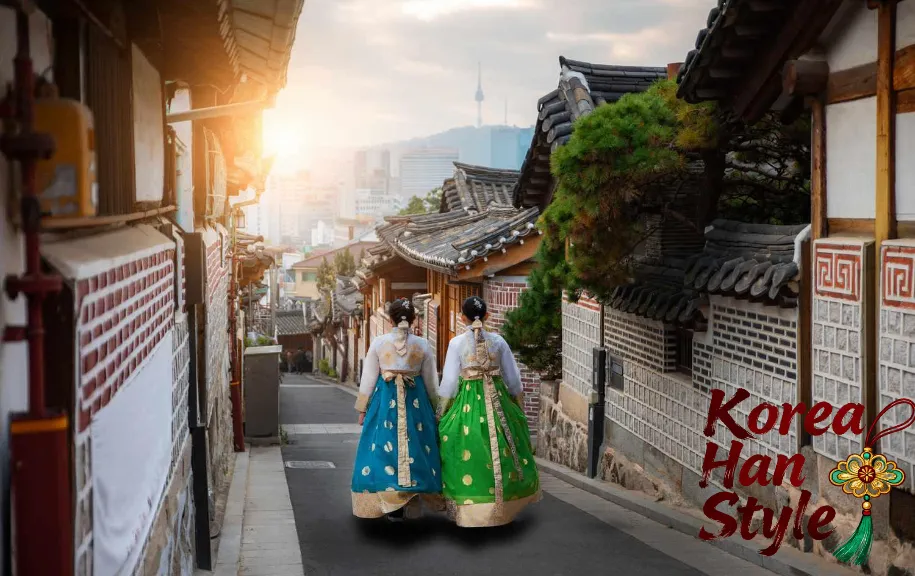
Hanok culture, the traditional Korean house, boasts a fascinating and philosophical history. Although the Han Dynasty originated in China (206 BC–220 AD), its influence reached ancient Korea, shaping architecture, spatial planning, and lifestyle philosophies that inspired the early concept of Hanok. These traditional homes do more than provide shelter they reflect social values, cultural identity, and humanity’s relationship with nature.
Harmony with Nature as a Core Principle
Hanok stands out for its harmonious integration with nature. This philosophy aligns with Confucianism, which flourished during the Han Dynasty. Architects designed Hanok based on cardinal directions, terrain, and natural light. As a result, residents enjoy a comfortable living environment while maintaining a deep connection with the surrounding landscape.
Flexible and Functional House Design
Hanok also shines through its flexible and functional design. Builders used sturdy wooden frames, curved roofs, and the ondol floor heating system. Ondol distributes heat evenly in winter, while natural ventilation keeps interiors cool in summer. This innovation demonstrates advanced technical skills long before modern heating and cooling technologies existed.
Reflection of Social Structure in the Han Dynasty
Hanok mirrors the social hierarchy of the Han Dynasty era. Noble residences typically featured multiple separate buildings such as living rooms, kitchens, and bedrooms arranged according to specific rules. Commoners’ homes were simpler but still adhered to orientation and harmony principles. This pattern shows that architecture expressed not only aesthetics but also social values and spiritual principles.Traditional Korean houses.
A Living Heritage Today
Over time, Hanok remains a symbol of Korean culture, rich in philosophy and tradition. Many traditional houses survive as cultural heritage sites, allowing modern generations to experience a lifestyle that respects nature and ancestral values. Hanok design continues to inspire contemporary architecture, particularly in energy efficiency and sustainable living.
Conclusion: Hanok as a Source of Inspiration
Hanok culture from the Han Dynasty embodies life philosophy, technical innovation, and social values. These traditional houses teach humans how to coexist harmoniously with nature. Studying Hanok allows us to honor tradition, embrace environmental balance, and draw inspiration for sustainable architecture in the future. Hanok architecture.

Leave a Reply