
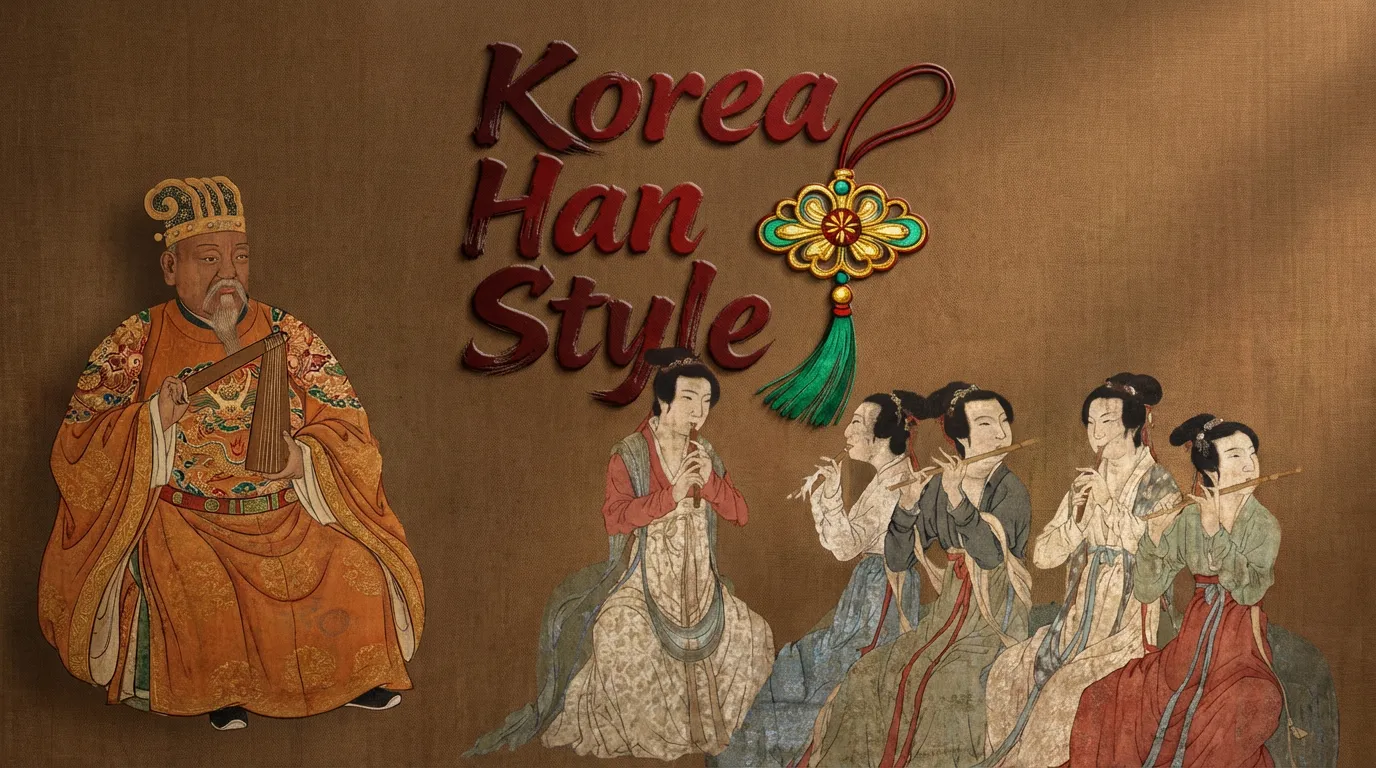
Hanji in the Han Dynasty, or traditional Chinese paper, during the Han Dynasty revolutionized communication, education, and administration in ancient China. Unlike earlier writing materials such as bamboo slips and silk, hanji provided a lightweight, durable, and versatile medium that facilitated the rapid spread of knowledge and culture. This innovation reshaped the Han Dynasty and left an enduring legacy that influenced civilizations worldwide.
The Origins of Hanji
Before hanji, scholars relied heavily on bamboo strips, which proved cumbersome and expensive. Silk, while smooth and elegant, remained prohibitively costly for widespread use. Recognizing the need for a practical medium, Cai Lun, an innovative court official during the Eastern Han period (25–220 CE), experimented with plant fibers, rags, and fishing nets.
His process included:
- Breaking down fibers
- Boiling and pulping materials
- Pressing fibers into thin, durable sheets
This invention offered a lightweight, strong, and accessible material, making writing easier than ever.
Hanji’s Role in Governance
Hanji transformed administration in the Han Dynasty by simplifying record-keeping and communication across the vast empire. Officials relied on paper for:
- Legal documents and tax records
- Official decrees and correspondence
- Archiving historical events
With hanji, government operations became more efficient and standardized, enabling better governance and centralized control. Ancient Chinese paper.
Education and Cultural Influence
In education, scholars embraced hanji to compile classic texts and philosophical treatises. This shift led to:
- Higher literacy rates among elites
- Preservation of Chinese literature
- Easier dissemination of knowledge
Hanji also nurtured the arts. Calligraphers flourished because paper provided an ideal surface for brush and ink, supporting fluid and precise writing styles.
Hanji in Arts and Printing
Artists and writers experimented with paper texture and absorbency, which resulted in:
- Innovative calligraphy styles
- Early forms of printed books
- Wider distribution of texts and ideas
Paper became not just a tool for writing but also a medium for creativity, enriching Chinese culture.
Global Spread and Legacy
Hanji eventually influenced international trade and cultural exchange. Along the Silk Road, Chinese merchants introduced paper to neighboring regions. Scholars in Korea, Japan, and Central Asia adopted hanji, integrating it into local traditions.
- Facilitated administration abroad
- Promoted educational development
- Influenced artistic expression globally
The global spread of paper catalyzed human progress far beyond China’s borders, leaving a long-lasting impact on civilization.
Conclusion
Paper culture in ancient China, Hanji was more than a simple invention during the Han Dynasty; it became a cornerstone of Chinese civilization. By replacing cumbersome and costly materials, hanji democratized knowledge, improved governance, and nurtured artistic innovation. Its creation showcased Han-era ingenuity and established a foundation for cultural continuity that influenced the world for centuries. Today, the legacy of hanji remains visible in traditional crafts, calligraphy, and paper-based knowledge, underscoring its enduring significance in human history.

Leave a Reply