
The Han Dynasty, (206 BCE – 220 CE) stands as one of the most influential periods in Chinese history, shaping the political, social, and economic systems that lasted for centuries. Central to its success was the organization of labor and government service, which not only supported the empire’s stability but also created a lasting legacy of bureaucratic work structures.
Foundations of Han Labor Systems
From the very beginning, the Han Dynasty prioritized structured labor. Farmers, artisans, and laborers formed the backbone of the empire, supplying food, goods, and infrastructure. The state mandated public works, including roads, canals, and the expansion of the Great Wall, which required the mobilization of thousands of workers.
Unlike earlier periods, the Han government implemented more organized labor allocation, ensuring that both peasants and craftsmen contributed effectively. Taxes often took the form of labor or goods, binding everyday work to the needs of the empire. This system reinforced social hierarchies while ensuring that essential projects were completed efficiently.
The Rise of the Civil Service
Perhaps the most remarkable innovation of the Han Dynasty was the formalization of bureaucratic work. The dynasty expanded the civil service, introducing examinations and merit-based appointments that allowed educated officials to manage provinces, collect taxes, and oversee public works.
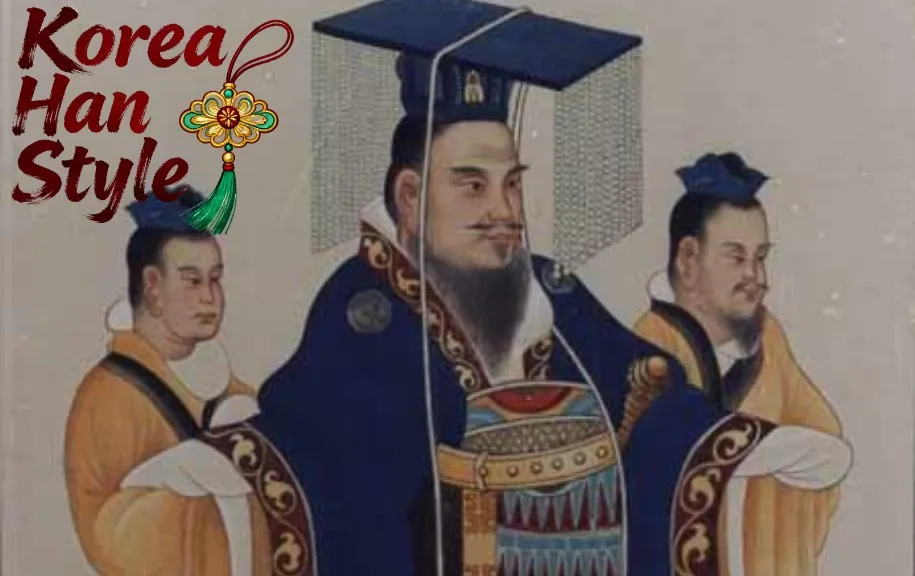
This bureaucratic system professionalized government work, replacing arbitrary appointments with roles based on knowledge and competence. Officials became responsible for maintaining records, enforcing laws, and ensuring that imperial policies reached even the most remote regions. By integrating Confucian ideals, the Han Dynasty emphasized that government work was a moral duty, not just a position of power. Han Dynasty bureaucracy.
Public Works and Economic Contribution
Han Dynasty projects were monumental. Roads, bridges, and canals connected regions, enabling trade and military movement. The state also sponsored irrigation systems and granaries, which stabilized agriculture and safeguarded food supplies. These large-scale projects required coordinated labor, from conscripted peasants to skilled artisans.
Moreover, the government encouraged specialized crafts and industries, such as silk weaving, bronze casting, and pottery. Workers in these sectors contributed not only to the economy but also to the cultural prestige of the dynasty, as Han products became highly valued across Asia.
Legacy of Work in the Han Dynasty
The Han Dynasty demonstrated the power of organized labor and bureaucratic work. By structuring public projects, formalizing civil service, and valuing merit, the dynasty set a model that influenced later dynasties and even modern governance. The integration of labor with social hierarchy, economic needs, and moral philosophy created a system where work was both practical and symbolic.

Leave a Reply