
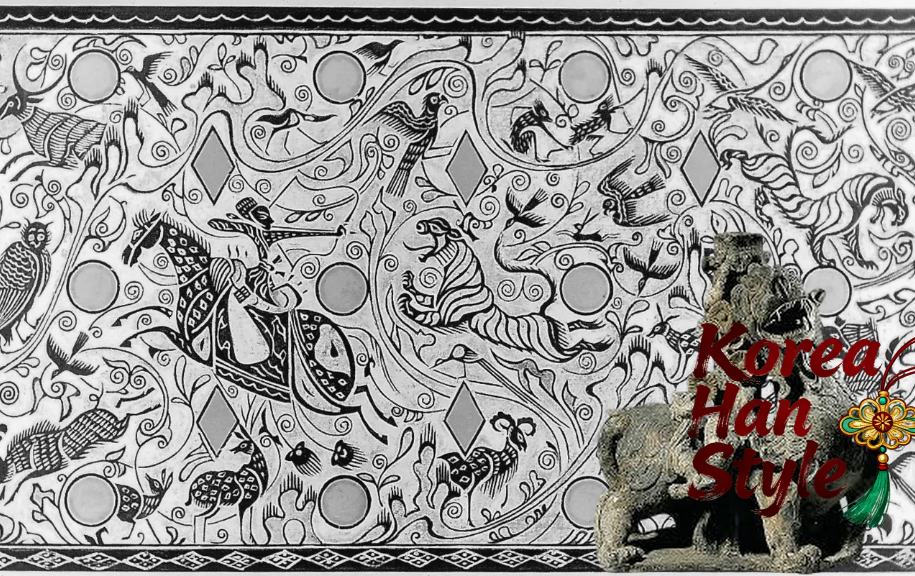
Connection to Nature and Daily Life
The Han Dynasty (206 BCE – 220 CE) marked one of the most influential periods in Chinese history, both politically and artistically. During this era, painters transformed painting into a sophisticated form of expression, reflecting cultural values, social hierarchy, and philosophical beliefs. Han Dynasty art, connected strongly to nature and daily life, depicting landscapes, animals, and human activities with careful observation and precise detail. Unlike later dynasties that favored abstract styles, Han painters emphasized realism and narrative clarity. Viewers could relate directly to the scenes, whether artists illustrated agricultural work, hunting, or ceremonial rituals.
Mastery of Brushwork Techniques
Han painters also mastered brushwork techniques to convey both precision and expression. They used fine lines to define figures and objects, combined with softer washes to create depth and atmosphere. This balance of line and wash brought scenes to life, making them appear dynamic rather than static. Artists applied shading and contouring subtly, demonstrating their understanding of volume and perspective long before Western art formalized these concepts.
Symbolism in Han Painting
Symbolism played a central role in Han art. Artists often included dragons, phoenixes, and other mythological creatures to symbolize power, prosperity, and divine protection. They arranged human figures in hierarchical compositions to reflect Confucian ideals of social order. By combining symbolism with realism, Han painters created works that appealed visually and conveyed deep meaning, bridging aesthetics and philosophy.
Diverse Mediums and Surfaces
Han artists explored diverse mediums and surfaces. They favored silk scrolls, which provided smooth surfaces for intricate details and vibrant colors. Tomb murals served both decorative and spiritual purposes, depicting funerary processions, celestial beings, or the soul’s journey, reflecting the Han belief in life after death. Artists strategically placed color, line, and composition to create a clear visual hierarchy and narrative flow. Han Dynasty brush techniques.
Enduring Legacy of Han Dynasty Painting
Han Dynasty painting continues to influence contemporary art. Later Chinese dynasties and modern painters worldwide adopted techniques pioneered during this era, such as brush control, line variation, and the integration of symbolism. The harmony of realism, narrative, color, and line demonstrates the cultural resonance embedded in every brushstroke, establishing Han painting as a timeless treasure.
Conclusion: Timeless Beauty and Cultural Significance
Han painters defined their era with realism, strong narratives, expressive brushwork, and rich symbolism. Studying their techniques, subject matter, and philosophical underpinnings helps us appreciate how these works transcended mere decoration to reflect Han society profoundly. As both artistic and cultural heritage, Han Dynasty painting, continues to captivate historians, artists, and enthusiasts exploring the intersection of history and visual creativity.

Leave a Reply