
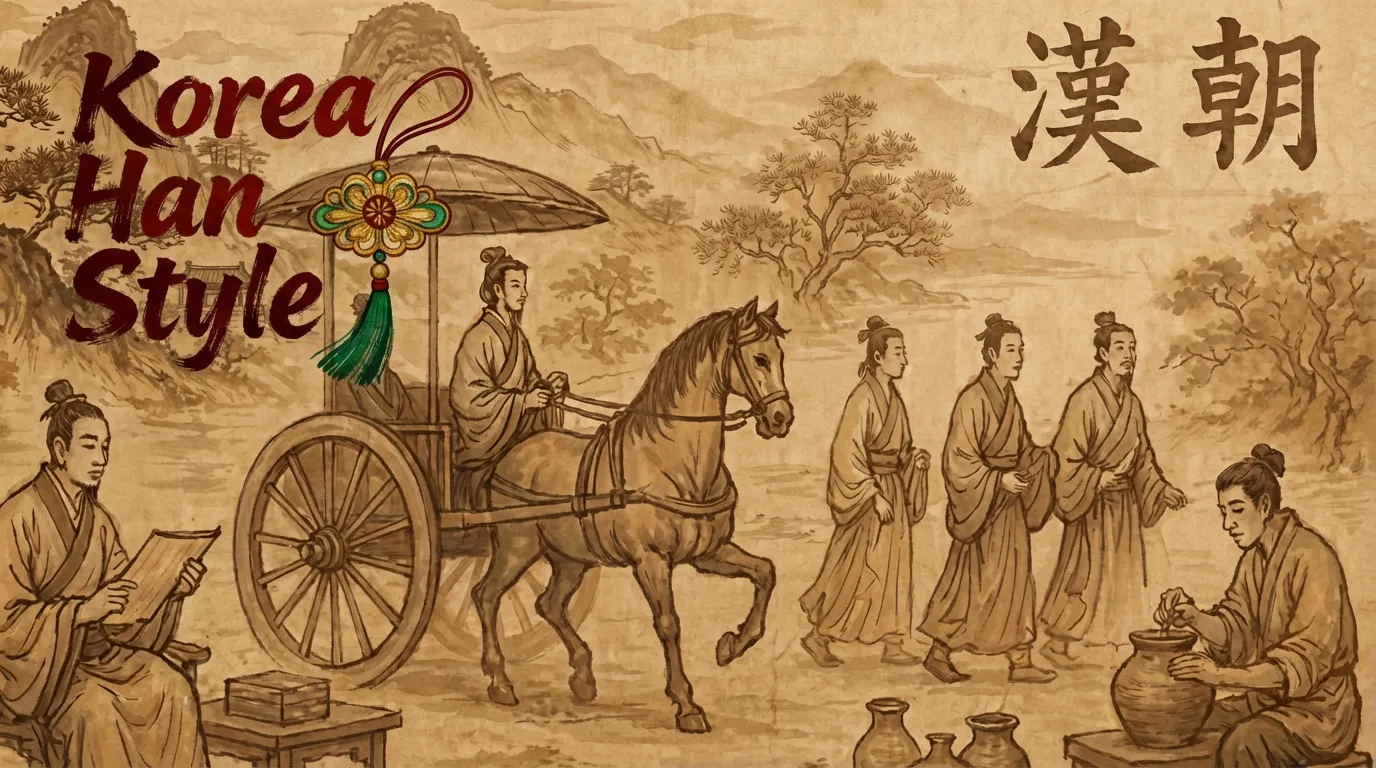
Han Dynasty daily life, (206 BCE – 220 CE) stands as one of the most influential periods in Chinese history, renowned for its advancements in governance, culture, and daily life. While much attention is given to its political and technological achievements, the everyday lives of ordinary people what they ate, wore, and how they lived offer a fascinating window into this era.
Food: The Foundation of Life
In Han China, agriculture formed the backbone of sustenance. Rice dominated in the south, while wheat and millet were staples in the north. Families cultivated their own crops, supplemented by fishing, hunting, and animal husbandry, which provided meat, eggs, and dairy. Seasonal vegetables, fruits, and soy-based products enriched the diet, ensuring both nutrition and flavor.
Food preparation reflected social hierarchy. The wealthy enjoyed elaborate meals with multiple courses, often featuring pork, beef, and exotic spices, while commoners relied on simpler fare such as porridge and steamed buns. Notably, fermentation techniques led to the production of soy sauce and pickled vegetables, staples that remain integral to Chinese cuisine today. These culinary practices not only nourished the body but also strengthened community ties, as families often shared meals during festivals and communal gatherings.
Clothing: A Reflection of Status
Han Dynasty clothing symbolized both identity and social rank. Silk, introduced earlier but perfected during the Han era, became a hallmark of elegance and wealth. Nobles and government officials often wore intricately embroidered silk robes, dyed in vibrant colors like crimson and jade green, while peasants wore practical garments made from hemp and cotton, designed for durability rather than luxury.
The emphasis on clothing extended beyond mere fashion. Specific garments, accessories, and colors indicated a person’s social class, occupation, and even moral standing. For instance, officials donned wide-sleeved robes and hats with decorative knots, whereas soldiers and farmers favored functional tunics and trousers suited for labor. Over time, Han clothing styles influenced neighboring regions, spreading Chinese aesthetics across Asia.
Shelter: From Simple Homes to Grand Estates
Housing in the Han Dynasty ranged from modest cottages to grandiose estates, reflecting wealth and social hierarchy. Commoners typically resided in single-story houses with wooden frames, clay walls, and thatched roofs, designed to provide basic shelter and protection from the elements. These homes often featured a central courtyard, which facilitated cooking, socializing, and small-scale farming.
In contrast, the elite enjoyed luxurious multi-story residences, adorned with intricate carvings and tiled roofs. Some estates included gardens, ponds, and private halls for entertaining guests. Regardless of status, homes were built with practicality in mind, responding to the climate and resources available, showcasing the ingenuity of Han-era architecture.
Conclusion: The Essence of Daily Life
The Han Dynasty’s approach to food, clothing, and shelter illustrates a society deeply attuned to nature, social structure, and cultural values. Meals reflected agricultural abundance and social connection, clothing conveyed identity and status, and shelters balanced practicality with aesthetic expression. By exploring these facets of daily life, we gain a richer understanding of how ordinary people navigated their world, bridging the past to present traditions still cherished in modern China.

Leave a Reply