
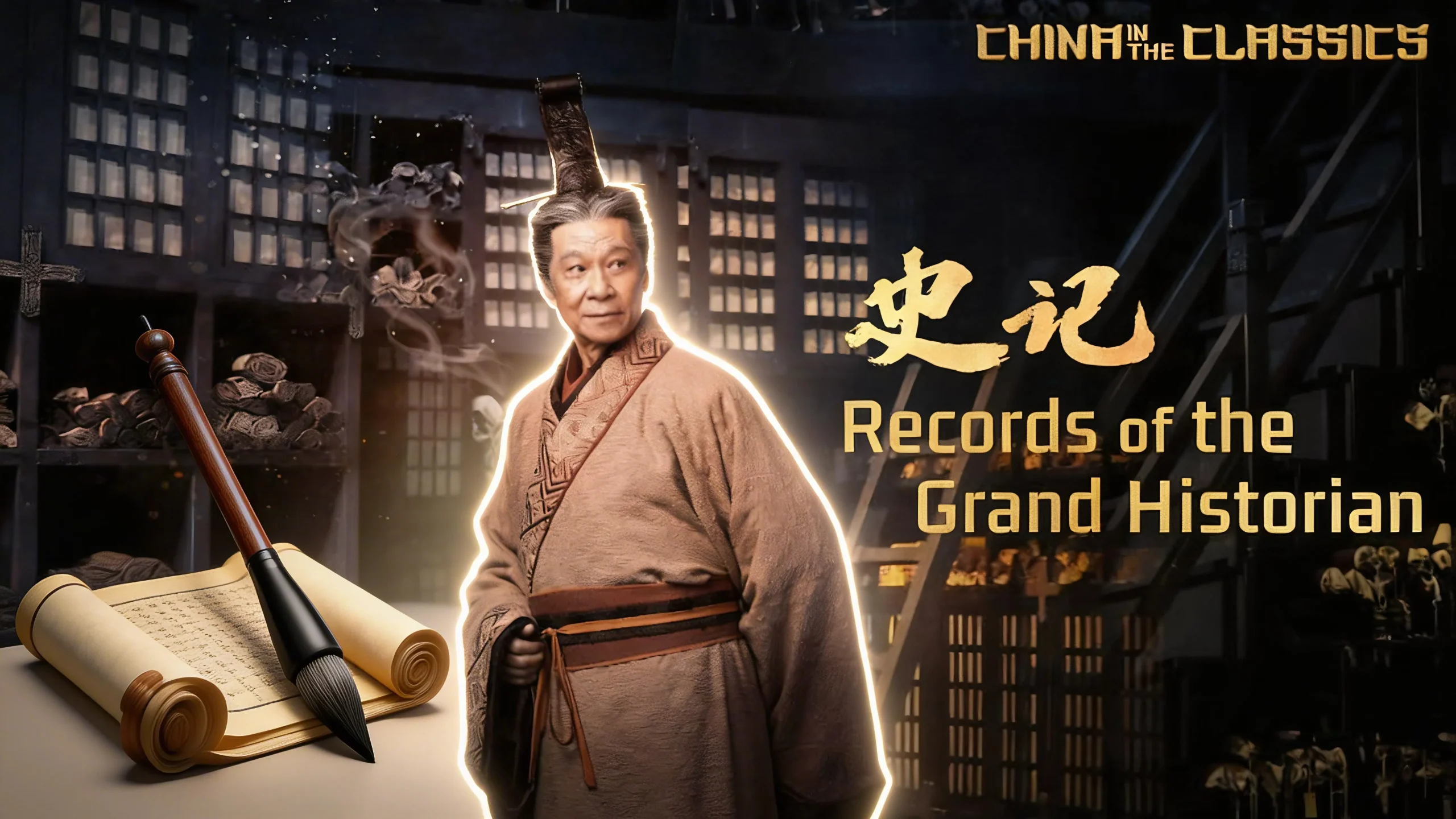
Introduction: A Masterpiece of Historical Writing
In the world of literature and history, few works shine as brightly as A The Shiji by Sima Qian. Compiled by Sima Qian, a towering historian of ancient China, this monumental text revolutionized how historians documented events. Written during the Han Dynasty, The Shiji set the standard for Chinese historiography and influenced generations of scholars. Its blend of narrative flair and meticulous research continues to captivate readers and academics worldwide.
Sima Qian: The Historian Behind the Work
Sima Qian approached history with unwavering dedication. He traveled across China, interviewed witnesses, and examined official records to ensure accuracy. His commitment went beyond mere chronicling—he sought to capture the essence of human experience, politics, and culture. Unlike many historians of his era, Sima Qian infused his writing with vivid storytelling, creating biographies that read almost like literary works while maintaining historical rigor.
Structure and Style of The Shiji
The Shiji contains 130 chapters organized into five sections: Basic Annals, Tables, Treatises, Hereditary Houses, and Biographies. This structure allowed Sima Qian to present information systematically while providing rich narratives about emperors, generals, philosophers, and ordinary citizens. He combined chronological events with thematic explorations, giving readers both a timeline of history and insights into societal norms, beliefs, and conflicts. Transitions between sections guide readers smoothly from dynastic overviews to personal biographies, creating a holistic understanding of Chinese civilization.
Innovation in Historical Writing
Sima Qian transformed historical writing by emphasizing both factual accuracy and narrative appeal. He avoided dry, monotonous lists of events, instead portraying historical figures as multidimensional characters with virtues, flaws, and ambitions. This method made history relatable and engaging. Furthermore, he established principles of sourcing, critical evaluation, and cross-referencing that scholars still recognize today. The Shiji became a template for later Chinese historians, inspiring works such as the Book of Han (Han Shu) and influencing literary traditions across East Asia.
Cultural and Scholarly Impact
The influence of The Shiji extends far beyond history textbooks. Writers, poets, and philosophers referenced Sima Qian’s work for moral lessons, character studies, and reflections on leadership. Historians praise his courage in recording controversial events, including the rise and fall of powerful figures. By blending historical accuracy with literary elegance, The Shiji bridges the gap between literature and history, demonstrating that the study of the past can inform and enrich contemporary culture. Records of the Grand Historian.
Conclusion: A Legacy That Endures
The Shiji by Sima Qian remains a cornerstone of Chinese literature and history. Its innovative structure, active narrative style, and meticulous attention to detail set a high standard that continues to inspire historians worldwide. Reading The Shiji offers more than knowledge of the past; it provides timeless insights into human nature, leadership, and societal evolution. As both a literary masterpiece and historical guide, it exemplifies how one work can shape centuries of scholarship and cultural understanding.

Leave a Reply