
Introduction
Han Dynasty Industry, one of the most transformative periods in ancient Chinese history. During this era, industries expanded quickly and strengthened the economy. Strong governance, technological innovation, and improved infrastructure accelerated production across multiple sectors. As a result, the Han period shaped long-term economic development and established foundations for future growth.
Political Stability Drives Economic Expansion
The Han government created stable political conditions that encouraged productivity. Leaders implemented structured policies that supported farmers, artisans, and merchants. Clear regulations improved trade efficiency and reduced internal conflict. Consequently, businesses operated with greater confidence and consistency.
In addition, the government invested in roads, canals, and transportation systems. These improvements connected cities and rural areas. Traders moved goods faster, and markets expanded across regions. Because of this network, industrial output increased and supply chains strengthened.
Iron and Steel Industry Advances Rapidly
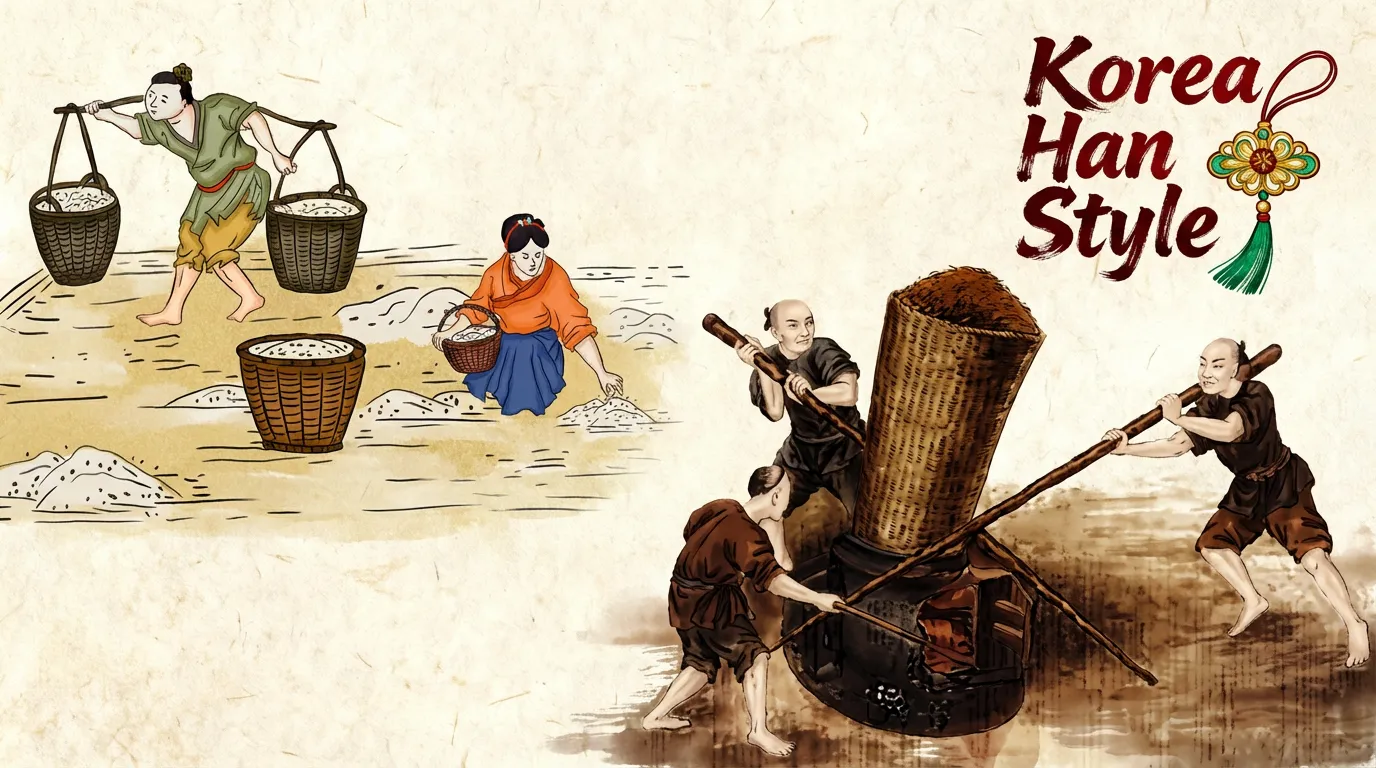
The iron industry grew into one of the strongest sectors of the Han economy. Technological improvements enhanced smelting methods and increased production capacity. Craftsmen produced durable tools that improved agriculture and construction.
Farmers used iron plows, which helped them cultivate larger areas of land. Better tools increased harvest yields and supported population growth. Meanwhile, the military relied on stronger weapons made from refined metal. Therefore, the iron industry supported both economic stability and national defense.
Furthermore, state-managed iron production centers improved efficiency. Standardized techniques reduced waste and raised quality. These advancements positioned the Han Dynasty as a leader in metallurgical innovation.
Textile Production and Silk Trade Expansion
The textile industry also expanded significantly during this time. Artisans produced high-quality silk that gained demand both domestically and internationally. Silk became one of the most valuable trade goods in ancient markets.
Trade routes connected China with Central Asia, the Middle East, and Europe through the Silk Road. Merchants transported silk along this route and exchanged it for goods such as spices, precious metals, and glassware. As trade intensified, economic interaction between civilizations increased.
Because silk generated high profits, production centers grew in size and importance. Families specialized in weaving, dyeing, and fabric finishing. This specialization improved quality and strengthened industrial organization.
Technological Innovation Supports Productivity
Innovation played a key role in industrial growth. Engineers and craftsmen refined tools and production techniques. They improved measurement systems and enhanced manufacturing precision. These developments increased efficiency across different industries.
Additionally, advancements in paper production and other crafts supported communication and administration. Improved documentation helped the government manage resources effectively. As industries modernized, productivity continued to rise.
Economic and Social Impact
Industrial expansion reshaped society. Urban centers grew as trade and manufacturing expanded. Merchants gained influence and contributed to market development. Economic activity created new job opportunities for skilled workers.
Rising production improved living standards for many communities. Increased trade strengthened regional connections and encouraged cultural exchange. Therefore, industrial growth influenced not only the economy but also social structure and daily life. Industrial Growth in the Han Dynasty.
Conclusion
The Han Dynasty achieved remarkable industrial progress through innovation, stability, and strategic infrastructure investment. The iron and textile industries led economic development and supported domestic needs as well as international trade. Through active governance and technological advancement, the Han period built a powerful industrial system. Han Dynasty Industry.
This rapid growth established long-lasting eco

Leave a Reply