
The Han Dynasty, (206 BCE–220 CE) shaped Chinese civilization through innovation, stability, and cultural growth. During this era, people built their lives around three essential needs: food, clothing, and shelter. These elements did more than support survival; they reflected social status, economic progress, and technological advancement. By examining daily life in the Han Dynasty, we can understand how society organized itself and how people adapted to their environment.
Food: Agriculture as the Heart of Society
Agriculture drove the Han economy. Farmers cultivated wheat in the north and rice in the south, depending on regional climate conditions. Because the government valued farming, officials supported irrigation projects, expanded farmland, and promoted improved tools. As a result, crop production increased and supported a growing population.
In addition, farmers raised livestock such as pigs, chickens, and cattle. These animals provided meat, labor, and fertilizer. Families often preserved food through drying, salting, and fermenting. Consequently, they secured supplies for winter months and harsh seasons.
Trade also influenced diets. The Silk Road opened exchange routes that introduced new foods and spices. Merchants transported goods across long distances, which enriched local markets. Therefore, food culture expanded beyond simple grains and vegetables, especially in urban centers.
Clothing: Fabric, Status, and Identity
Clothing during the Han Dynasty revealed social hierarchy. People wore garments made primarily from silk, hemp, and cotton. Wealthy families chose silk because it felt smooth and displayed prestige. Meanwhile, commoners relied on hemp or other affordable materials.
Design also mattered. Men typically wore long robes with wide sleeves, while women wore layered dresses with elegant draping. Officials displayed their rank through specific colors and styles. Through these visual distinctions, society communicated order and respect for authority.
Furthermore, textile production advanced significantly. Workers used improved looms and weaving techniques. The state encouraged silk production because silk became a valuable export. As trade expanded, silk strengthened China’s economic influence. Thus, clothing connected daily life to international commerce.
Shelter: Homes That Reflected Lifestyle and Class
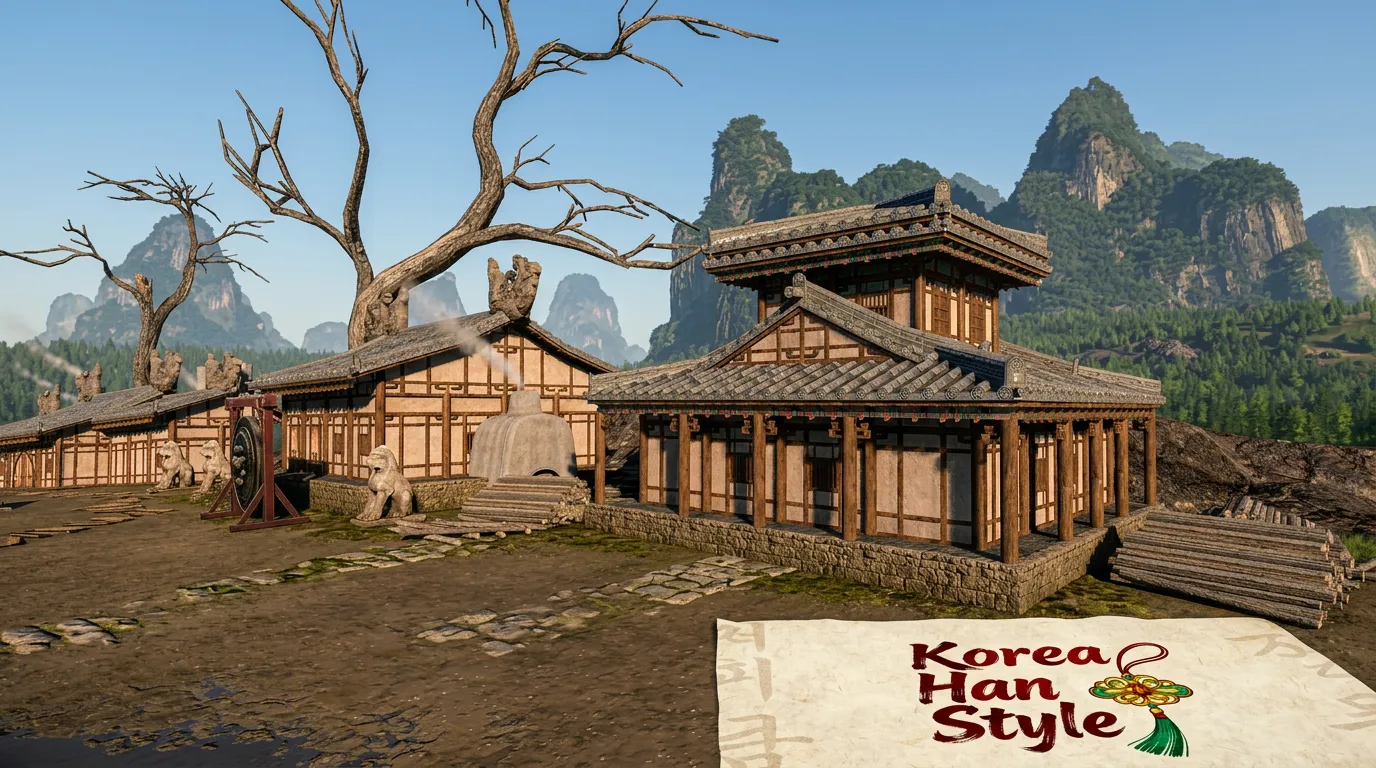
Housing varied based on geography and wealth. In rural areas, families built simple homes using wood, mud bricks, and thatched roofs. These structures provided protection from weather while remaining affordable. Farmers often designed homes with central courtyards, which allowed ventilation and space for family activities.
In contrast, wealthy families lived in larger compounds. Their homes included multiple rooms, decorative features, and storage areas. Some residences contained tiled roofs and stone foundations for durability. Because status mattered in Han society, architecture displayed power and prosperity.
Cities such as Chang’an featured organized street plans and administrative buildings. Government officials managed urban development to maintain order and security. As a result, shelters in urban areas reflected structured planning and political control.
The Connection Between Basic Needs and Social Stability
Food, clothing, and shelter did more than meet physical needs. Together, they supported economic growth and cultural development. When agriculture flourished, families enjoyed stability. When textile production expanded, trade networks strengthened. When housing improved, communities gained safety and organization.
Moreover, the government played a central role in maintaining these systems. Policies encouraged farming, regulated markets, and promoted craftsmanship. Consequently, the Han Dynasty sustained long-term prosperity and unity.
Conclusion
Shelter in the Han Dynasty, The Han Dynasty created a foundation that influenced future generations. Through advances in agriculture, textile production, and architecture, society met essential needs while encouraging innovation. Food sustained the population, clothing expressed identity and trade power, and shelter reflected both comfort and social structure. Together, these three pillars shaped daily life and helped the Han Dynasty become one of the most influential periods in Chinese history.

Leave a Reply