
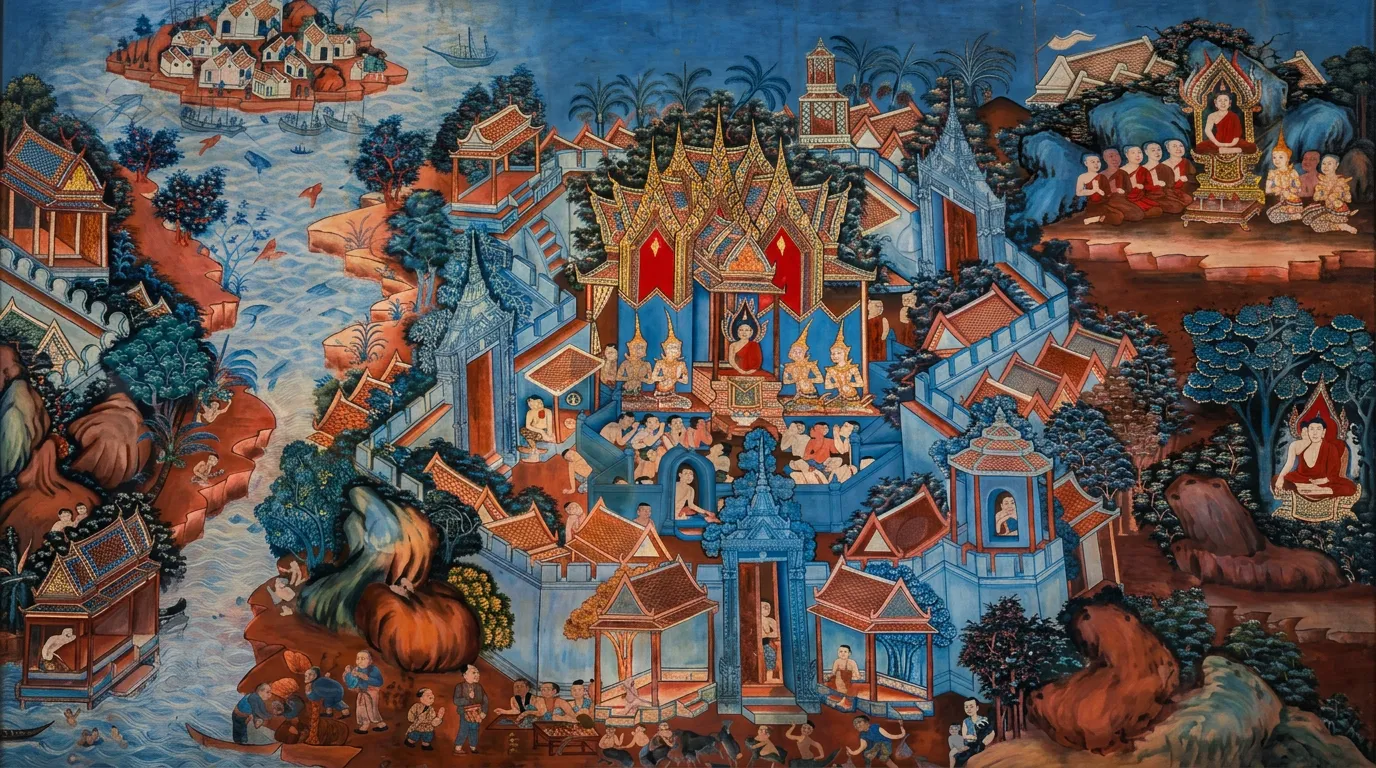
Introduction to the Han Dynasty Art Movement
The Han Dynasty, (206 BCE–220 CE) shaped Chinese civilization in politics, culture, and visual arts. Artists during this period created a strong artistic identity that influenced generations. They developed clear visual principles, balanced compositions, and meaningful symbolism. These elements later supported the growth of traditional ink and watercolor-style painting in China.
Core Characteristics of Han Dynasty Art
Artists in the Han Dynasty focused on structure, symbolism, and storytelling. They used strong, confident lines to define figures, animals, and daily life scenes. This line-based approach formed the backbone of Chinese visual art. In addition, artists applied natural colors such as earth tones, black, white, and muted greens to create harmony.
Rather than adding excessive decoration, artists emphasized clarity and balance. They arranged elements carefully to guide the viewer’s attention. This method created visual stability and strengthened the message of each artwork. As a result, Han art developed a refined and disciplined aesthetic.
Connection to Watercolor Techniques
Han artists worked with ink and mineral pigments mixed with water. They controlled brush movement with precision and intention. This technique encouraged fluidity and softness in visual expression. Over time, these methods influenced the development of Chinese watercolor painting and ink wash traditions.
Water-based media allowed artists to create gentle gradients and transparent effects. These qualities later became essential in traditional watercolor styles. Although modern watercolor tools did not exist during the Han Dynasty, the artistic foundation clearly supported similar visual principles.
Furthermore, artists valued negative space. They intentionally left areas unpainted to create balance and rhythm. This design choice enhanced composition and added elegance to artworks. Watercolor painting later adopted this concept to highlight lightness and spatial harmony.
Themes and Symbolism in Han Art
Han artists explored themes related to nature, mythology, daily life, and spiritual beliefs. They illustrated human interaction with the natural world. Confucian and Taoist philosophies shaped these themes and encouraged harmony, order, and balance.
Artists presented these ideas through murals, tomb paintings, textiles, and ceramics. Each artwork carried cultural meaning and reflected social values. Because of this approach, art during the Han Dynasty served both decorative and educational purposes.
Influence on Later Artistic Development
The artistic principles formed during the Han Dynasty influenced future Chinese painting traditions. Later dynasties refined brush techniques and expanded color usage. However, they continued to respect line quality, composition balance, and expressive simplicity.
Traditional Chinese painting, especially ink and watercolor styles, grew directly from these early foundations. Artists maintained control of the brush and focused on harmony between ink, water, and paper. This continuity demonstrates the long-term impact of Han aesthetics on visual culture.
Conclusion
The art style of the Han Dynasty, established essential principles in Chinese art history. Artists emphasized strong lines, natural colors, symbolic themes, and balanced composition. These features created a visual language that later supported the rise of watercolor painting traditions.

Leave a Reply