
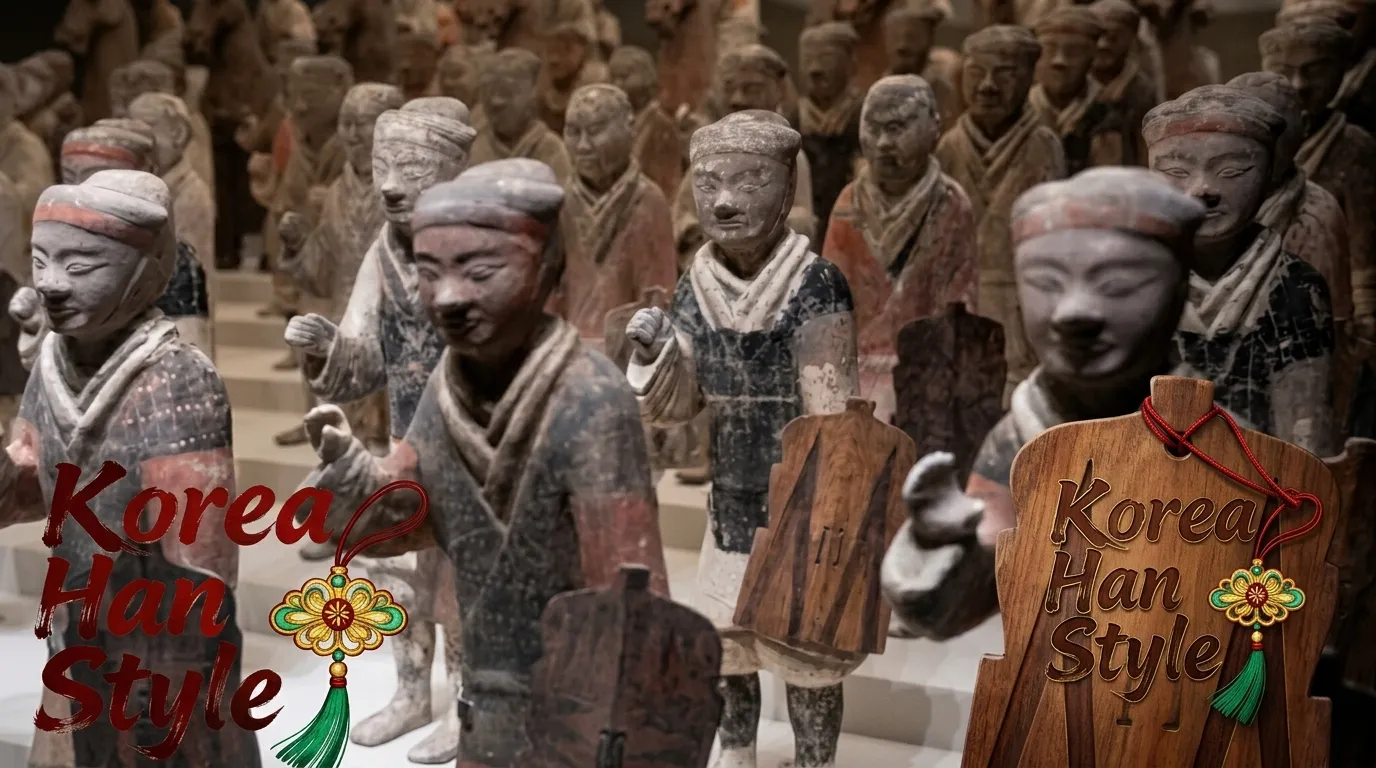
Han Dynasty natural heritage, (206 BCE – 220 CE) marked a period of political stability, economic growth, and cultural brilliance in China. During this era, rulers and scholars actively valued the natural world, creating practices and knowledge that form today’s understanding of natural heritage. They managed forests, rivers, mountains, and wildlife while documenting the environment, ensuring resources remained abundant for future generations.
Embracing Nature in Daily Life
The Han Dynasty emphasized harmony between humans and nature, influenced by Confucian and Daoist philosophies. Emperors encouraged sustainable use of resources. Forests served multiple purposes: providing timber, preventing soil erosion, and protecting water sources. These measures reflect the dynasty’s recognition of ecological balance and the practical benefits of environmental stewardship.
Agricultural Innovations and Resource Management
Han farmers applied advanced irrigation and terracing techniques to expand arable land while preserving natural waterways. They rotated crops and used organic fertilizers to maintain soil fertility. The dynasty integrated careful environmental management into agriculture, enabling consistent harvests and protecting the land. These strategies highlight the Han commitment to preserving the natural environment as an essential part of society.
Documenting Flora, Fauna, and Natural Phenomena
Han scholars actively observed and recorded nature. Figures like Zhang Heng and Ban Zhao documented astronomy, meteorology, and geography. The “Huainanzi” and other encyclopedic texts described plants, animals, and natural landscapes in detail. Herbal medicine compendiums cataloged hundreds of plants, connecting human health to biodiversity. These efforts ensured that knowledge of the natural world reached future generations and guided sustainable practices.
Cultural and Spiritual Connections to Nature
Nature served as a source of inspiration and spiritual meaning. Mountains and rivers received sacred recognition, and emperors promoted the maintenance of natural sites for ceremonies and rituals. Han gardens and parks mirrored natural landscapes, offering spaces for reflection and artistic expression. These cultural practices integrated natural heritage into daily life, demonstrating a deep appreciation for environmental beauty and spiritual significance.
Legacy and Influence
The Han Dynasty shaped future approaches to conservation and natural heritage in China. Its practices in sustainable agriculture, environmental documentation, and cultural reverence influenced later dynasties. Modern scholars and environmentalists draw lessons from Han-era policies, recognizing the dynasty as an early example of ecological management. The natural heritage from this period continues to inspire appreciation and careful stewardship of the environment.
Conclusion
The Han Dynasty showcased a society where humans actively interacted with nature. Through sustainable farming, detailed documentation of the environment, and integration of natural beauty into cultural and spiritual life, the dynasty established a lasting legacy. Han-era practices highlight the value of protecting natural heritage, reminding modern societies that careful stewardship and appreciation of the environment remain essential for long-term prosperity.

Leave a Reply