
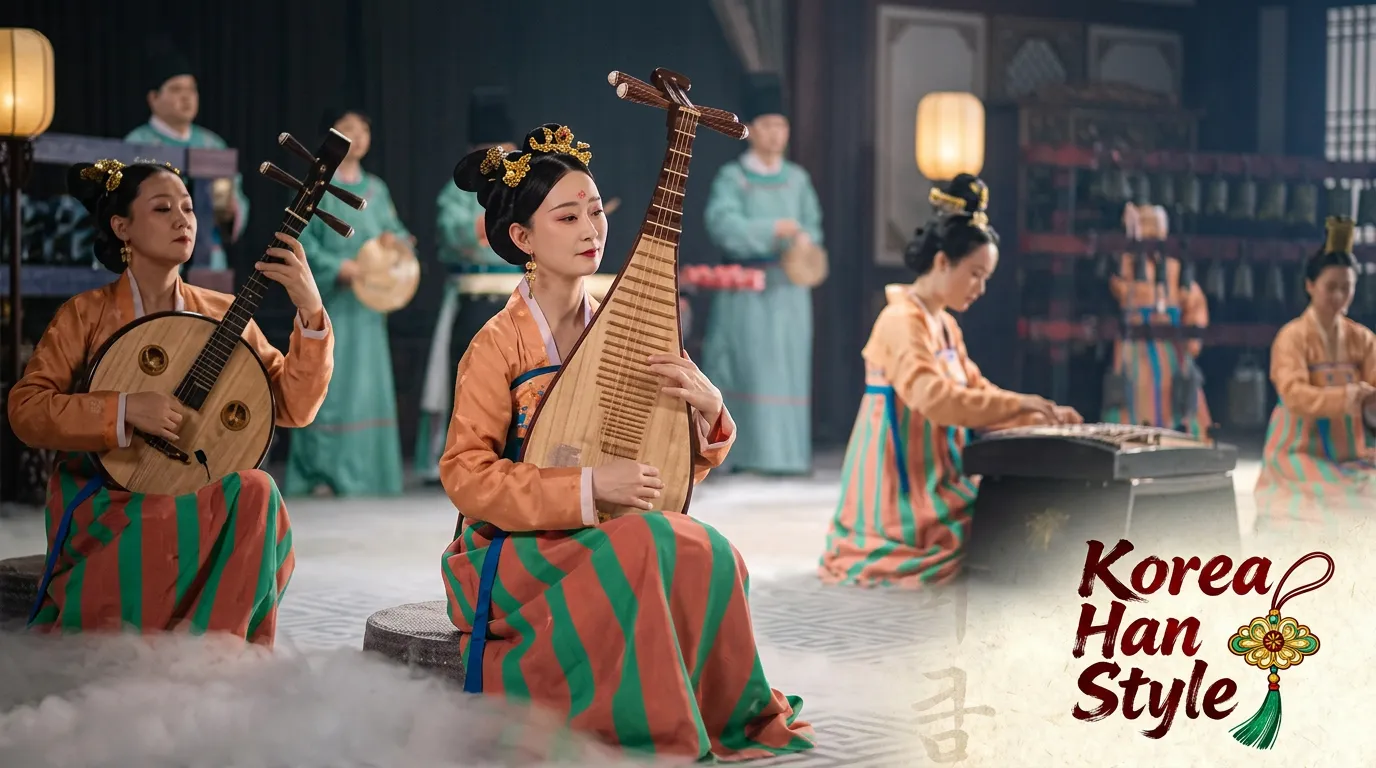
Introduction to Qit’a Music Tradition
Music Qit’a in the Han Dynasty, developed as an essential part of cultural life in ancient China. Musicians used Qit’a-style string instruments to create refined melodies that shaped court rituals, education, and social values. This musical tradition influenced both the imperial court and everyday life, and it reflected the philosophical ideals of harmony and balance. Music Qit’a in the Han Dynasty
Role of Music in Han Society
Music held a strong position in Han society. The imperial court used music to strengthen authority and express political stability. The emperor encouraged musicians to perform during ceremonies, celebrations, and religious rituals. Court officials believed music could shape moral behavior and support good governance.
Common people also enjoyed music in daily life. They listened to performances during festivals and social gatherings. Music helped people express emotions, share stories, and build community bonds. Because of this wide influence, music became more than entertainment—it became a cultural foundation.
Characteristics of Qit’a Music Style
Qit’a music featured soft, deep, and emotional tones. Musicians focused on string instruments similar to the guqin, which produced calm and flowing sounds. These instruments suited meditation and reflection.
Performers did not only play notes. They expressed inner feelings and personal understanding of nature. They shaped melodies that reflected wind, water, mountains, and silence. This style encouraged listeners to think deeply and find peace within themselves.
Musicians trained with strong discipline. They studied rhythm, tone control, and emotional expression. They also learned philosophy to improve their artistic sensitivity. This combination of skill and thought created a unique musical identity.
Instruments and Musical Development
During the Han Dynasty, musicians expanded the use of string and wind instruments. They played guqin-like instruments for Qit’a music, while flutes and drums supported larger performances.
Musicians experimented with new techniques to improve sound quality. They adjusted string tension, plucking styles, and rhythm patterns. These innovations allowed music to become more expressive and dynamic.
Court musicians also followed strict musical systems. However, they still explored creativity within those rules. This balance between structure and innovation helped Qit’a music grow and evolve.
Philosophical Influence on Music
Confucian and Taoist ideas strongly shaped Qit’a music. Confucian philosophy encouraged order, discipline, and moral expression in music. Musicians used structured compositions to reflect social harmony.
Taoist philosophy inspired freedom and natural expression. Musicians followed natural rhythms and avoided excessive complexity. They believed true music should align with nature and human emotion.
Because of these philosophies, Qit’a music carried deep meaning beyond sound. It represented balance between society, nature, and the human spirit.
Cultural Importance and Legacy
Qit’a music played an important role in shaping Chinese cultural identity during the Han Dynasty. It supported education, refined court culture, and influenced later musical traditions.

Leave a Reply