
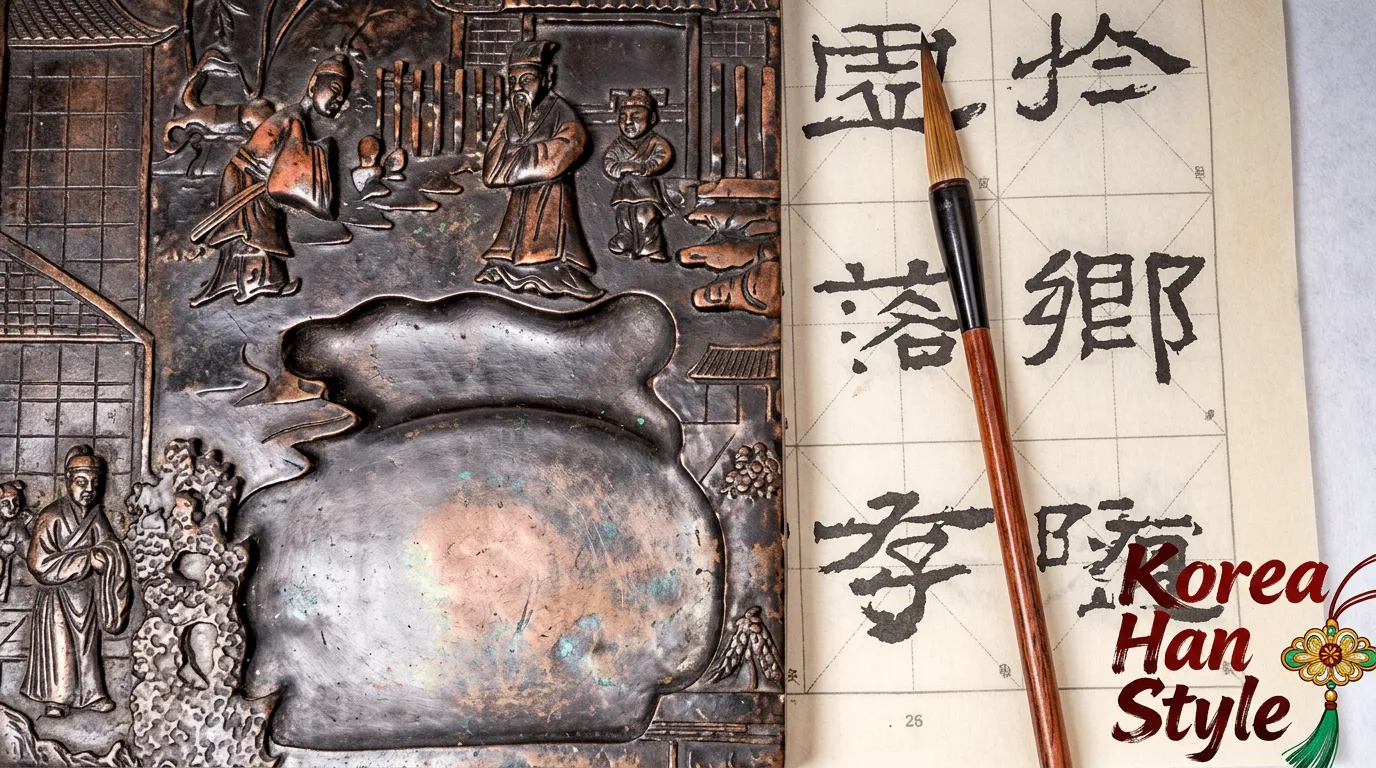
Han Dynasty Literature Overview
Historical Background
Han Dynasty Literature, (206 BCE–220 CE) shaped Chinese literature through strong state support and growing intellectual activity. Scholars actively wrote, debated, and taught ideas that guided governance and society. The court encouraged writing, so literature expanded quickly across political and cultural life.
State and Writing Growth
Han rulers promoted Confucian teachings and required scholars to study classical texts. Government institutions trained writers and historians to record events clearly. Officials produced documents that explained laws, policies, and moral values. This system pushed literature beyond storytelling and turned it into a tool for administration and education.
Historical Records Rise
Writers in the Han Dynasty developed strong historical writing traditions. Sima Qian created Shiji (Records of the Grand Historian) and changed how people recorded history. He described events with detail, explained causes, and analyzed outcomes. His work inspired later historians to write structured and meaningful historical accounts.
Confucian Influence
Confucian scholars shaped Han literature by writing commentaries on classical texts. They explained moral values such as loyalty, respect, and proper conduct. These scholars taught through writing and guided political decisions with ethical principles. Literature became a way to spread Confucian ideals across society.
Poetry Development
Han writers expanded poetry through a style called fu. They combined prose and poetry to describe cities, nature, and court life in detail. Poets used rich language to express admiration for the empire and its culture. This style encouraged creative expression while maintaining formal structure.
Language and Style Change
Writers during the Han Dynasty improved clarity in written Chinese. They used more structured sentences and focused on meaning rather than decoration. This shift made texts easier to understand and increased their educational value. Literature began to serve both artistic and practical purposes.
Technology and Spread
The invention of paper during the late Han period transformed writing practices. Scholars produced texts faster and shared knowledge more widely. Literacy increased among educated groups, and literature reached more regions. This innovation strengthened the growth of written culture.
Cultural Exchange Impact
Trade along the Silk Road introduced new ideas, stories, and beliefs. Writers absorbed these influences and added them to their works. This exchange expanded literary themes and encouraged broader thinking among Han scholars.
Lasting Legacy
Han Dynasty literature created a foundation for Chinese literary tradition. Historians, poets, and philosophers built systems that later dynasties followed. The combination of Confucian thought, historical writing, and poetic expression shaped East Asian literature for centuries.
Conclusion
Han Dynasty literature grew through active government support, strong philosophical guidance, and cultural innovation. Writers recorded history, expressed ideas, and shaped moral values with clarity and purpose. Their work transformed literature into a powerful tool that influenced education, politics, and culture for generations.

Leave a Reply