
Introduction
Chinese adaptation, After Buddhism entered China during the Han Dynasty, the religion did not remain in a simple introductory stage. Instead, Buddhism expanded through gradual adaptation, translation, and social acceptance. The late Han period created conditions that supported its deeper spread across Chinese society.
Expansion through Translation Work
Buddhism grew stronger when translators produced clearer Chinese versions of Buddhist scriptures. Monks from Central Asia and China collaborated to convert Sanskrit texts into Chinese language. They improved vocabulary and refined meanings so readers could understand complex ideas such as karma, rebirth, and enlightenment. Translation centers in cities like Luoyang became important hubs for religious knowledge.
Rise of Monastic Communities
Buddhist monks established organized communities that supported religious life and learning. These monasteries provided spaces for meditation, study, and teaching. Monks trained new followers and preserved translated scriptures. Over time, these institutions became stable centers of Buddhism and helped the religion spread beyond the capital into rural areas.
Influence on Chinese Society
Buddhism attracted many followers during periods of instability in the late Han society. Political conflict and social unrest encouraged people to seek spiritual comfort. Buddhist teachings about suffering and liberation offered emotional relief. Many individuals joined Buddhist practice because it provided hope for better rebirth and moral guidance in difficult times.
Interaction with Local Beliefs
Buddhism continued to interact with Daoist and Confucian traditions. Daoist concepts influenced Buddhist meditation styles and ritual practices. Confucian critics argued that Buddhist monks ignored family duties, but Buddhist communities responded by emphasizing respect for parents and moral conduct. This interaction created a gradual blending of ideas that made Buddhism more acceptable in Chinese culture.
Support from Elites and Rulers
Some members of the elite class began to show interest in Buddhist teachings. They sponsored monasteries, donated resources, and invited monks to court discussions. Although official state ideology still focused on Confucianism, elite support helped Buddhism gain prestige and visibility. This support also encouraged further translation and expansion activities.
Cultural Integration and Artistic Growth
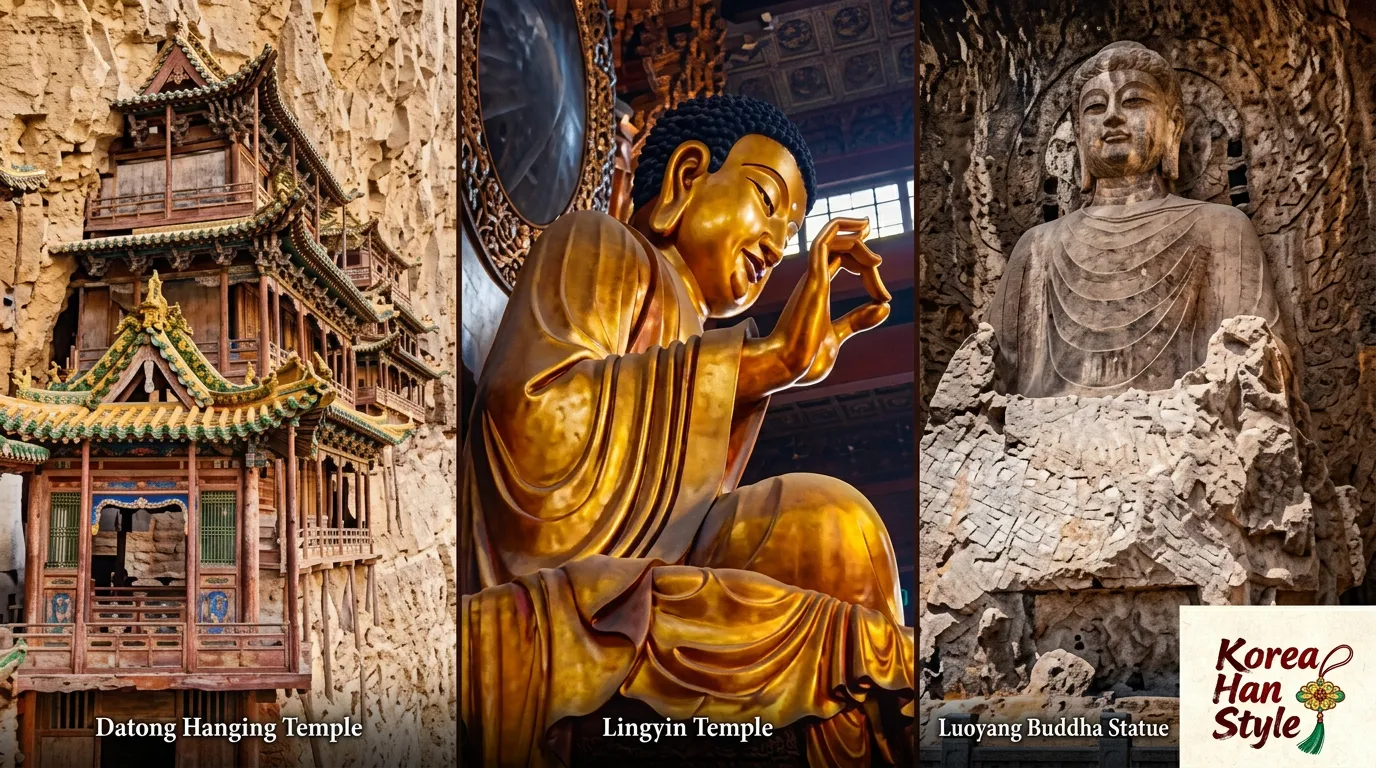
Buddhism influenced early Chinese art during the late Han period. Artists began to create images of the Buddha and scenes from Buddhist stories. These artworks appeared in carvings, paintings, and small statues. The visual representation of Buddhist ideas helped spread the religion to people who could not read scriptures.
Conclusion
After its arrival, Buddhism developed steadily through translation efforts, monastic organization, and cultural adaptation. Social instability and intellectual exchange helped the religion grow deeper roots in Chinese society. By the end of the Han Dynasty, Buddhism had transformed from a foreign belief into an emerging tradition that continued to expand in later dynasties.

Leave a Reply