
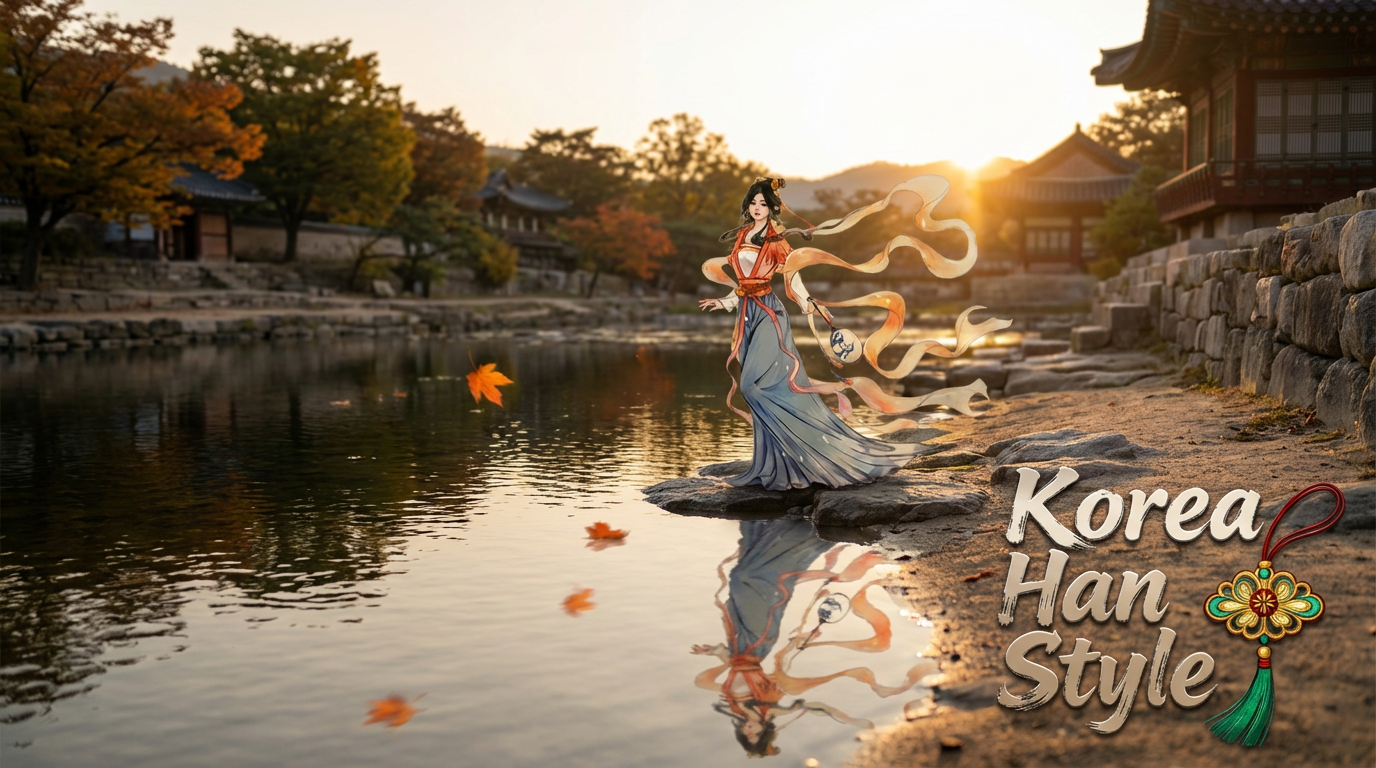
Korean traditional painting history, has a long history that emerged long before the classical Korean dynasties and was strongly influenced by the culture of China’s Han Dynasty following its major expansion into Northeast Asia. Although there was no independent “Korean Han Era” government, Korean painting began to develop during the establishment of the Han commandery of Lelang (108 BCE), which introduced Chinese artistic techniques, materials, and visual traditions to the Korean Peninsula. This influence became the foundation of Korean painting traditions, which later evolved into a distinctive style separate from their original sources.
Historical Background
Around 108 BCE, the Han Dynasty established a colonial administrative center in northwestern Korea known as Lelang (Nangnang). From this center, artistic techniques such as pigment production and principles of visual composition spread through trade and political interactions. These influences persisted and gradually blended with local traditions over thousands of years.
Early Korean painting is mainly observed through the Goguryeo tomb murals dating from the 4th to the 7th centuries CE. These murals depict deities, celestial elements, and everyday life. They reflect a combination of local cosmology and painting techniques introduced from northern regions.
Characteristics of Early Korean Painting
Unlike modern painting styles, classical Korean painting emphasized harmony with nature, the use of soft lines, and the avoidance of overly vivid colors in order to achieve visual balance. This aesthetic preference differed from some highly ornamental Chinese traditions, even though early Korean techniques were influenced by Han methods. Korean classical painting.
Below is a summary table of key features of traditional Korean painting influenced by early Han culture:
| Main Aspect | Description |
|---|---|
| Media | Mineral pigments and traditional ink on paper or silk |
| Early Themes | Cosmology, rituals, beliefs about life and death |
| Line Style | Soft, naturalistic, focused on harmony |
| Dominant Colors | Neutral and earth tones |
| External Influence | Han Chinese techniques combined with local Korean aesthetics |
| Early Examples | Goguryeo tomb murals |
| Development Period | Three Kingdoms period to Joseon Dynasty |
Development After Han Influence
Over time, Korean painting entered its own phase of independent development. The Joseon Dynasty (1392–1910) became a golden age for local painting traditions. Genres such as Minhwa (folk painting) and realistic landscape representations developed far beyond Han influences, integrating uniquely Korean aesthetics.
Strengths of Traditional Korean Painting
The strengths of traditional Korean painting lie in its powerful aesthetics and distinctive representational style. The following table highlights these advantages:
| Strength | Explanation |
|---|---|
| Harmony with nature | Emphasizes natural balance and realism |
| Refined line techniques | Prioritizes soft and expressive lines |
| Philosophical meaning | Many works contain Confucian and Buddhist symbolism |
| Strong cultural identity | Evolved into a unique Korean style despite foreign influences |
| Historical murals | Goguryeo tomb murals provide valuable visual historical records |
Weaknesses and Challenges
Not all aspects of traditional Korean painting developed without challenges. Some limitations include:
| Weakness | Explanation |
|---|---|
| Fragile materials | Many artworks were lost due to the deterioration of paper and silk |
| Limited early documentation | Difficult to identify early Han-period painters due to scarce records |
| Strong external influence | Chinese influence makes early local styles harder to distinguish |
| Unstable art market | Commercial value of classical works can fluctuate significantly |
Market Prices of Artworks and Reproductions
The price of traditional Korean artworks depends on age, condition, and rarity. Below is a general price range (based on Southeast Asian and European art markets) for classical Korean paintings and reproductions:
| Item Type | Market Price Range | Notes |
|---|---|---|
| Basic reproductions (prints) | $50 – $200 | Suitable for home decoration |
| Museum-quality reproductions | $200 – $800 | More accurate pigments and premium materials |
| Small original traditional paintings | $3,000 – $15,000 | Depends on authentication and age |
| Open murals or mural fragments | $10,000 – $50,000+ | Museum or collector items |
| Illustrated ancient scrolls/manuscripts | $20,000 – $100,000+ | Extremely rare on the public market |
These prices represent general estimates based on global art market practices and may change according to supply and demand.
Modern Korean Painting and Cultural Legacy
Early Han painting techniques combined with local development formed the aesthetic foundation that continues into the modern era. From the 18th to the 20th centuries, Korean painters such as Kim Hong-do and the Minhwa movement demonstrated the integration of traditional techniques with strong Korean cultural identity. Han Dynasty influence on Korean art.
Contemporary Korean painting has entered international galleries while maintaining traditional roots through its perspective on nature and harmony. This style continues to inspire modern artists, including those who explore new media while preserving historical connections.
Conclusion
The history of Korean painting, shaped by early Han Chinese cultural influence, evolved into a unique artistic tradition characterized by harmony with nature, refined line techniques, and strong visual identity. Although many early works were lost and documentation remains limited, this tradition continues to develop from Goguryeo tomb murals to folk painting and contemporary artworks that now hold a place in the global art market.

Leave a Reply