-

Introduction: The Majestic Setting of Mount Wuyi in the Han Dynasty
During the Han Dynasty, the Mount Wuyi Han Dynasty, region in southeastern China presented a powerful and untouched natural landscape. Thick forests covered the mountains, clear rivers carved through deep valleys, and mist often wrapped the peaks. People during that time viewed this area as both mysterious and sacred. The natural environment shaped daily life,…
-
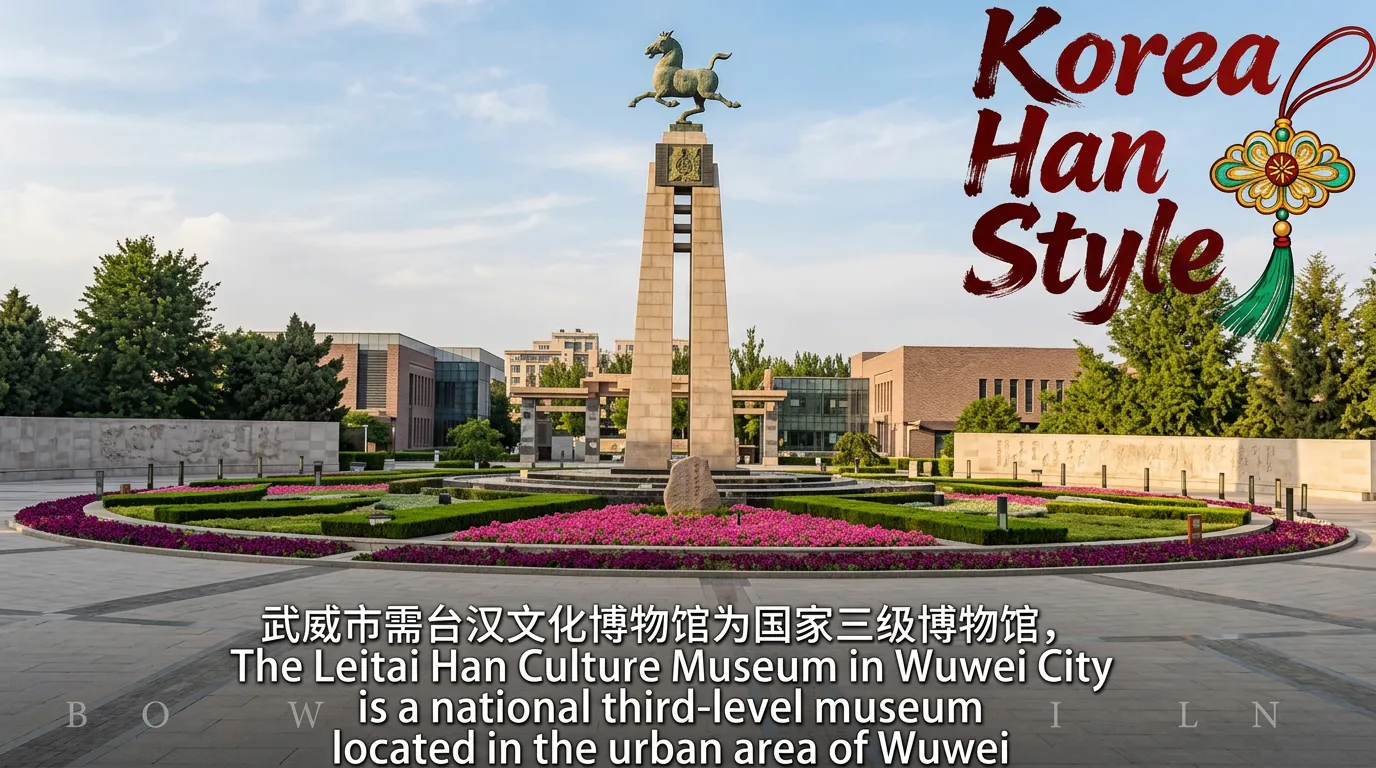
Rare Natural Heritage from the Han Dynasty
Han Dynasty natural heritage, (206 BC – 220 AD) left more than political and cultural marks; it also shaped unique natural heritage that remains hidden today. Archaeologists and historians rarely discover these treasures, making them some of the most fascinating and rare remnants of ancient China. Ancient Bamboo Forests for Paper Making Bamboo forests provided…
-

Natural Heritage During the Han Dynasty: Harmony Between Nature and Civilization
Natural heritage during the Han Dynasty, shaped the foundation of ancient Chinese civilization. From 206 BCE to 220 CE, this powerful dynasty strengthened political institutions, expanded trade networks, and nurtured a deep respect for the natural world. Leaders, scholars, and farmers recognized nature not as a resource to conquer, but as a partner that sustained…
-
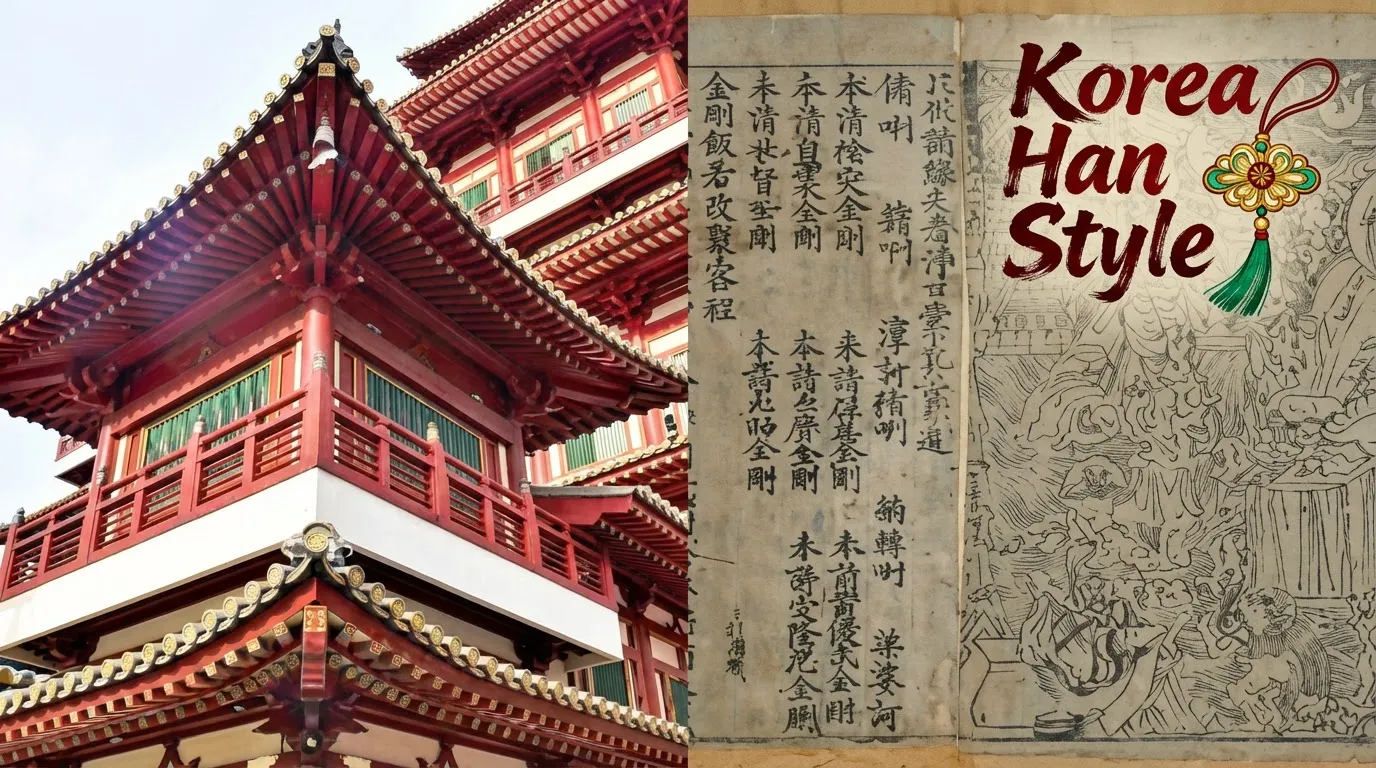
Natural Heritage During the Han Dynasty: Preserving China’s Ancient Treasures
The Han Dynasty, (206 BCE – 220 CE) marked one of China’s most prosperous and influential eras. Beyond political achievements and cultural advancements, the dynasty played a crucial role in shaping the country’s natural heritage. Forests, rivers, mountains, and wildlife were central to Han society, influencing agriculture, medicine, and daily life. Understanding how the Han…
Han Style | 전통문화종합정보
