
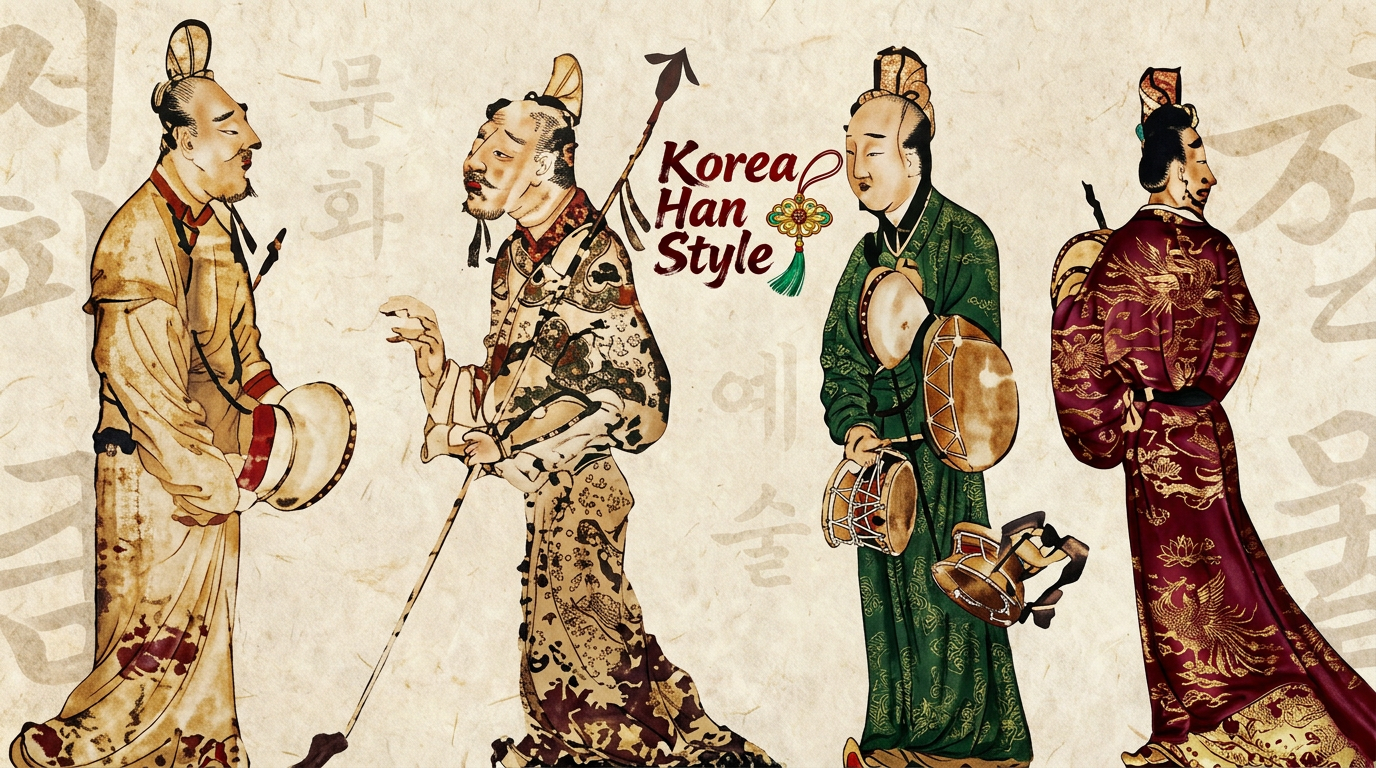
The Han Dynasty,(206 BCE – 220 CE) stands as one of the most influential periods in Chinese cultural history. Alongside advances in philosophy, literature, and technology, this era laid the foundation for complex visual arts. Among various art forms, abstract painting in the Han Dynasty reveals how human creativity exceeded literal representation and explored deeper, philosophical expression.
For centuries, painters focused on realism depicting landscapes, flora, fauna, and human figures. Yet, during the Han period, some works embraced abstraction. While less famous than Song Dynasty landscapes, Han abstract art communicates profound ideas through surprising visual approaches.
Visual Awareness: Abstraction Within Figurative Tradition
Han artists drew inspiration from both Daoism and Confucianism, which shaped their perception of the world—not only capturing appearances but expressing hidden meanings. Abstract painting often emerged to convey inner energy (qi) and cosmic structures through non-literal forms.
Motifs featuring sweeping, spontaneous lines appeared on silk panels and ceramic surfaces. These lines often avoided direct representation, creating dynamic visual rhythms. The ambiguous forms invited personal interpretation, allowing viewers to experience aesthetics deeply and individually.
Aesthetic Transition: From Representation to Expression
The shift from realism to abstraction evolved gradually. Han artists integrated calligraphy techniques, emphasizing spontaneous gestures and expressive brushwork. Calligraphy transformed into visual art, highlighting control, rhythm, and expressive movement rather than mere writing.
Artists then applied these principles to painting. Lines, shapes, and spatial arrangements gained independence from literal objects. Each element conveyed meaning, establishing the earliest foundations of abstract painting in Chinese art.
Philosophical and Spiritual Function
Han abstract painting also served philosophical purposes. Daoist beliefs, prominent at the time, maintained that reality cannot fully appear in literal forms. Reality flows constantly and resists concrete representation.
Artists reflected this concept in abstract works. Lines, curves, and patterns represented qi—the vital energy connecting all things. Painting became a tool for visual meditation, guiding viewers to deeper understanding of humanity’s relationship with the universe.
Han Abstract Art’s Legacy in Contemporary Practice
Although Han painting techniques did not reach the modern Western style of abstraction, they influenced later artists. Contemporary painters study Han motifs, rhythms, and visual philosophies to enrich their own creative expression.
Abstract painting in the Han Dynasty, demonstrates that humans long pursued artistic expression of inner experience and cosmic insight, transcending literal depictions. This ancient legacy continues to inspire, offering timeless lessons in visual innovation and philosophical depth.
Leave a Reply