
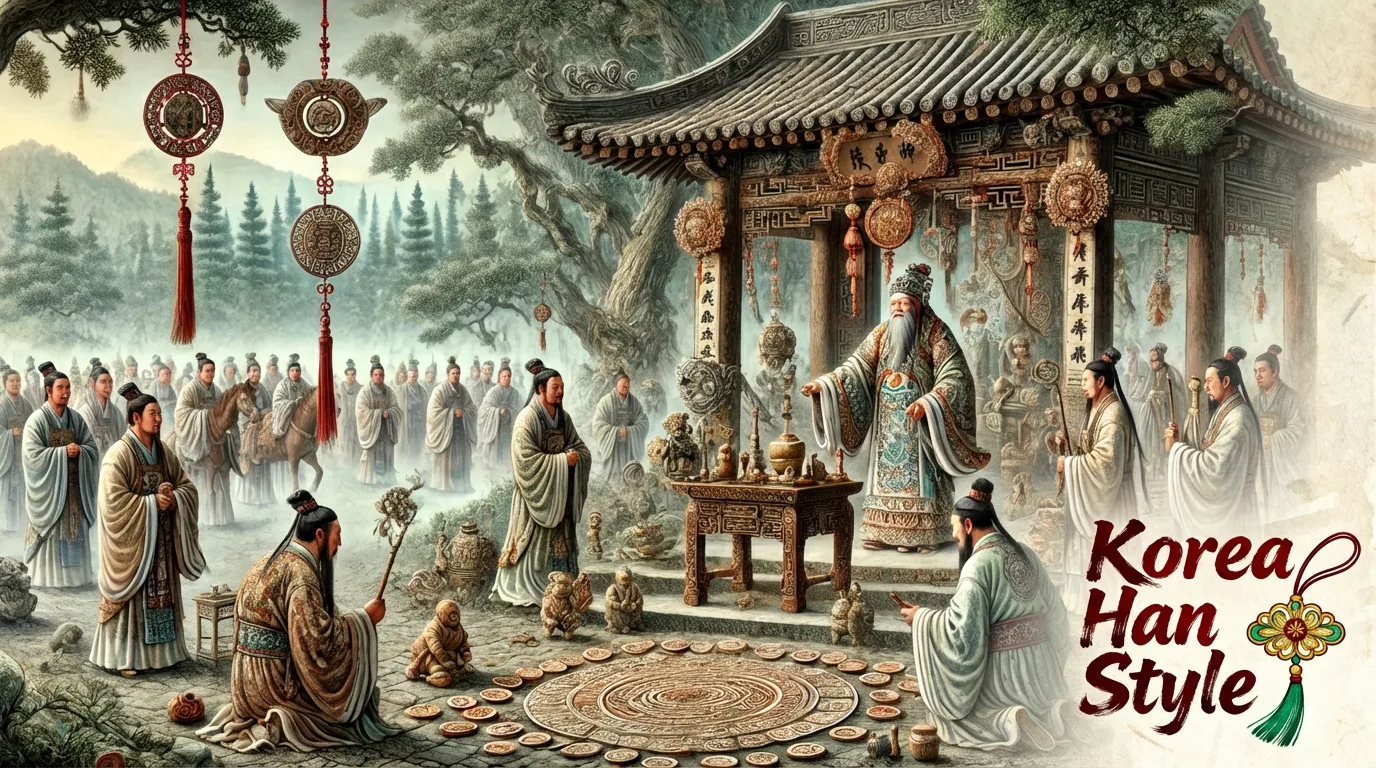
Character and virtue in the Han Dynasty, The study of character during the era of the Han Dynasty reveals more than cultural habits; it shows how values actively shaped governance, family life, and social ambition. People pursued moral discipline, intellectual growth, and loyalty as everyday goals. Moreover, rulers, scholars, and farmers alike aligned their behavior with shared ethical expectations. This dynamic moral framework defined identity and influenced decision-making across generations. By exploring these qualities, readers gain insight into how character guided one of history’s most influential civilizations.
Confucian Foundations of Personal Conduct
Moral philosophy played a central role in forming personality traits and expectations. Thinkers built ethical education around the teachings of Confucius, whose ideas encouraged respect, humility, and compassion. Rather than relying on abstract ideals, families taught children practical virtues such as filial piety and honesty. As a result, individuals evaluated themselves through daily actions.
Furthermore, schools emphasized memorization and reflection on the Analects, allowing students to internalize values. These lessons nurtured patience and empathy while strengthening social harmony. Consequently, people approached leadership, friendship, and business interactions with a moral mindset that prioritized balance over impulse.
Loyalty and Ambition in Governance
Political life demanded strong character, especially among officials who served the empire. Leaders promoted dedication, discipline, and responsibility as essential traits. During the reign of Emperor Wu of Han, the court expanded education systems and recruited talented administrators. This environment rewarded perseverance and intellectual curiosity.
At the same time, officials faced intense scrutiny. Communities admired integrity and condemned corruption. Therefore, scholars cultivated reputations for fairness and restraint. These expectations motivated individuals to refine their self-control, which in turn stabilized administration and strengthened public trust.
Social Interaction and Cultural Identity
Beyond politics, character traits influenced everyday relationships. Families valued respect between generations, while merchants built trust through reliability. In bustling centers such as Chang’an, citizens interacted with travelers and traders, shaping open-minded attitudes. Exposure to diverse customs encouraged adaptability and curiosity.
Additionally, expanding routes across Silk Road promoted cultural exchange. Merchants negotiated respectfully and demonstrated patience to secure long-term partnerships. Thus, social behavior reflected both inherited values and new influences, producing flexible yet principled personalities.
Enduring Influence on Cultural Legacy
Han Dynasty social values, Character ideals from this era continued to affect traditions long after political structures shifted. Communities passed down stories that celebrated honor, loyalty, and wisdom. Because individuals practiced these virtues consistently, they embedded ethical reflection into art, literature, and education.
Ultimately, the emphasis on active moral cultivation created a society that valued purposeful conduct. People shaped their destinies through conscious effort rather than passive acceptance. This proactive outlook explains why the legacy of character from ancient China still resonates in discussions about leadership and identity today.

Leave a Reply