
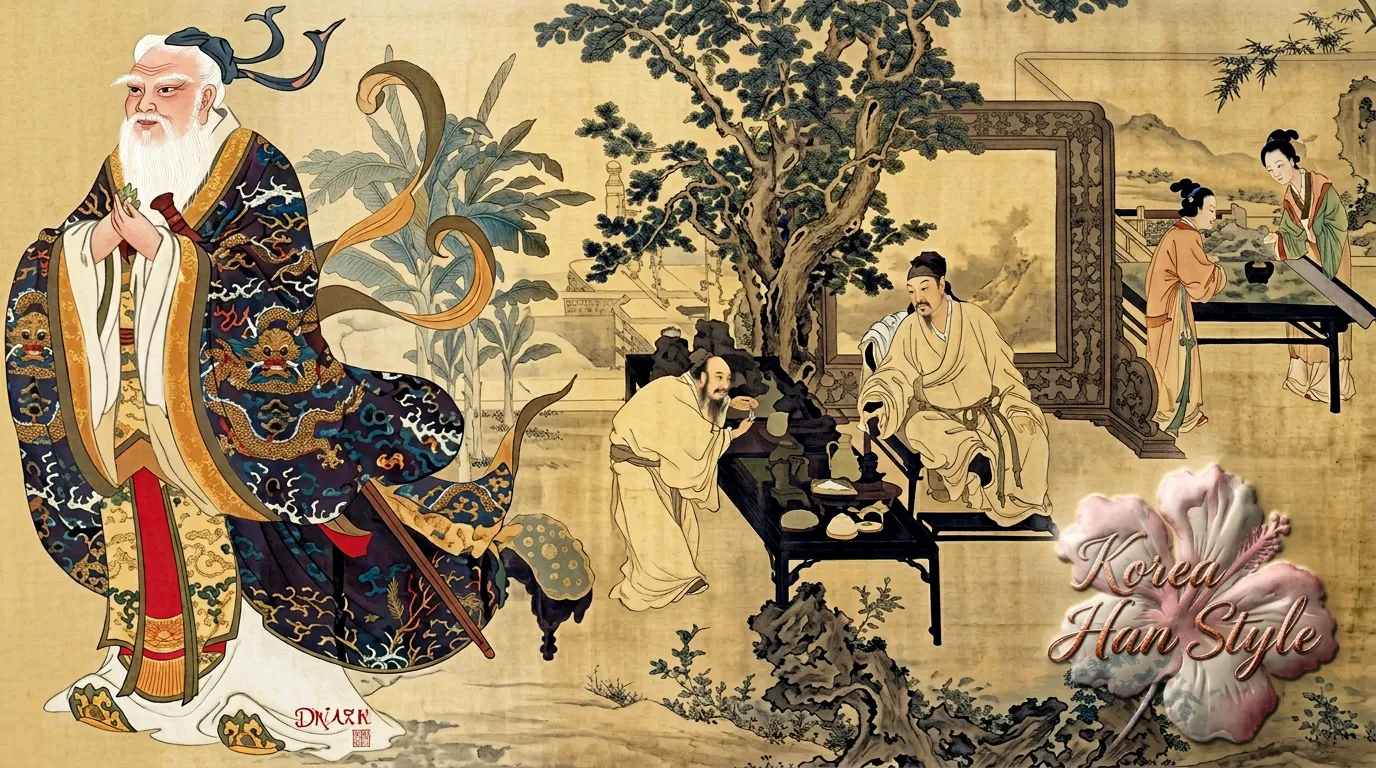
During the Han Dynasty (206 BCE to 220 CE), Confucianism in Han Dynasty, became the foundation of moral guidance and political governance. This philosophy, created by Confucius, emphasized ethics, social harmony, and hierarchical relationships. The Han rulers adopted it widely, shaping society, education, and political systems across the empire.
The Rise of Confucian Thought in Han Politics
The early Han rulers faced the challenge of uniting a vast empire after the fall of the Qin Dynasty. Legalism relied on strict laws and harsh punishments, which maintained order but failed to cultivate loyalty and virtue. Emperor Wu of Han (r. 141 to 87 BCE) promoted Confucianism as the state ideology. Confucian principles guided officials to act with righteousness and loyalty, strengthening both governance and social cohesion.
Civil Service and Meritocracy
The Han government established civil service examinations based on Confucian classics. Officials learned ethical principles and statecraft through these exams, ensuring that leaders acted morally and responsibly. This system rewarded knowledge and virtue rather than birthright, creating an effective and principled administration.
Confucian Ethics and Social Stability
Confucianism also strengthened social order. The philosophy emphasized filial piety, respect for elders, and family hierarchy. Citizens practiced self-discipline and moral judgment, extending ethical behavior from homes to communities.
The Five Relationships
Confucius defined five key relationships: ruler and subject, father and son, husband and wife, elder and younger, and friend and friend. Each person followed their role and responsibility, promoting respect, cooperation, and stability. By practicing these relationships, the Han society minimized conflicts and encouraged harmony.
Education and Cultural Influence
Confucianism reshaped education during the Han period. Schools taught Confucian texts to cultivate moral leaders and responsible scholars. The philosophy encouraged civic responsibility, intellectual growth, and merit-based advancement.
Cultural Expressions
Confucian principles influenced Han art, literature, and rituals. Court ceremonies, ancestor worship, and public rituals reflected moral values. Education, rituals, and cultural activities worked together to strengthen society and maintain ethical standards.Han Dynasty politics.
The Enduring Legacy of Confucianism
Confucianism served as the moral and political pillar of the Han Dynasty. By combining ethical guidance with practical governance, it created a stable, harmonious society. The philosophy influenced politics, social interactions, and culture, leaving a legacy that lasted centuries. The Han Dynasty demonstrated how philosophy could actively shape civilization and ensure lasting order.

Leave a Reply