
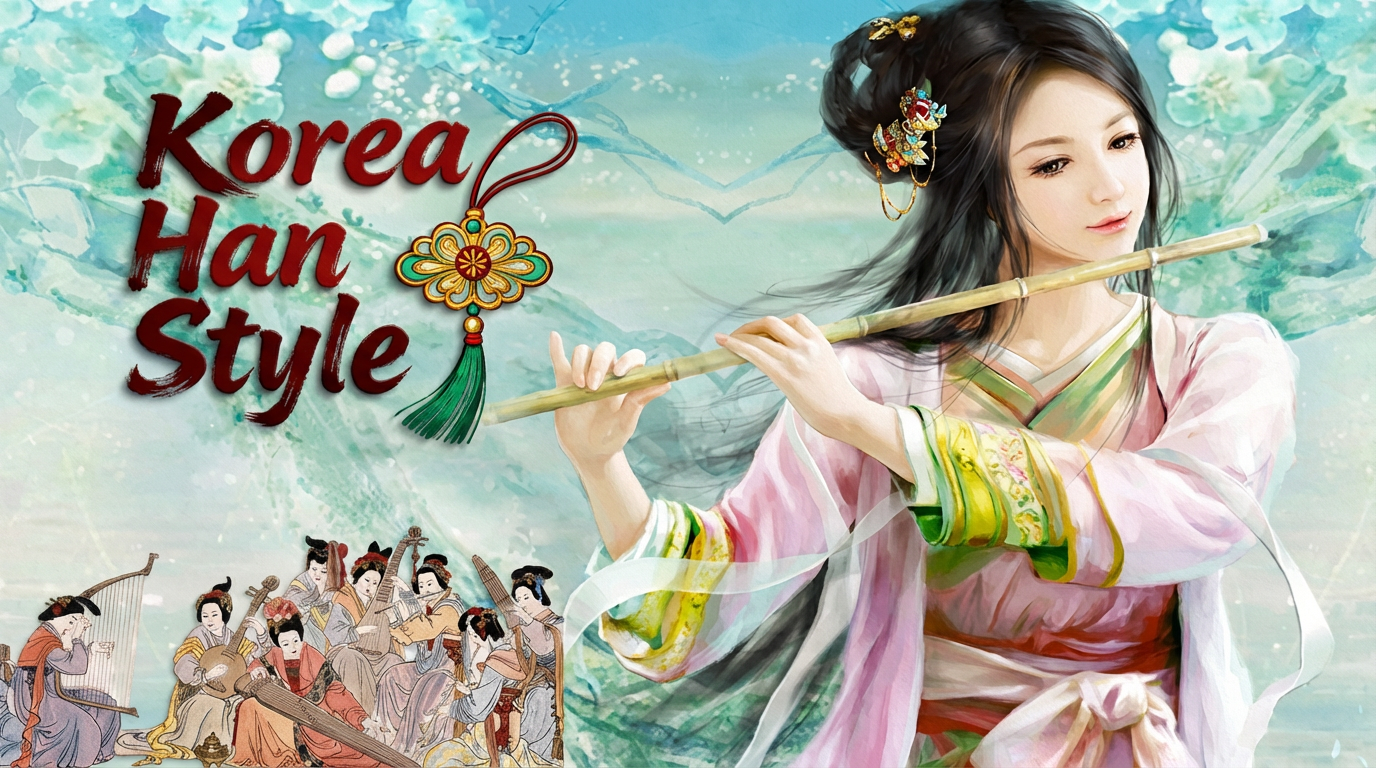
Guchui music in the Han Dynasty, refers to a powerful wind and percussion ensemble that flourished during the Han Dynasty. Musicians combined drums, bronze bells, and wind instruments to create bold, rhythmic, and energetic compositions. They performed this music in royal courts, military settings, and public celebrations.
From the beginning, Guchui represented authority, unity, and cultural identity. Strong rhythms and sharp wind tones created an atmosphere that captured attention instantly. As a result, leaders, soldiers, and citizens all recognized its significance in daily and ceremonial life.
The Role of Guchui in Han Dynasty Society
Leaders in the Han Dynasty relied on Guchui music to strengthen imperial prestige. Court musicians played it during state ceremonies and ancestral rituals, reinforcing the emperor’s legitimacy and power. At the same time, military commanders used drum patterns and wind signals to coordinate troop movements and boost morale on the battlefield.
Beyond official settings, communities embraced Guchui during festivals and seasonal events. Performers adapted tempo and style to match joyful public celebrations. Therefore, Guchui music, connected the imperial court with ordinary citizens, creating a shared cultural experience across social classes.
Instruments Used in Guchui Music
Han Dynasty musicians selected instruments that produced strong projection and clear rhythmic structure. They typically used:
- Large drums to establish steady rhythm
- Bronze bells to add bright tonal accents
- Traditional wind instruments to deliver sharp and commanding melodies
This combination created layered sound textures that filled open spaces with resonance and energy. The direct and structured musical style ensured clarity during ceremonies and effectiveness during military coordination.
Cultural Exchange and Musical Development
As trade expanded along the Silk Road, the Han Dynasty interacted with Central Asian regions. Musicians explored new techniques and stylistic elements while preserving traditional foundations. They integrated foreign influences into existing structures, which enriched melodic patterns and rhythmic diversity.
This openness to innovation strengthened Guchui music and allowed it to evolve without losing its core identity. Consequently, later Chinese musical traditions drew inspiration from the rhythmic intensity and ensemble format that Guchui established.
Conclusion
Guchui music in the Han Dynasty illustrates how ancient China combined art, politics, and community life into one dynamic tradition. Musicians shaped powerful performances that supported rituals, strengthened military coordination, and energized public festivals. Through its bold wind and percussion ensemble structure, Guchui left a lasting impact on the history of Chinese music and continues to represent the cultural strength of the Han era.

Leave a Reply