
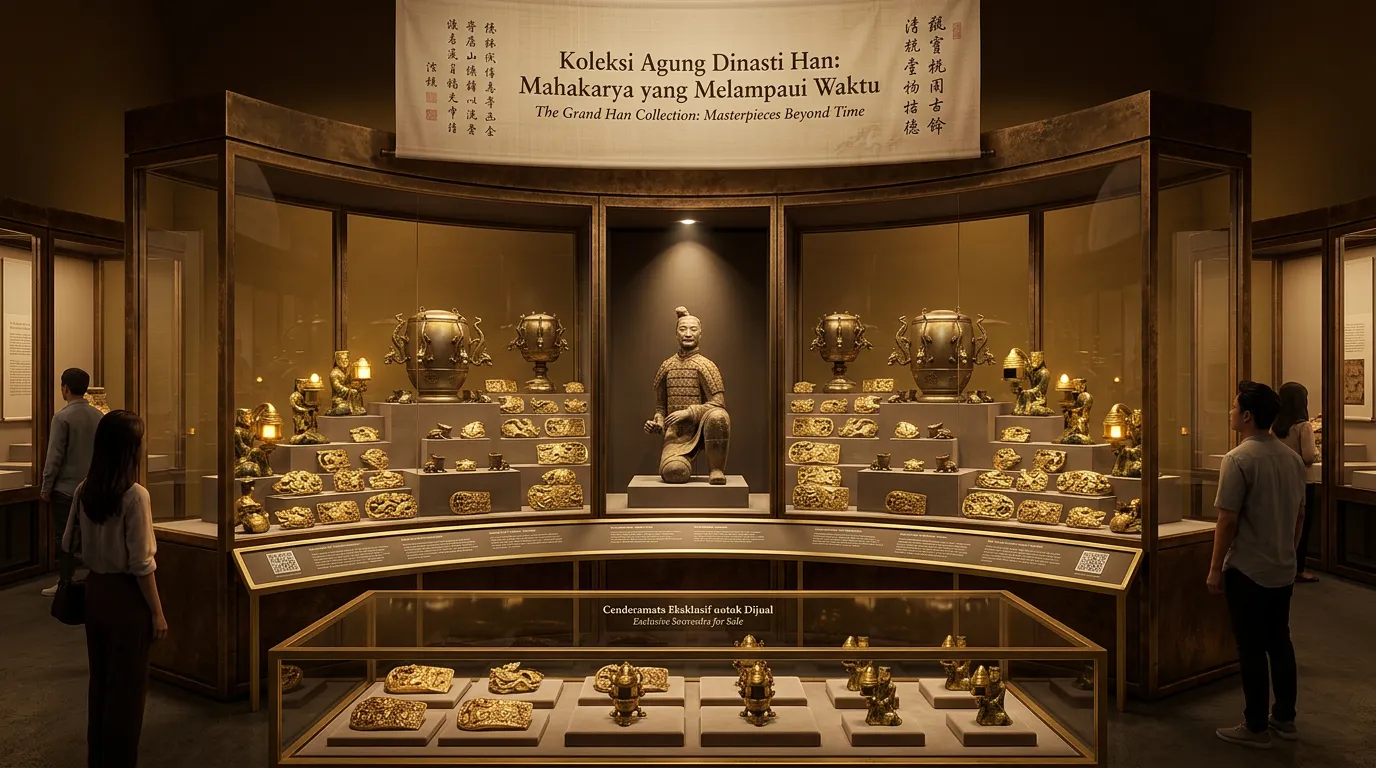
The Han Dynasty, (206 BCE – 220 CE) remains one of the most influential periods in Chinese history. Known for its political stability, cultural achievements, and technological innovations, the Han era set foundations that shaped China for centuries.
Political and Administrative Innovations
One of the most remarkable features of the Han Dynasty was its sophisticated government system. Building on the legacy of the Qin Dynasty, the Han rulers established a centralized bureaucracy that relied on merit rather than just noble birth. Civil service examinations, though in early form, began to identify talented officials, ensuring that governance was more effective. This emphasis on meritocracy helped maintain stability and promoted the efficient administration of a vast empire.
Cultural Flourishing
The Han Dynasty also witnessed significant cultural development. Confucianism became the guiding philosophy of governance, influencing laws, education, and social norms. Literature, poetry, and historical records flourished, with works like the Records of the Grand Historian by Sima Qian preserving the rich history of the era. Art and craftsmanship also reached new heights, with intricate jade carvings, pottery, and silk weaving reflecting the era’s sophistication.
Technological and Scientific Achievements
Innovation was another hallmark of the Han period. The invention of paper revolutionized communication and record-keeping, while advances in metallurgy allowed for better tools and weapons. The Han also made progress in medicine, astronomy, and cartography, creating more accurate calendars and maps. Such technological strides not only improved daily life but also strengthened the empire’s infrastructure and trade networks.
Economic Growth and Trade
Economically, the Han Dynasty thrived. Agricultural techniques improved through irrigation and iron tools, leading to surplus production. This allowed for the growth of towns and cities, markets, and a more interconnected economy. Trade expanded both domestically and internationally, particularly along the Silk Road, which connected China with Central Asia, the Middle East, and even Europe. The exchange of goods, ideas, and culture enriched the empire and extended China’s influence far beyond its borders.
Social Structure and Family Life
Family played a central role in Han society. Filial piety and respect for elders were deeply ingrained values. Social hierarchy was defined but allowed for upward mobility through education and achievement, especially in government service. This balance of tradition and opportunity created a society that valued stability, loyalty, and progress.
Conclusion
The Han Dynasty achievements, was truly remarkable for its political innovation, cultural achievements, technological advancements, economic growth, and strong social values. Its legacy continues to influence Chinese civilization today, making it one of the most celebrated eras in world history.

Leave a Reply