
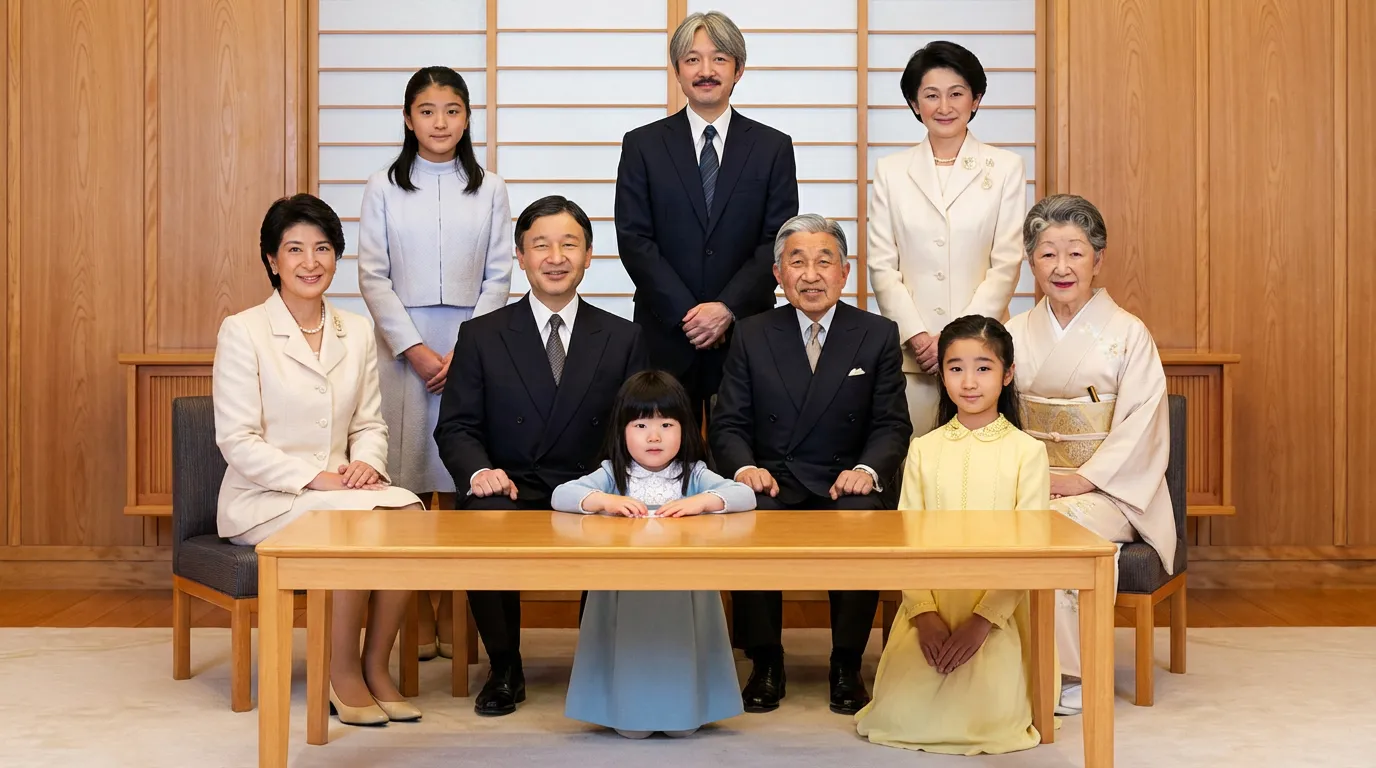
The Han Dynasty, (206 BCE – 220 CE) stands as one of China’s most influential periods, marked by political stability, cultural growth, and territorial expansion. At the heart of this era, the emperors and their royal family played pivotal roles in shaping the nation’s destiny. Their lives, decisions, and legacy reveal the intricate balance between authority, duty, and family values.
The Role of the Emperor
The emperor held absolute power and served as the ultimate symbol of the state. He not only commanded armies and managed administration but also embodied moral and spiritual authority. Emperor Wu of Han, for instance, expanded the empire’s borders while promoting Confucian values and education. His leadership demonstrated a blend of strategic ambition and intellectual sophistication, setting a high standard for rulers that followed.
Emperors were expected to act decisively yet maintain fairness. They issued laws, appointed officials, and conducted rituals to gain legitimacy from both heaven and the people. The success of the dynasty often depended on their ability to balance military strength, political strategy, and moral leadership. Every action they took influenced millions of lives, highlighting the immense responsibility carried by the throne.
Life Within the Royal Family
The royal family of the Han Dynasty held significant social and political influence. Wives, concubines, and children not only played ceremonial roles but also shaped succession and governance. The emperor’s mother and senior consorts often wielded considerable power behind the scenes, guiding young heirs or influencing court politics.
Education and etiquette were emphasized within the royal household. Children of the emperor received training in Confucian classics, military strategy, and administrative skills, preparing them for leadership. At the same time, personal relationships and loyalty were highly valued. The royal family’s conduct served as a model for the nobility and the common people, demonstrating the intertwining of power, morality, and family values.
Balancing Power and Morality
One of the most striking aspects of Han emperors and their families was their effort to balance authority with ethical governance. Confucian principles heavily influenced court life, urging rulers to prioritize justice, benevolence, and respect for tradition.
Legacy of the Han Dynasty Royals
The contributions of Han emperors and their families extend far beyond their lifetimes. They established political institutions, cultural norms, and educational practices that influenced subsequent dynasties. Monuments, palaces, and historical records preserved their achievements, giving modern scholars insight into their lives, governance, and values.
In addition, the Han royal family’s emphasis on education and moral leadership strengthened the social fabric. By combining strategic governance with Confucian ethics, they created a model of rulership that balanced pragmatism with idealism. Their legacy continues to inspire studies of leadership, family roles, and historical governance in China.
Conclusion
The emperors and royal family, of the Han Dynasty exemplify a unique fusion of power, wisdom, and ethical responsibility. Their lives reveal a world where leadership extended beyond politics into family, education, and moral example. Understanding the roles and character of Han royals provides a window into the values, priorities, and social structures that shaped one of China’s greatest dynasties.

Leave a Reply