
Historical Background of the Han Dynasty
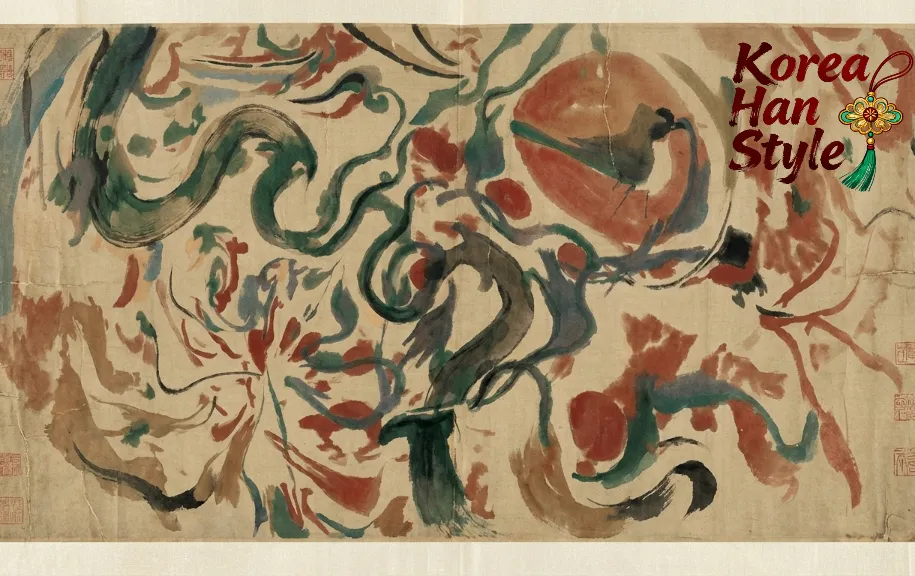
The Han Dynasty art, (206 BCE–220 CE) shaped one of the most influential eras in Chinese history. During this period, artists developed new techniques and strengthened cultural traditions. Political stability encouraged creativity, and art flourished across the empire. Painting became a powerful medium to express philosophy, social status, and spiritual beliefs.
Why Han Dynasty Paintings Hold Extraordinary Value
Han Dynasty paintings command extremely high value today because they combine rarity, history, and artistic innovation. Collectors and museums actively seek authentic works from this era. Few original paintings survive, which increases demand and drives prices higher in the global art market.
Artists during the Han Dynasty created murals, silk paintings, and decorative artwork for tombs and palaces. Silk paintings stand out as some of the most valuable pieces. Artists carefully applied ink and natural pigments onto delicate silk surfaces. This technique required precision and skill. Since silk deteriorates over time, only a limited number of examples remain intact.
Silk Paintings as the Most Valuable Art Form
Silk paintings from the Han Dynasty represent some of the most expensive artworks associated with this period. Wealthy nobles commissioned these works to demonstrate power and cultural refinement. Artists depicted scenes of daily life, mythology, and spiritual journeys. These themes reflected the beliefs of Confucianism and early Taoist philosophy.
Because silk breaks down easily, surviving examples attract intense attention from collectors. When an authentic Han Dynasty silk painting appears in an international auction, experts often estimate multi-million-dollar values. The combination of age, craftsmanship, and historical importance significantly raises the price.
Tomb Murals and Their Cultural Significance
Han Dynasty tomb murals also hold remarkable value. Artists painted these murals directly onto burial chamber walls. The images illustrated family status, imperial authority, and visions of the afterlife. These murals reveal social structure and artistic development during early imperial China.
Archaeologists and historians study these murals to understand ancient customs. Museums preserve discovered pieces and showcase them as priceless heritage artifacts. Their historical importance often exceeds their monetary value.
Factors That Increase the Price of Han Dynasty Art
Several factors drive the high market value of Han Dynasty paintings:
- Extreme rarity
- Historical authenticity
- Excellent preservation
- Cultural influence
- Strong global demand
Because wars, natural disasters, and time destroyed many ancient artworks, surviving pieces become highly sought after. As supply decreases, value increases. International collectors compete for verified artifacts, which pushes auction prices even higher.
Conclusion: A Timeless and Highly Valuable Artistic Heritage
Most Expensive Han Dynasty Painting, earn their value from history, craftsmanship, and scarcity. Silk paintings and tomb murals represent the peak of artistic achievement during this era. Today, these works attract museums, collectors, and historians worldwide.

Leave a Reply