
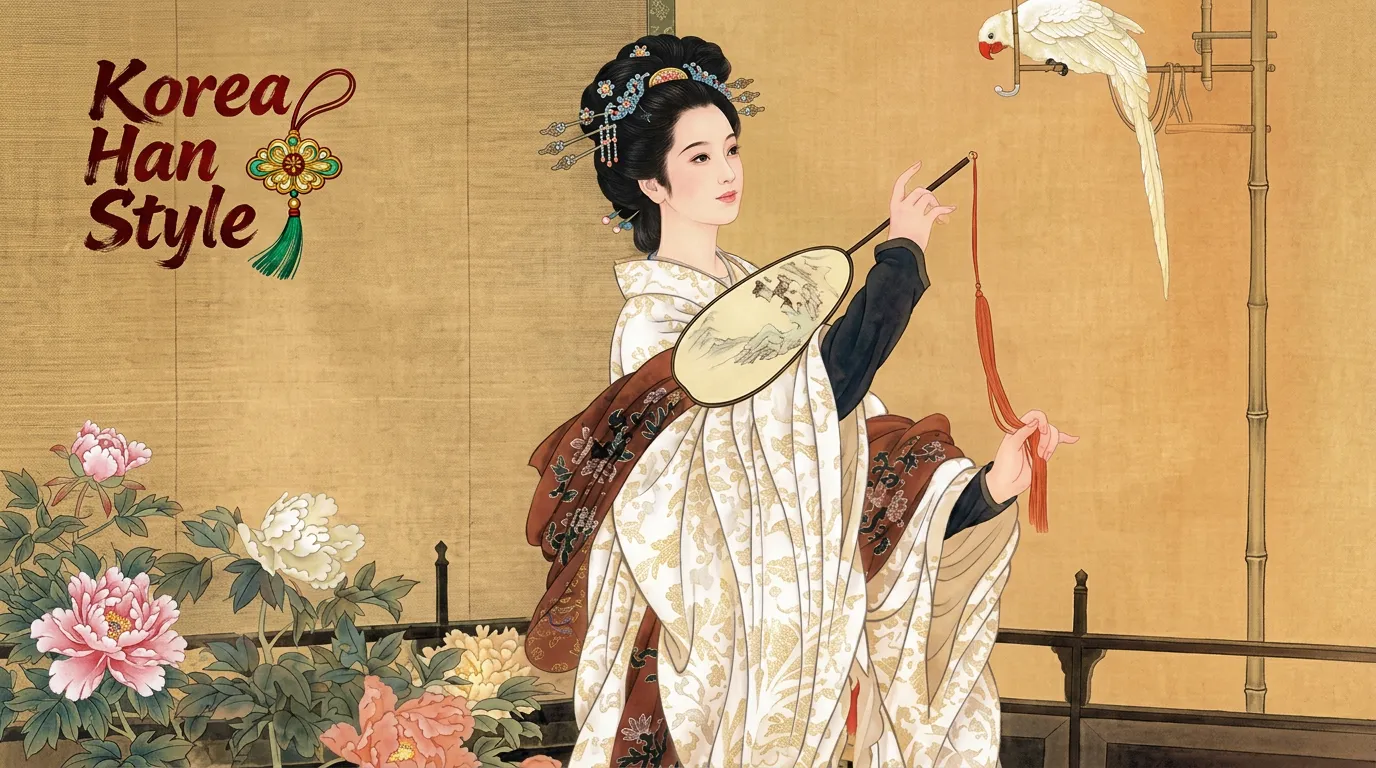
Han Dynasty art, (206 BCE – 220 CE) represents one of China’s most influential eras, not only in politics and culture but also in art. Among the most fascinating aspects of Han art is its portrayal of women. Artists skillfully combined elegance, allure, and symbolism to create imagery that both celebrated and idealized feminine beauty. The seductive art style during this period highlights a sophisticated understanding of form, fashion, and emotion, offering modern audiences a window into ancient aesthetics.
The Essence of Seductive Art
Han Dynasty painters and sculptors emphasized graceful curves, flowing garments, and delicate gestures. They depicted women not merely as passive figures but as vibrant embodiments of charm and intellect. From murals in tombs to silk paintings, each stroke radiated elegance, while subtle details conveyed personality and status. These artworks captured both the physical beauty of women and their social roles within a structured yet culturally rich society.
Fashion as a Symbol of Beauty
Clothing played a central role in conveying allure. Women often wore layered robes with intricate patterns that accentuated their figures. Artists paid meticulous attention to hairstyles, hairpins, and jewelry, blending realistic textures with idealized aesthetics. The flowing fabrics and elegant postures not only reflected contemporary fashion trends but also emphasized the sensual grace of the female form. In essence, fashion became a medium through which artists expressed attraction and sophistication simultaneously.
Female Roles and Symbolism
Han artists also infused their work with symbolism. Women appeared in domestic settings, enjoying leisure, music, or poetry, highlighting cultural ideals of femininity. Other depictions placed women in mythological or celestial scenes, linking beauty to divine qualities. These symbolic portrayals allowed viewers to associate charm with virtue, intellect, and status. The delicate balance between sensuality and refinement illustrates the era’s nuanced understanding of femininity.
Techniques and Artistic Innovation
The Han Dynasty introduced techniques that amplified the seductive style. Fine brushwork, subtle shading, and harmonious color palettes created a sense of depth and realism. Murals in tombs, such as those at Mawangdui, showcase women with fluid movements, soft expressions, and intricate detailing. Sculptors, too, crafted figurines that celebrated female beauty, often in poses that conveyed grace, movement, and allure. The combination of technical skill and thematic focus ensured these works remained visually captivating for centuries.
Legacy and Modern Influence
The seductive art of Han Dynasty women continues to inspire contemporary artists and historians. Its influence appears in traditional Chinese painting, fashion illustration, and even modern media. By studying these works, modern audiences gain insights into the cultural ideals of beauty, power, and femininity in ancient China. Han art demonstrates that attraction extends beyond physical appearance it involves intelligence, style, and the subtle nuances of daily life.women in Han Dynasty.
Conclusion
Art from the Han Dynasty offers more than historical documentation; it reveals an era that celebrated female charm through elegance and symbolism. The seductive art style, combined with thematic focus on women, reflects cultural sophistication and artistic mastery. By exploring these works, we connect with the timeless fascination of beauty, grace, and allure, understanding how ancient artists celebrated women in ways that resonate even today.

Leave a Reply