
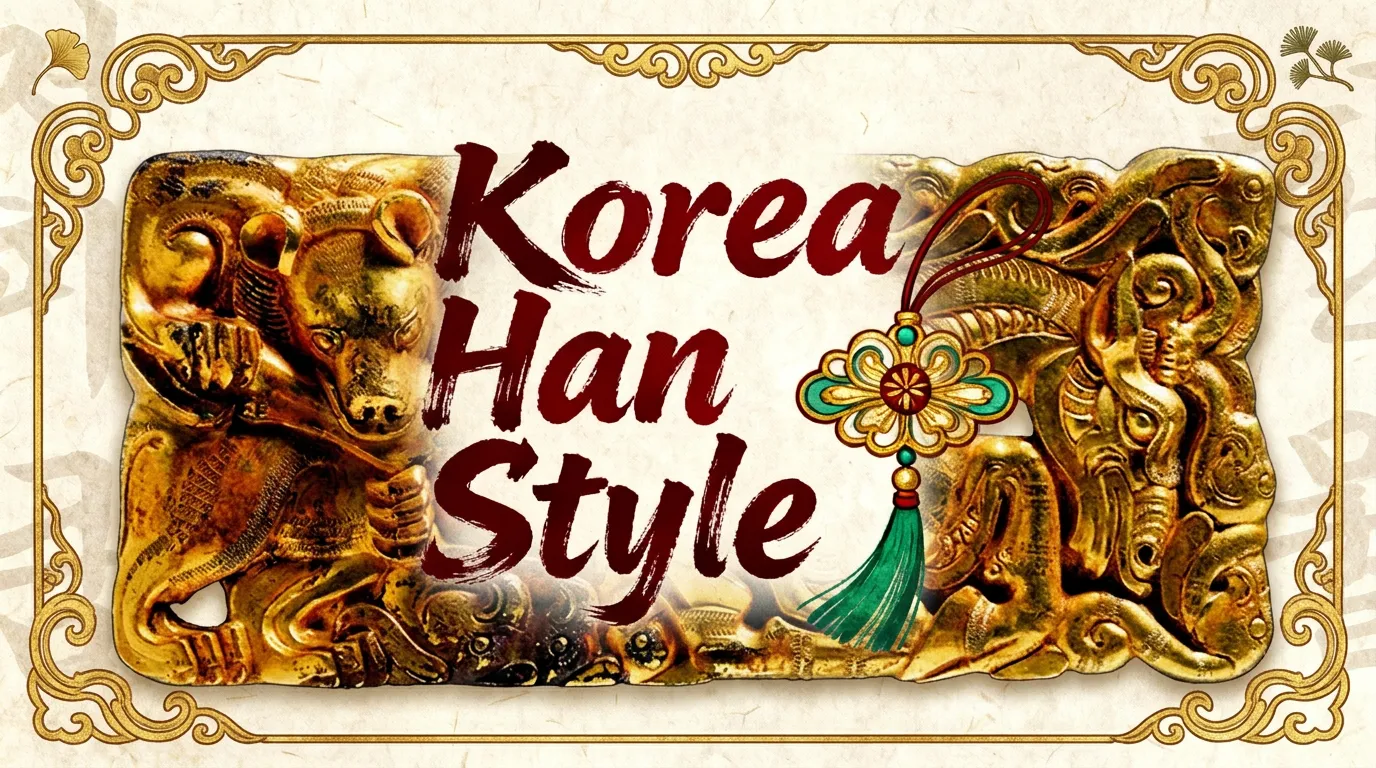
Introduction to Han Dynasty Art
The Han Dynasty art, built a powerful artistic tradition in ancient China. Han artists combined philosophy, political authority, and daily life into strong visual works. They used materials such as bronze, jade, wood, and silk to express social status and spiritual beliefs. The Han government actively supported art production to strengthen imperial legitimacy. Craftsmen developed highly detailed techniques and created works that showed extreme precision. Art in this era did not only serve decoration but also symbolized cultural power and royal identity.
Extreme Characteristics of Han Art Style
Han Dynasty art displays an extreme style through intricate details and powerful symbolism. Artists carved complex patterns on bronze and jade with high precision. They depicted mythical creatures such as dragons and phoenixes to represent power and protection. Red, black, and gold colors dominated artworks to create a majestic impression. Craftsmen focused on balancing visual beauty with spiritual meaning. They did not only aim for aesthetics but also communicated philosophical ideas about life, death, and harmony with nature.
Silk Painting and Visual Expression
Han artists developed silk painting with delicate techniques and sharp detail. They illustrated palace life, rituals, and everyday activities of society. Silk paintings showed dynamic movement influenced by Taoist and Confucian thought. Artists used fine brushes to produce expressive and clean lines. They also applied natural pigments from minerals and plants to enhance visual quality. This art form required high control over expensive and sensitive materials, showing advanced artistic skill and discipline.
Sculpture and Burial Artifacts
Han craftsmen created burial sculptures to represent life after death. They carved figures of soldiers, servants, and animals as spiritual companions for the deceased. These artifacts displayed extreme detail in facial expression and body posture. Artists also produced jade burial suits made from small jade pieces connected with gold thread. They believed these objects protected the soul and extended existence in the afterlife. Burial art reflects strong beliefs in spirituality and immortality.
Legacy and Cultural Influence
Han Dynasty art left a strong influence on later Chinese artistic development. Many carving, painting, and ceramic techniques originated from the Han period. Modern artists still study Han symbolism and aesthetics to create new works. The extreme Han style shows a deep connection between political power and cultural expression. This legacy strengthens East Asian artistic identity and continues to inspire global artists today.
Extreme Aesthetic Analysis
Han art presents an extreme aesthetic through precision, symbolism, and spiritual meaning. Craftsmen worked with strict discipline to produce durable and meaningful works. They combined natural elements and mythology into unified visual compositions. Each artwork reflects the relationship between humans, nature, and political authority. This approach creates a unique artistic identity distinct from other dynasties. Han visual expression does not only pursue beauty but also strengthens moral and philosophical messages.
Conclusion
Han Dynasty art continues to demonstrate deep cultural strength and historical relevance. Its legacy remains alive in museums, academic research, and modern creative inspiration worldwide.

Leave a Reply