
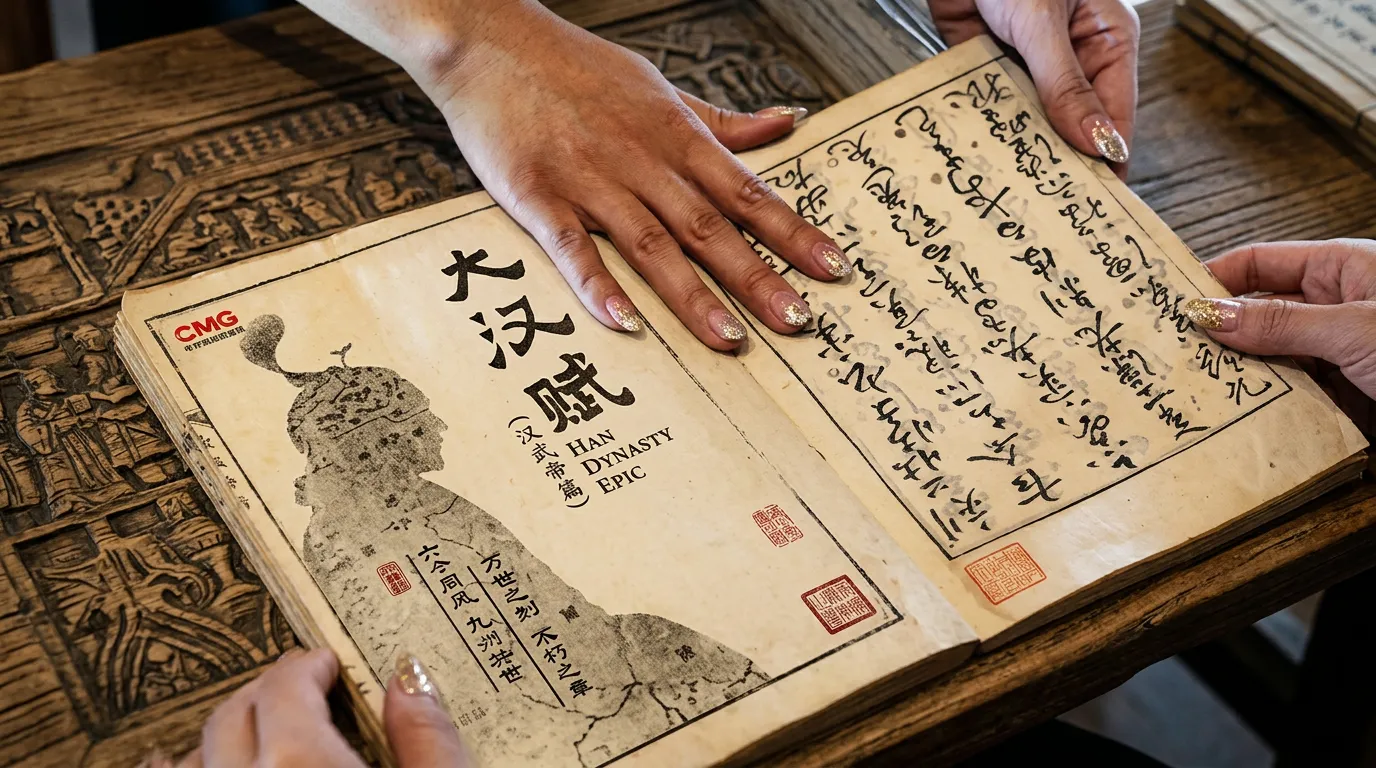
Han Dynasty literature, (206 BCE – 220 CE) marked a significant period in Chinese history, characterized by political stability, economic growth, and cultural exchange. During this era, literature not only flourished within China but also absorbed influences from the West through expanding trade routes, especially the Silk Road. Western cultural literature left subtle yet meaningful impressions on Han intellectual life, enriching the literary landscape and shaping philosophical, historical, and poetic expressions.
Trade Routes as Cultural Bridges
The Silk Road acted as a crucial conduit for exchanging ideas, stories, and literary motifs between East and West. Merchants, travelers, and envoys carried not only goods but also stories, myths, and philosophical ideas from Western civilizations. These exchanges introduced Han scholars to new themes, including heroism, morality, cosmology, and governance, which gradually seeped into Chinese writings. Literature became a medium for cross-cultural dialogue, reflecting curiosity about distant lands and peoples.
Historical Texts with Western Insights
Han historians documented foreign lands and cultures with keen attention to detail. Works like the “Records of the Grand Historian” (Shiji) and “Book of Han” (Hanshu) included descriptions of Western regions such as Central Asia, Parthia, and even parts of the Roman Empire. These accounts illustrated not only geography and politics but also social customs, legal systems, and belief structures. Scholars interpreted these observations to compare governance, justice, and societal values, inspiring a more global perspective in Chinese historical literature.
Philosophical and Moral Themes
Western philosophical ideas, though limited in direct transmission, influenced Han thought indirectly through traders and diplomats. Concepts of ethics, virtue, and leadership in Western tales often resonated with Confucian and Daoist writings. Han intellectuals integrated foreign notions of heroism, justice, and ethical responsibility into poetry, essays, and historical narratives. This fusion created layered works that reflected both indigenous and external influences, enriching the moral and didactic quality of literature.
Poetic Inspirations and Narrative Forms
Poets of the Han Dynasty experimented with storytelling techniques inspired by Western epics and oral traditions. The themes of travel, adventure, and cross-cultural encounters appeared in both poetic and prose forms. Legends and myths from distant lands found subtle representation in allegorical poetry. Writers used these motifs to explore human emotions, ambition, and fate, blending imagination with observations of foreign cultures. Such literary creativity strengthened Han literary identity while opening a window to the broader world.
Cultural Legacy and Influence
Western cultural literature during the Han Dynasty left enduring traces in Chinese literary history. It encouraged scholars to think beyond local boundaries, blending curiosity, moral inquiry, and artistic expression. The integration of foreign motifs and knowledge into historical, philosophical, and poetic works helped lay a foundation for later periods, including the Tang and Song dynasties, which saw even greater international literary exchange.
Conclusion
The Han Dynasty represents a vibrant era when Chinese literature absorbed and responded to Western cultural influences. Through historical records, moral reflections, and poetic creativity, Western ideas enriched Han literature and shaped the intellectual and artistic development of China. Cross-cultural literary exchange demonstrated that even in ancient times, literature served as a bridge connecting distant worlds.

Leave a Reply