
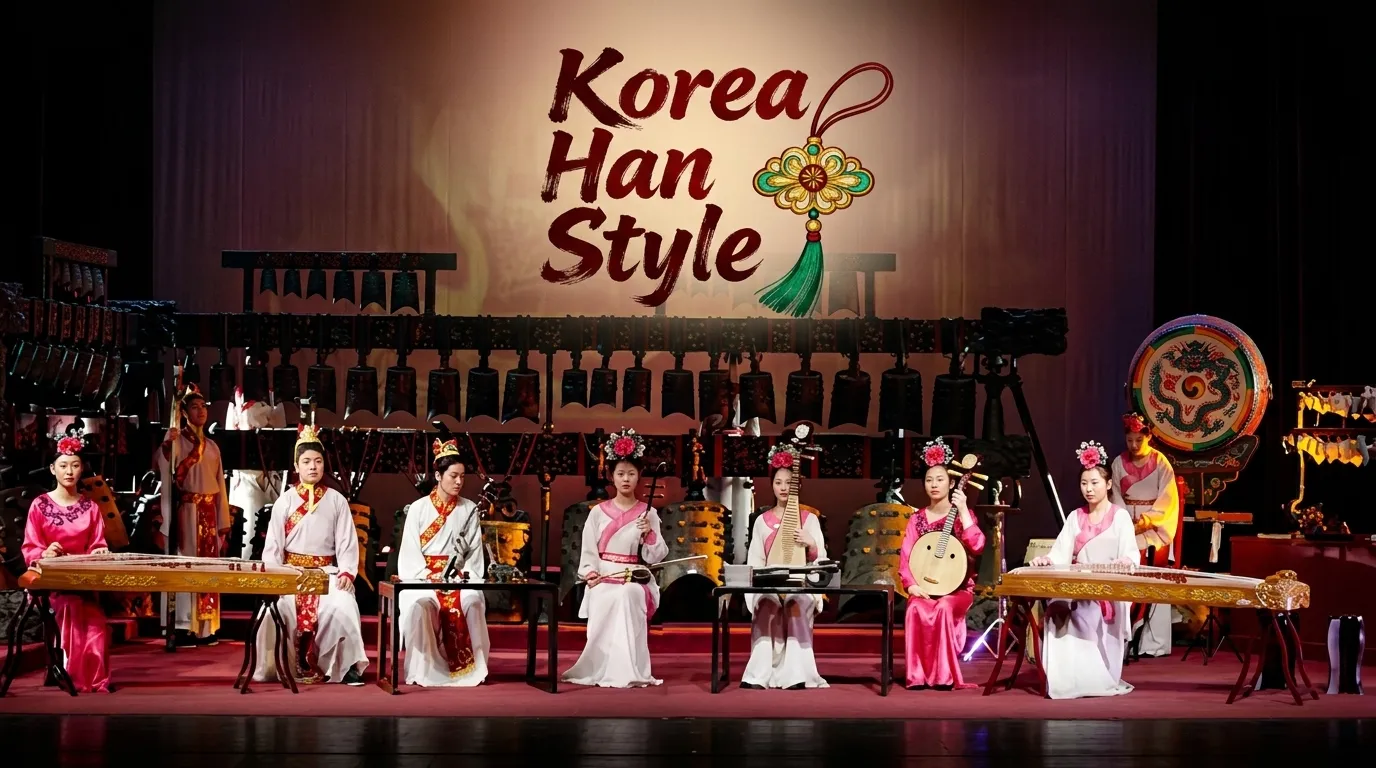
Han Dynasty music, (206 BCE – 220 CE) stands as one of the most influential eras in Chinese history, not only for its political and cultural achievements but also for its remarkable contributions to music. Music during this period played a vital role in ceremonies, court life, and entertainment. It reflected the social values, philosophical ideas, and artistic elegance of the time.
The Role of Music in Han Society
Music in Han China was deeply intertwined with Confucian ideology. Confucius believed that music could influence moral behavior, foster harmony, and strengthen societal order. As a result, musical education became an essential aspect of aristocratic upbringing. Young nobles were trained to play instruments, sing, and understand musical theory, ensuring they could participate in ritual performances and court events with grace and sophistication.
Instruments That Defined an Era
Several musical instruments gained prominence during the Han Dynasty. The guqin, a seven-stringed zither, was a favorite among scholars and officials. Its soft, melodic tones conveyed contemplation and serenity. Another iconic instrument was the pipa, a lute-like instrument whose expressive sound could narrate stories of heroism and romance. Percussion instruments, such as drums and bells, also held a central place in ceremonial music, providing rhythm and grandeur to both religious rituals and state events.
Court Music and Entertainment
The Han emperors were keen patrons of music, establishing official orchestras that performed during court ceremonies and festivals. These ensembles combined string, wind, and percussion instruments to create harmonious arrangements that impressed both locals and visiting dignitaries. Music served as a symbol of imperial power and cultural sophistication, enhancing the grandeur of state rituals.
Entertainment music also flourished outside the royal court. Folk performances, theater, and dance were often accompanied by vibrant melodies and rhythmic patterns. Songs celebrated agricultural life, heroic deeds, and legendary tales, allowing common people to connect with their cultural heritage. This dual presence of elite and popular music highlights the versatility and importance of music in Han society.
Famous Compositions and Legacy
While specific musical scores from the Han Dynasty have largely been lost, historical records mention famous compositions that were widely performed. Pieces like “Music of the Noble Virtue” reflected Confucian ideals, emphasizing harmony between human actions and cosmic order. These compositions influenced not only later dynasties but also the broader development of Chinese musical theory. famous music in Han China.
The Enduring Influence of Han Music
The legacy of Han Dynasty music is still felt today. Traditional Chinese instruments such as the guqin and pipa continue to be studied and performed worldwide. Scholars and musicians often look back to Han-era texts and depictions to understand ancient performance practices, connecting modern audiences with the elegance and philosophy of early Chinese civilization.
In conclusion, music in Han Dynasty China was more than entertainment; it was a powerful cultural force. From the refined melodies of the court to the vibrant rhythms of folk songs, Han music shaped society, reflected philosophical ideals, and left a lasting imprint on Chinese cultural history. Exploring these ancient sounds allows us to experience the richness and sophistication of one of China’s most celebrated eras.

Leave a Reply