
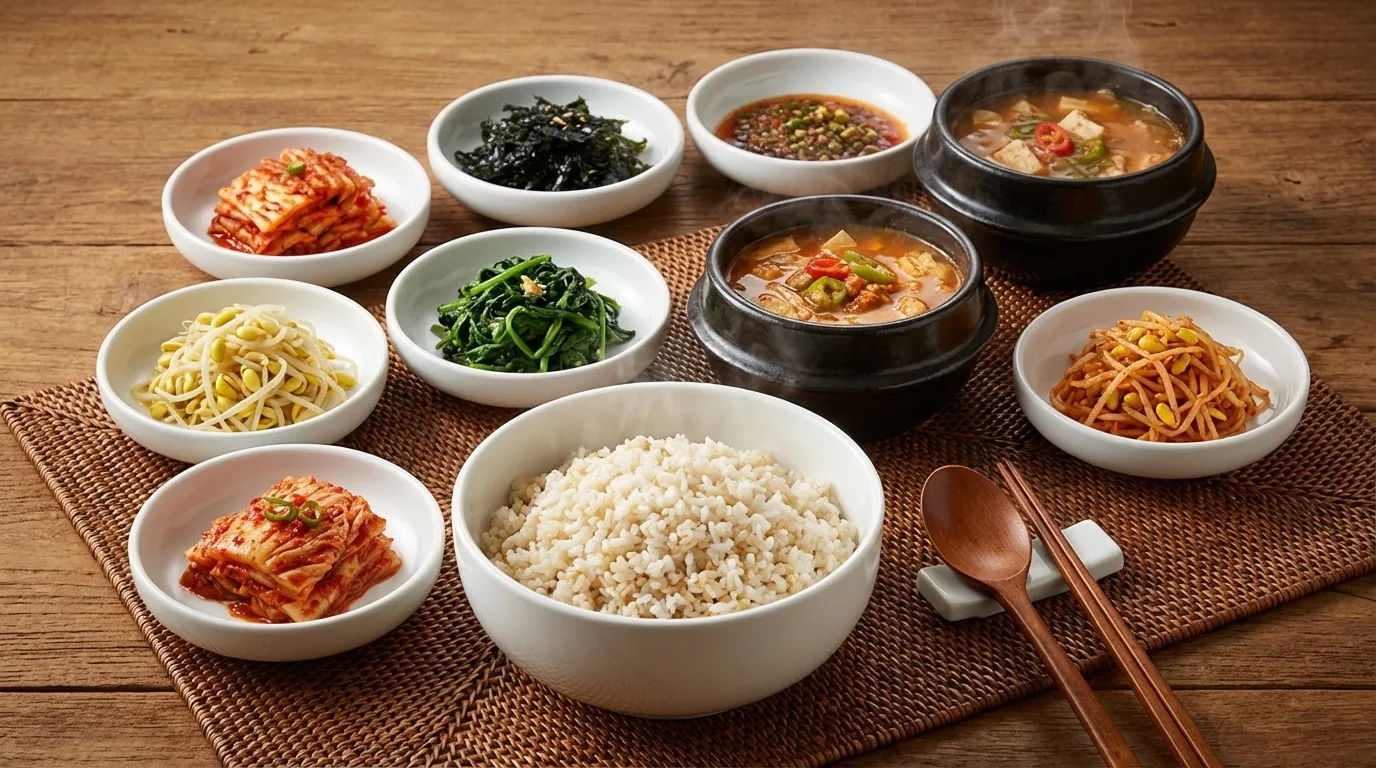
Korean cuisine boasts a rich history that reflects centuries of cultural exchange and local innovation. During the period influenced by the Han Dynasty, early Korean societies were already developing unique culinary traditions that combined local ingredients with techniques introduced from China. Many dishes from this era laid the foundation for the vibrant, flavorful Korean cuisine we enjoy today.
The Role of Rice and Grains
Staple grains were central to Korean meals during this time. Steamed rice served as the primary source of sustenance, often complemented by barley, millet, and wheat. Rice was not only a dietary staple but also a symbol of prosperity and health. Early Korean cooks mastered the art of preparing rice porridge, known as juk, which was easy to digest and could be enriched with vegetables or meat.
Transitioning from grains, these meals were often accompanied by fermented foods, which provided essential nutrients and preserved the food throughout the seasons.
Early Fermented Delights: Kimchi and Beyond
Fermentation has long been a hallmark of Korean cuisine. During the Han Dynasty period, early versions of kimchi were already taking shape. Unlike the modern spicy kimchi, these early versions were simpler, often made with cabbage, radish, and salt, allowing natural fermentation to develop a tangy flavor.
Additionally, jang, a fermented soybean paste, was widely used. This versatile ingredient enhanced soups, stews, and dipping sauces, demonstrating that even centuries ago, Koreans valued depth of flavor and nutritional balance in their meals.
Soups and Stews: Comfort in a Bowl
Soups and stews were integral to the Korean diet during this era. Dishes such as guk (broth-based soups) and jjigae (thicker stews) provided warmth and nourishment. Ingredients were seasonal and locally sourced, including vegetables, grains, fish, and occasionally meat.
The preparation of these soups showcased the early Korean philosophy of balancing flavors and textures, ensuring that each meal was both satisfying and wholesome. Transitioning from basic soups, some households also experimented with herbal infusions, combining medicinal herbs with everyday ingredients for health benefits.
Influence of Chinese Culinary Techniques
The Han Dynasty’s cultural influence introduced new cooking methods and ingredients to Korea. Techniques such as stir-frying and steaming gradually merged with traditional Korean practices. Soy sauce, wheat-based noodles, and certain spices entered the Korean kitchen, enriching the local food culture.
This cross-cultural exchange allowed Korean cuisine to evolve while retaining its unique identity. It also set the stage for centuries of culinary innovation that continue to define Korean food today.
Legacy of Ancient Korean Cuisine
Although exact recipes from the Han Dynasty period are scarce, the culinary principles established then continue to influence modern Korean cuisine. The emphasis on rice, fermentation, soups, and balanced flavors remains central. Many dishes enjoyed today, from kimchi to hearty stews, trace their roots back to these early innovations.
By understanding the history of ancient Korean dishes, we gain insight into how Korea’s rich food culture developed over centuries. It highlights not only the flavors but also the resilience and creativity of early Korean cooks who transformed simple ingredients into enduring culinary traditions.

Leave a Reply