
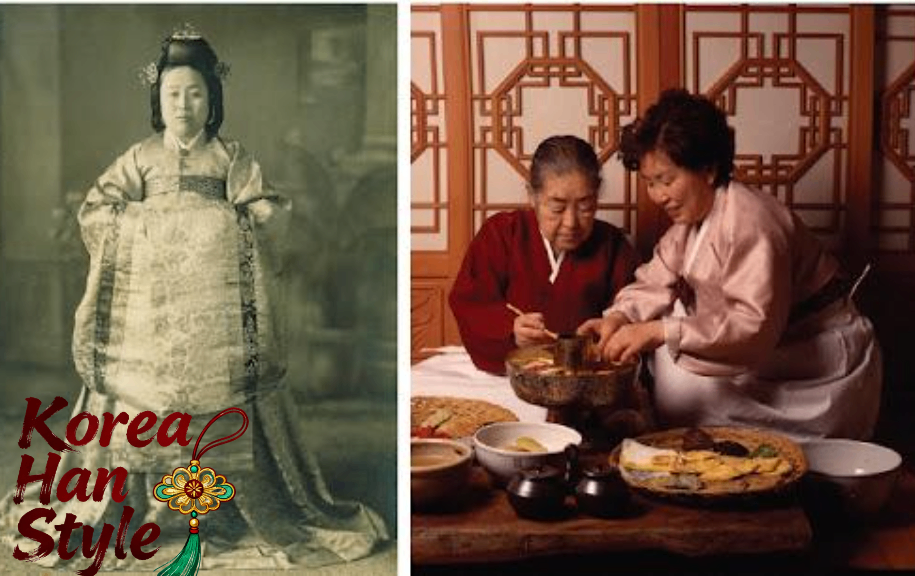
The history of Korea intertwines closely with its neighbors, especially China. During the Han Dynasty (206 BCE – 220 CE), Korea absorbed cultural and social influences that shaped its traditions and societal practices. While the Han Dynasty ruled China, Korean kingdoms like Goguryeo, Baekje, and Silla developed customs that combined local heritage with foreign inspiration. Korean traditions Han Dynasty.
Confucian Principles and Family Rituals
Korean elites eagerly embraced Confucian ideals introduced by the Han Dynasty. They integrated hierarchy, family loyalty, and ritual propriety into governance and daily life. Families performed ancestral rites meticulously, merging local shamanistic practices with Chinese rituals. These ceremonies reinforced moral values and strengthened social bonds, laying the foundation for traditions that endure today.
Art and Craftsmanship
Korean artisans thrived under Han influence, creating pottery, bronze work, and intricate ornaments. Bronze mirrors and ceremonial vessels reflected Chinese techniques while highlighting local tastes. People used these artifacts in religious and social ceremonies, emphasizing the strong connection between artistry and tradition.
Music and Dance in Korean Courts
Court performances adopted Chinese styles but incorporated indigenous rhythms and instruments. Musicians and dancers symbolized political authority and spiritual devotion through elaborate ceremonies. These performances demonstrated cultural sophistication and reinforced the link between the monarchy and traditional values. Confucian influence Korea.
Clothing and Fashion
Korean elites wore layered robes and intricate accessories to display social rank and respect for Confucian ethics. Commoners preferred practical attire suited for agricultural life. This distinction in dress reinforced societal hierarchy while showing Korea’s ability to absorb foreign influences without losing cultural identity.
Education and Scholarship
Korean scholars studied Chinese classics and applied Confucian teachings to moral and intellectual development. Schools and study groups nurtured literate, morally conscious elites. Education strengthened social cohesion and ensured that traditions evolved while passing knowledge to future generations.
Lasting Impact of Han Influence
The Han Dynasty era transformed Korea through a dynamic blend of indigenous customs and Chinese inspiration. Ancestral rites, art, music, clothing, and education reveal a society actively shaping its cultural identity. These traditions laid the groundwork for Korea’s unique heritage, showing how culture evolves through adaptation, contact, and creativity. Historical Korean fashion.

Leave a Reply