
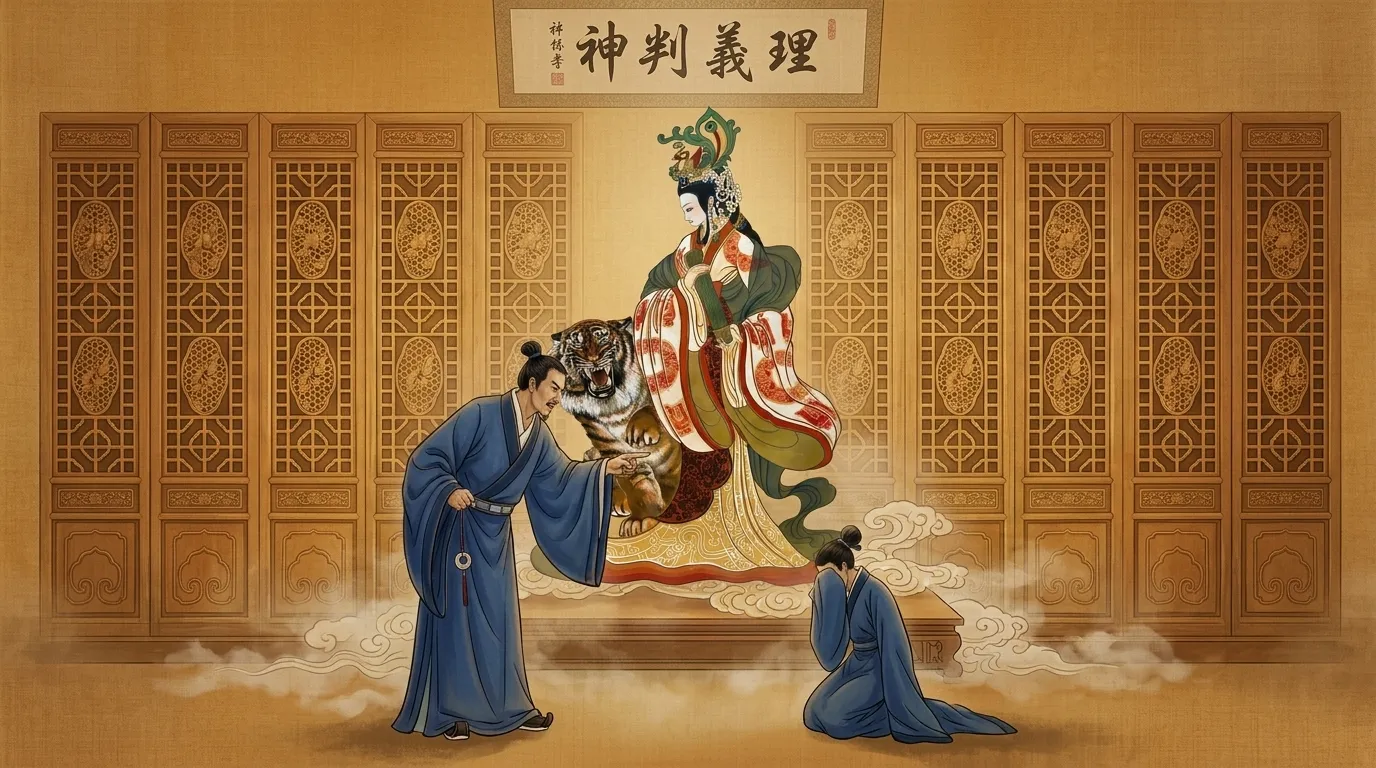
Women in the Han Dynasty, During the Han Dynasty (206 BC–220 AD), women faced numerous challenges that reflected a strong patriarchal social structure. While the Han Dynasty gained fame for cultural and scientific achievements in China, women often occupied subordinate positions in daily life. For instance, social norms dictated their behavior, and even though Han law offered some protections, authorities rarely enforced them. Consequently, women navigated a world structured heavily in favor of men.
Confucian Norms and Women’s Position
First, Confucian principles shaped both family life and societal expectations. According to these teachings, men held authority, and women followed the system of “sancong,” which required obedience to their father before marriage, their husband after marriage, and their son after the husband’s death. Moreover, society viewed this framework as morally correct rather than merely traditional. As a result, women constantly balanced expectations of loyalty and obedience while trying to assert limited personal choices. In addition, families often monitored women closely to ensure compliance, further reinforcing male dominance in every aspect of life.
Social Pressure and Domestic Violence
Furthermore, although Han law forbade husbands from physically abusing their wives, social norms frequently reinforced male authority. Courts rarely supported women in cases of domestic violence, as evidence depended heavily on patriarchal family testimony. Consequently, women who resisted or questioned authority faced societal condemnation and risked alienation. Therefore, social pressures functioned as another form of oppression, creating an environment where women lived under constant scrutiny and control.
Marriage and Family Constraints
In addition, marriage practices amplified women’s vulnerability. Families typically arranged marriages with little input from the women themselves. Widows encountered severe restrictions; if they returned to their birth families, they often had to pay ransoms, while their children remained with their husbands’ families. These constraints denied women autonomy over both personal and family matters. Moreover, this dependence reinforced male control, leaving women with limited options for independence or self-determination.
Limited Opportunities for Women
On the other hand, some women found ways to gain social or economic roles. For example, women could become skilled weavers, small traders, or respected medical practitioners in local communities. Nevertheless, opportunities remained far more limited than those available to men. Moreover, women faced societal pressure to produce male heirs, and those who failed often suffered marginalization. Clearly, social discrimination served as a form of daily oppression, even when physical violence did not occur.
Influence within the Imperial Court
Interestingly, a few women in the Han Dynasty managed to influence political decisions within imperial families. Their actions demonstrate that women could exert power and shape society despite rigid social norms. Yet, the majority of women continued to experience intense pressure, strict control, and limited freedom. Consequently, these stories reveal both the restrictive nature of the patriarchal system and the resilience women displayed to navigate it.
Conclusion
In conclusion, examining the lives of women in the Han Dynasty highlights how deeply cultural norms shaped daily life and gender roles. Women lived amid social control, cultural expectations, and constrained freedoms. While a few achieved recognition and influence, most confronted strict obedience and persistent social pressure. Therefore, understanding this history provides insight into the complex reality of gender dynamics in early imperial China, emphasizing both oppression and the capacity for resilience.

Leave a Reply