-

Fu Poetry in the Han Dynasty: The Classical Literary Art of Ancient China
Introduction: Understanding Fu Poetry in Han Literature Fu poetry, in the Han Dynasty stands as one of the most influential forms of classical Chinese literature. The Han period (206 BCE–220 CE) shaped this unique literary style, and writers used Fu to express ideas with richness, rhythm, and vivid detail. Unlike short and simple poems, expands…
-
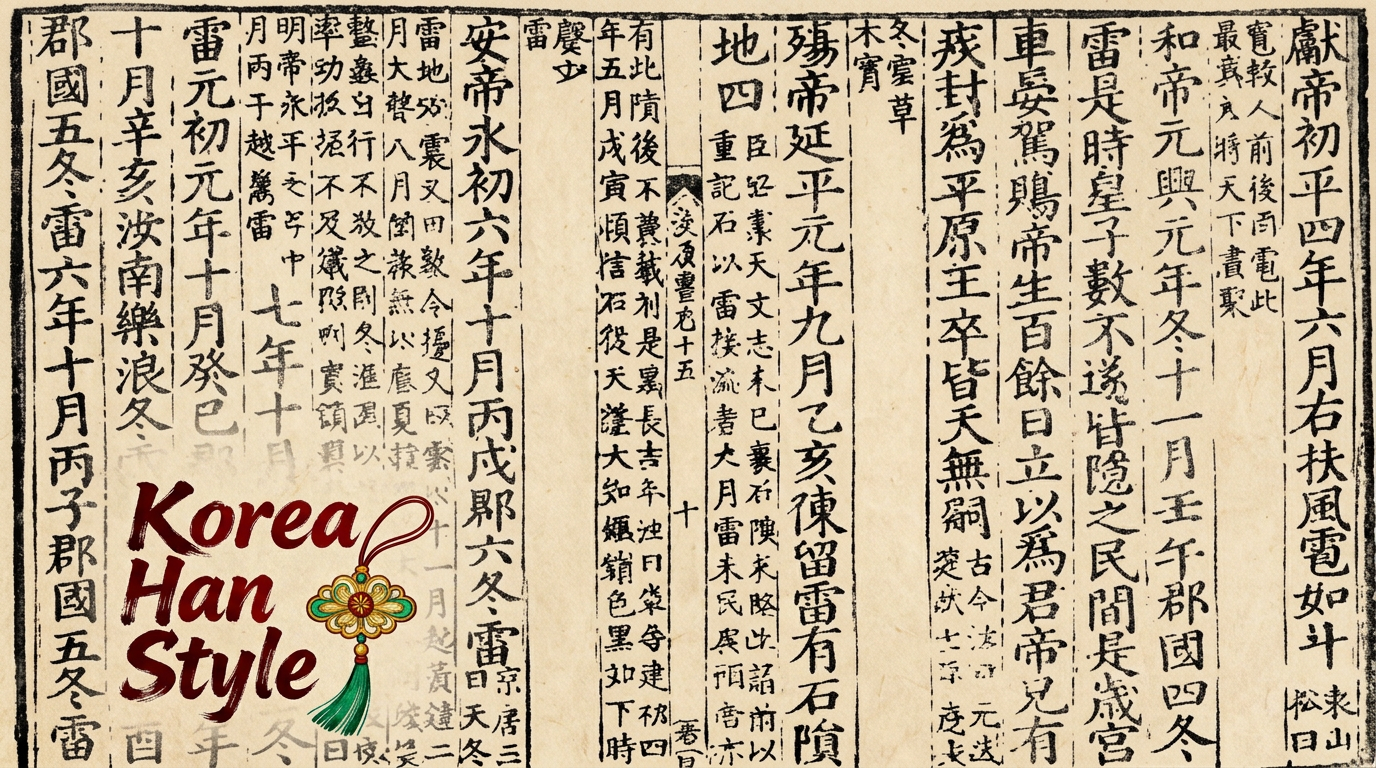
Literature of Hanshu in the Han Dynasty
The Hanshu (Book of Han) stands as one of the most important literary and historical works from the Han Dynasty (206 BCE – 220 CE). Ban Gu wrote this text to document the history of the Western Han Dynasty in a clear and organized form. 1. Purpose of Hanshu Ban Gu wrote the Hanshu to…
-
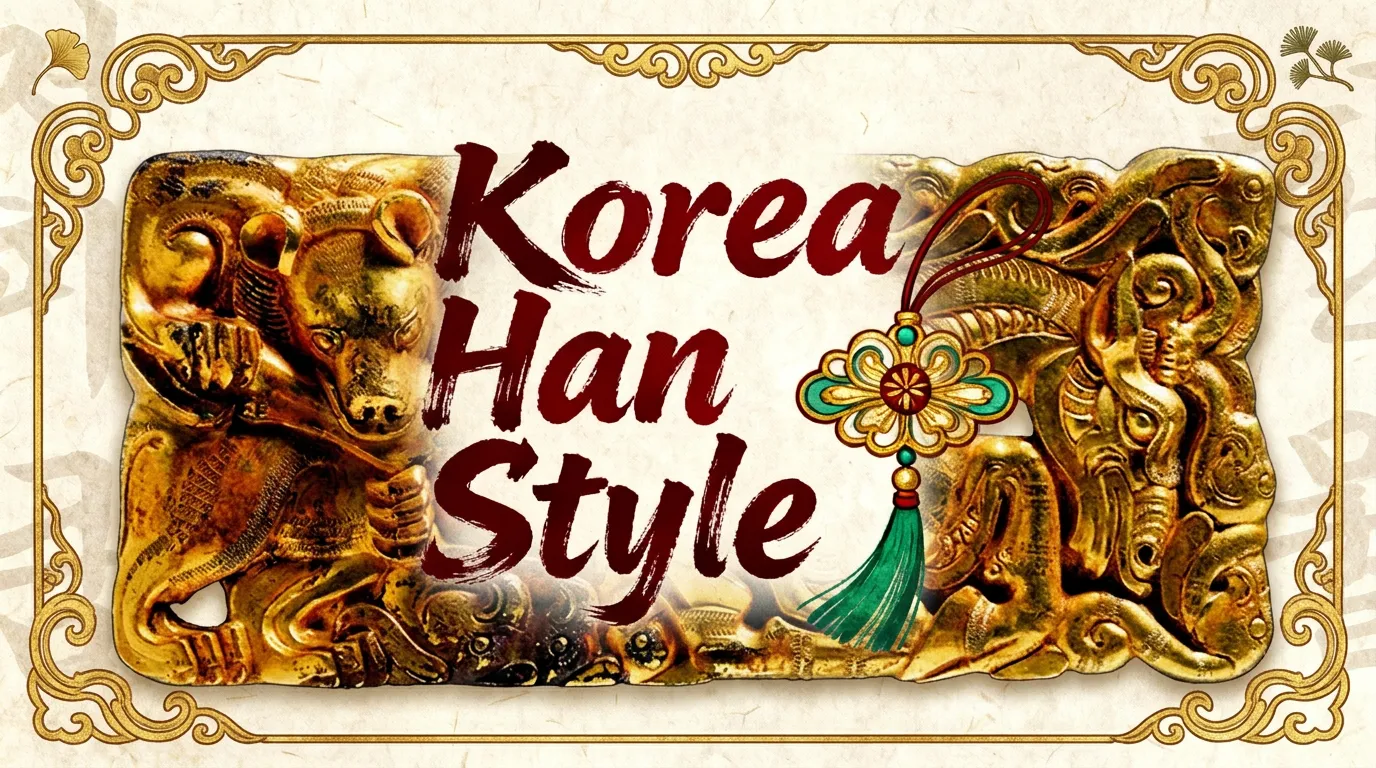
Han Dynasty art powerful artistic tradition in ancient China
Introduction to Han Dynasty Art The Han Dynasty art, built a powerful artistic tradition in ancient China. Han artists combined philosophy, political authority, and daily life into strong visual works. They used materials such as bronze, jade, wood, and silk to express social status and spiritual beliefs. The Han government actively supported art production to…
-

Introduction: The Majestic Setting of Mount Wuyi in the Han Dynasty
During the Han Dynasty, the Mount Wuyi Han Dynasty, region in southeastern China presented a powerful and untouched natural landscape. Thick forests covered the mountains, clear rivers carved through deep valleys, and mist often wrapped the peaks. People during that time viewed this area as both mysterious and sacred. The natural environment shaped daily life,…
-
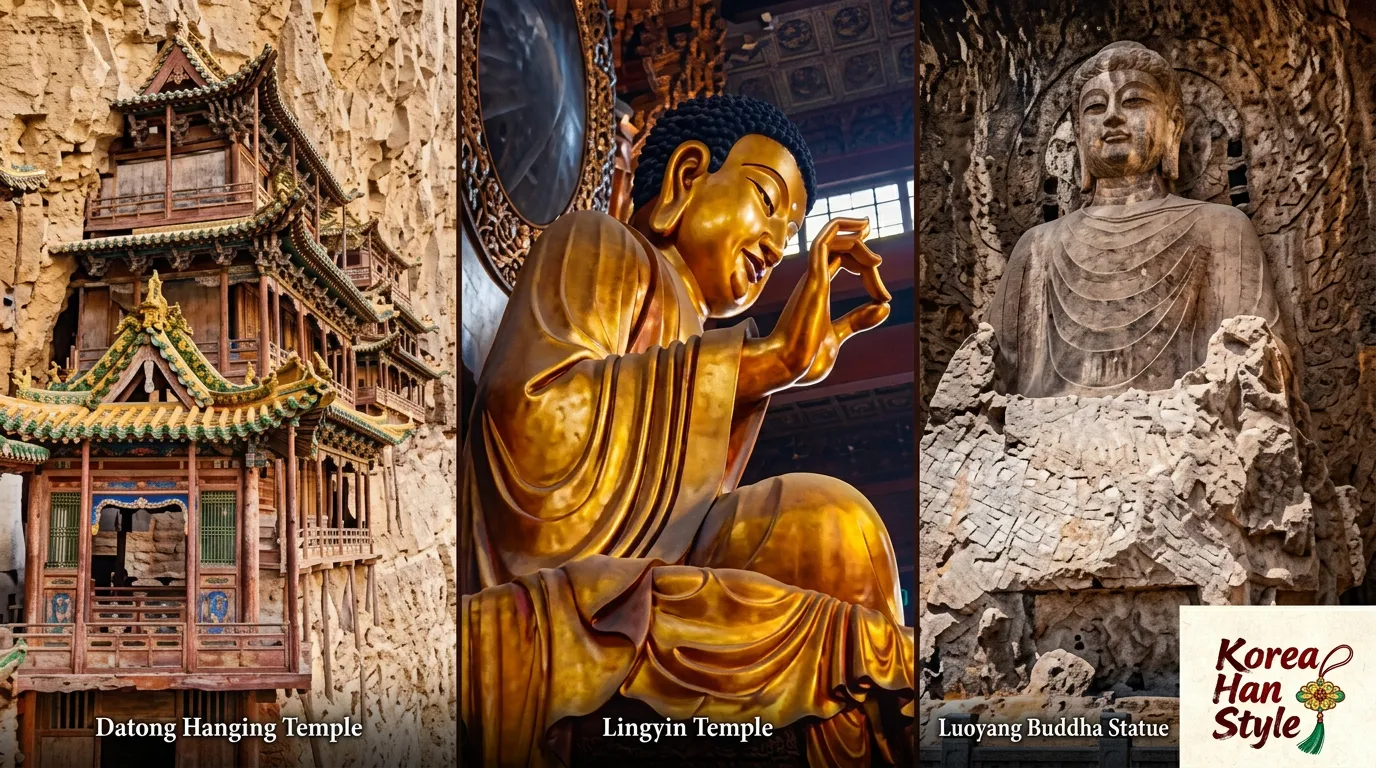
Chinese adaptation Further Development of Buddhism after Its Arrival in the Han Dynasty
Introduction Chinese adaptation, After Buddhism entered China during the Han Dynasty, the religion did not remain in a simple introductory stage. Instead, Buddhism expanded through gradual adaptation, translation, and social acceptance. The late Han period created conditions that supported its deeper spread across Chinese society. Expansion through Translation Work Buddhism grew stronger when translators produced…
-
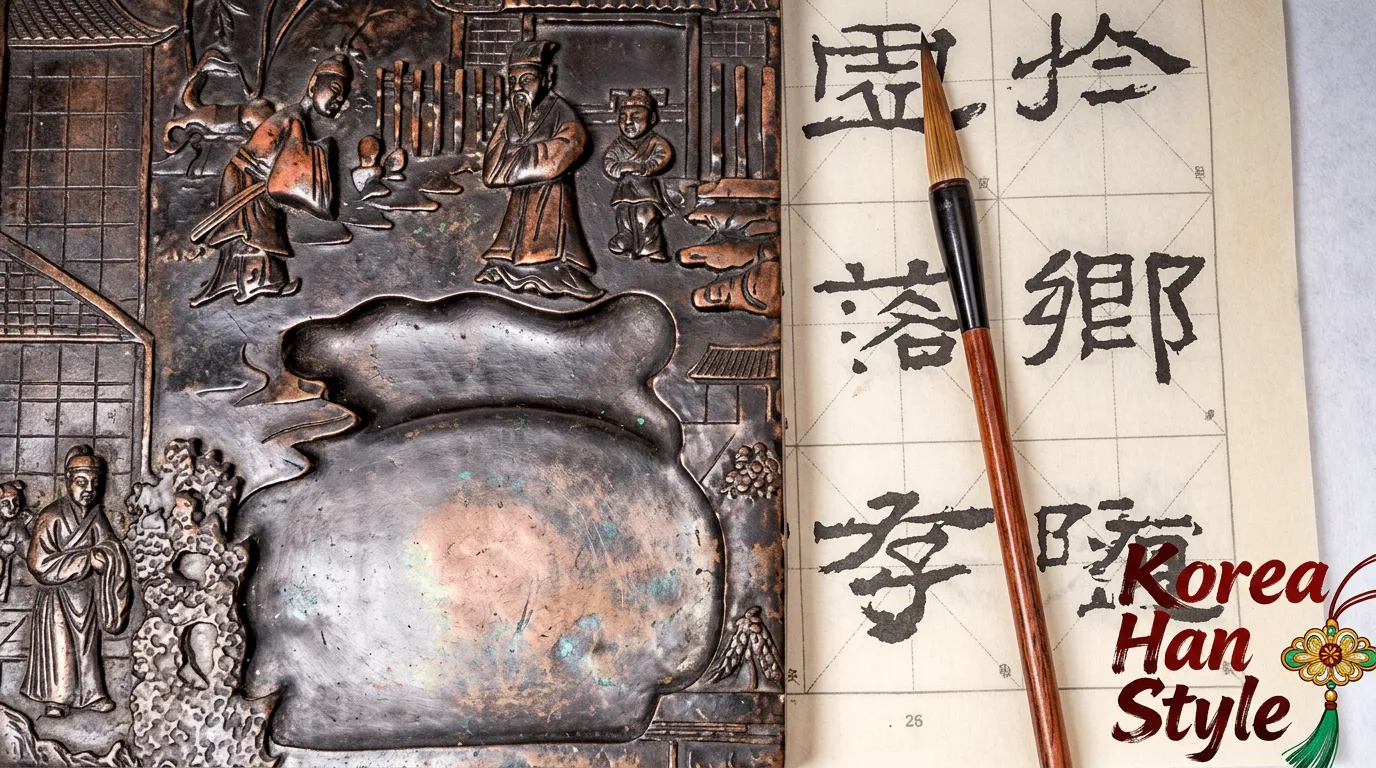
Literature in the Han Dynasty: Development, Characteristics, and Lasting Influence
Han Dynasty Literature Overview Historical Background Han Dynasty Literature, (206 BCE–220 CE) shaped Chinese literature through strong state support and growing intellectual activity. Scholars actively wrote, debated, and taught ideas that guided governance and society. The court encouraged writing, so literature expanded quickly across political and cultural life. State and Writing Growth Han rulers promoted…
-
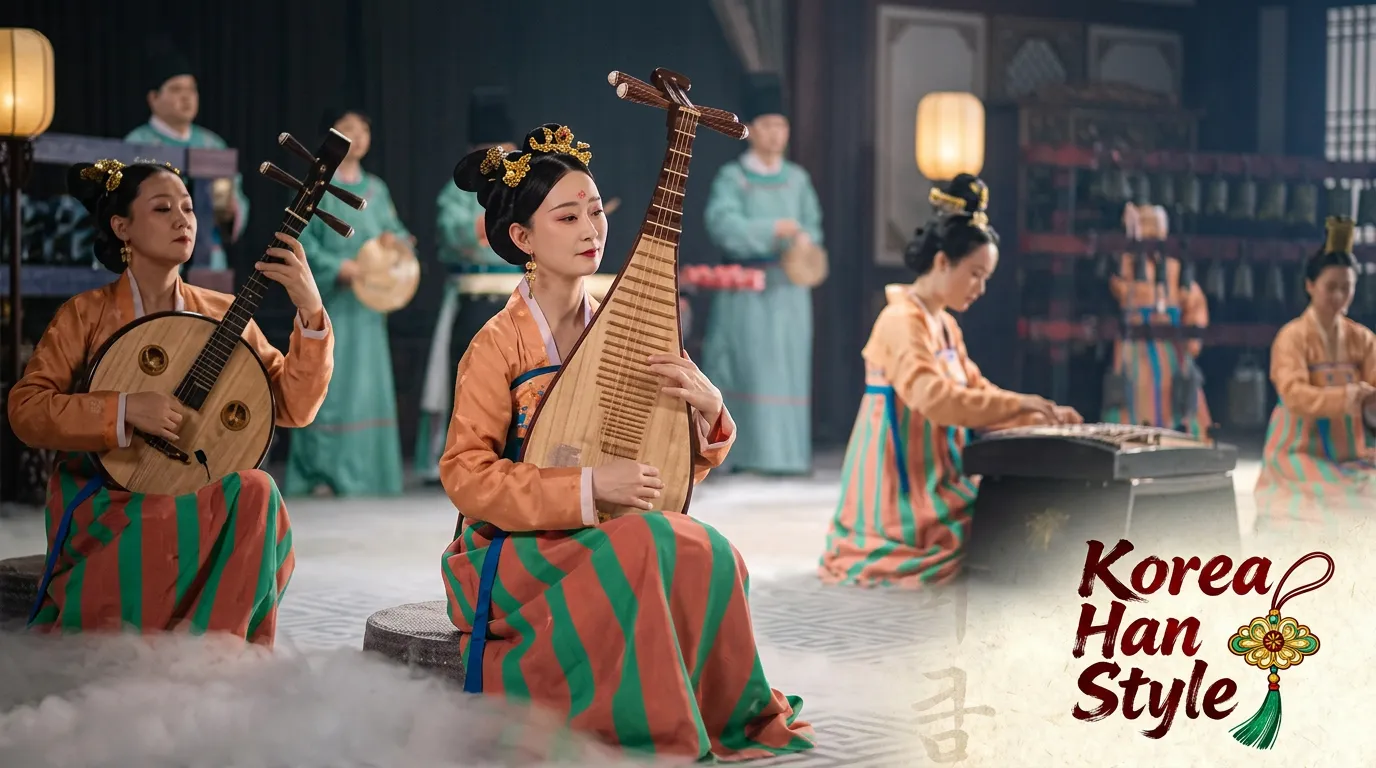
Music of Qit’a in the Han Dynasty Era
Introduction to Qit’a Music Tradition Music Qit’a in the Han Dynasty, developed as an essential part of cultural life in ancient China. Musicians used Qit’a-style string instruments to create refined melodies that shaped court rituals, education, and social values. This musical tradition influenced both the imperial court and everyday life, and it reflected the philosophical…
-
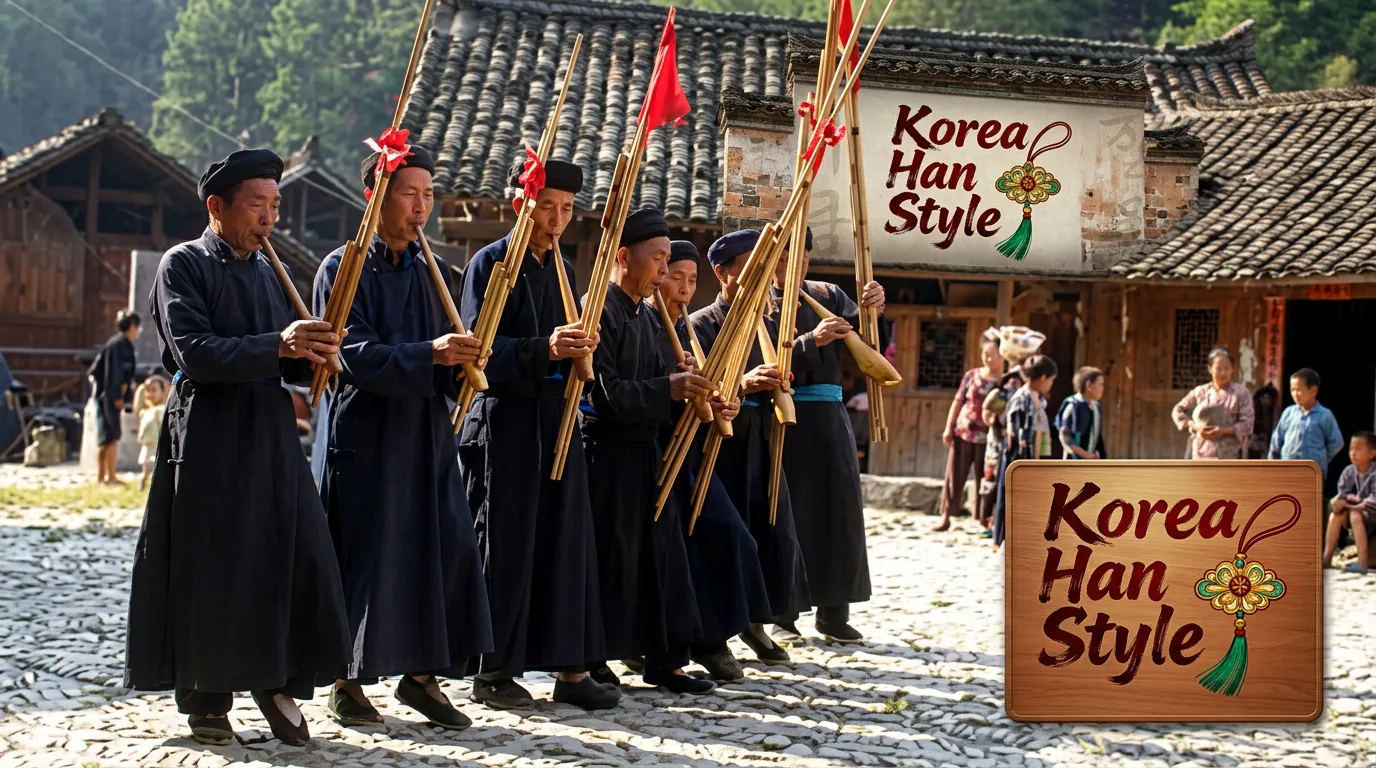
Guchui Music in the Han Dynasty Era
Introduction to Guchui Music Guchui music, developed strongly during the Han Dynasty in ancient China. This tradition combines wind and percussion instruments to create a powerful and majestic sound. Han society used in many official events and important ceremonies. This music served not only as entertainment but also as a symbol of authority and state…
-
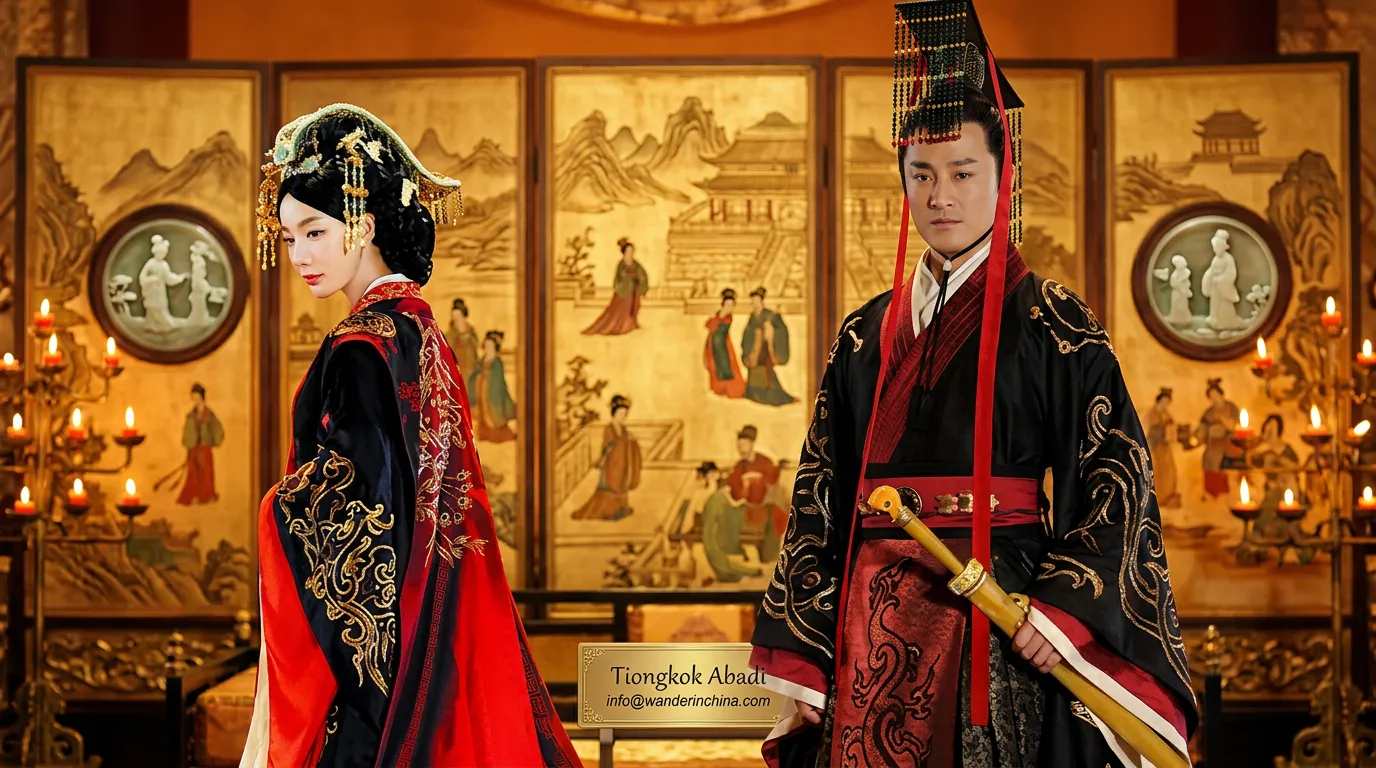
The Development of the Clothing Industry in the Era of the Han Dynasty
The clothing industry, during the era of the Dinasti Han played a crucial role in shaping ancient China’s economy, culture, and global trade influence. This period transformed clothing from a basic necessity into a powerful symbol of social identity, economic strength, and political authority. Strong governance and economic stability encouraged rapid growth in textile production…
-
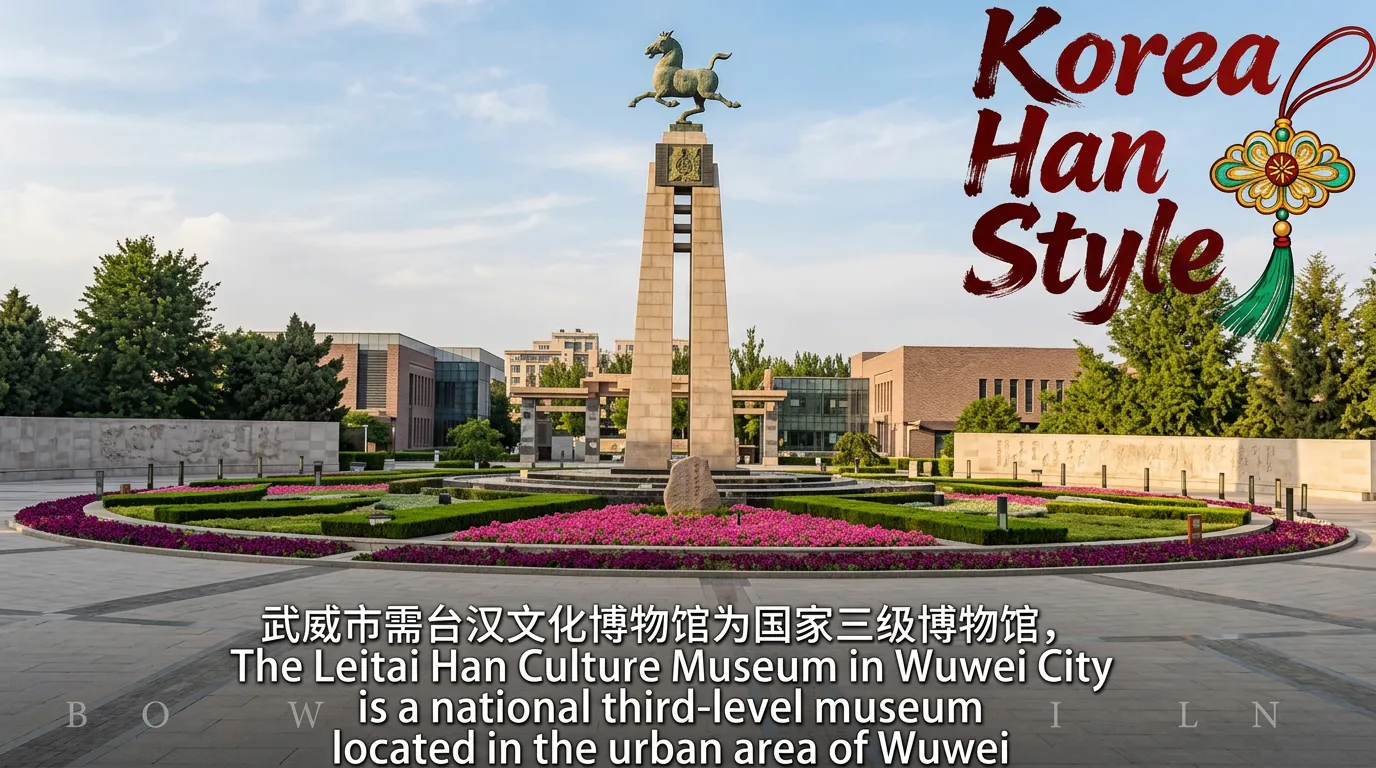
Rare Natural Heritage from the Han Dynasty
Han Dynasty natural heritage, (206 BC – 220 AD) left more than political and cultural marks; it also shaped unique natural heritage that remains hidden today. Archaeologists and historians rarely discover these treasures, making them some of the most fascinating and rare remnants of ancient China. Ancient Bamboo Forests for Paper Making Bamboo forests provided…
Han Style | 전통문화종합정보
