-
The Yuèfǔ Music in the Han Dynasty
Yuèfǔ music Han Dynasty, During the Han Dynasty (206 BCE – 220 CE), music played a crucial role in politics, society, and culture. One of the most prominent forms of music at this time was Yuèfǔ, which literally means “Music Bureau.” The government created this bureau to collect, compose, and supervise songs and poetry. Officials…
-

Treasures of the Han Dynasty: Artifacts Sought in Modern Times
The Han Dynasty (206 BCE – 220 CE) remains one of China’s most celebrated historical eras, leaving behind a rich legacy of art, culture, and innovation. Today, collectors, historians, and treasure hunters actively seek Han Dynasty artifacts, driven by their historical value, intricate craftsmanship, and rarity. These artifacts offer a tangible link to a civilization…
-
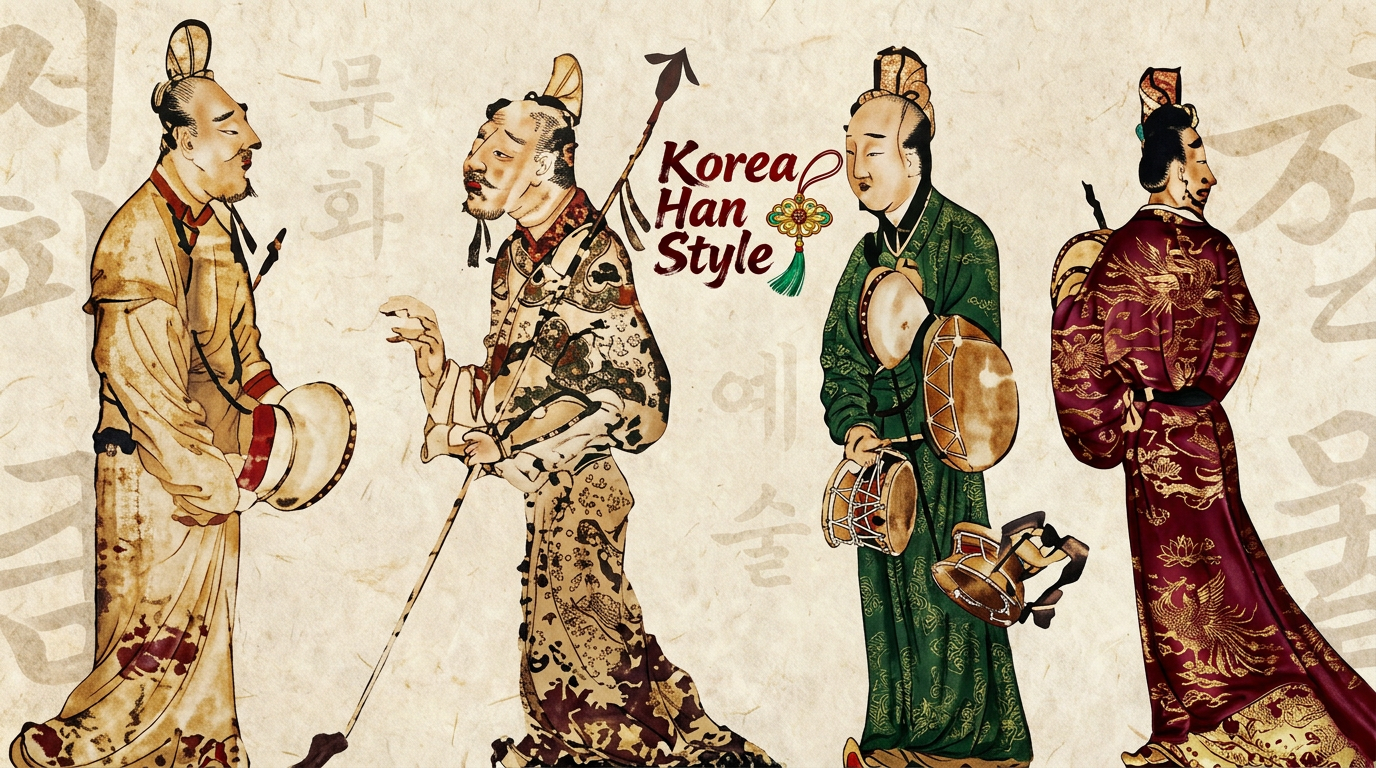
Exploring Abstract Painting in the Han Dynasty: Ancient Traces of Artistic Expression
The Han Dynasty,(206 BCE – 220 CE) stands as one of the most influential periods in Chinese cultural history. Alongside advances in philosophy, literature, and technology, this era laid the foundation for complex visual arts. Among various art forms, abstract painting in the Han Dynasty reveals how human creativity exceeded literal representation and explored deeper,…
-
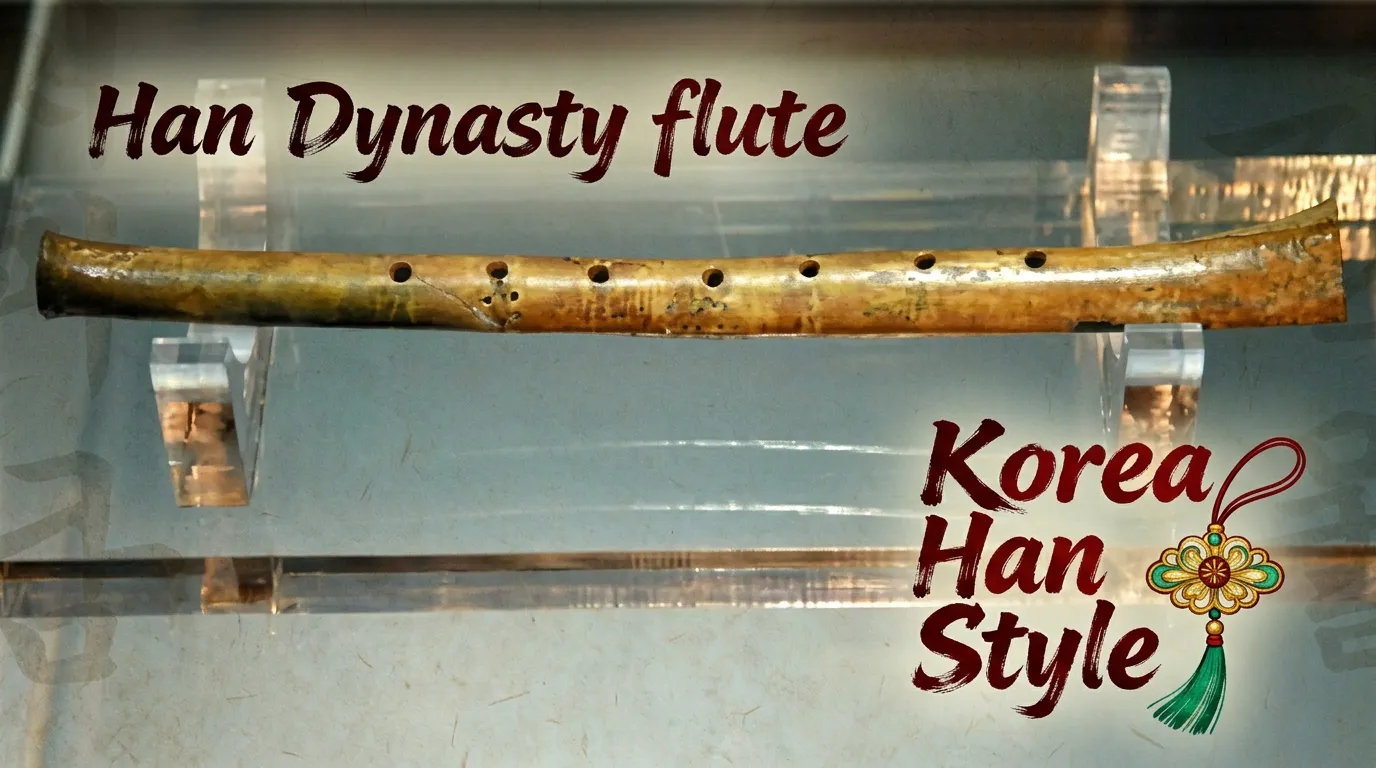
Han Dynasty Flute: The Living Harmony of Ancient Chinese Music
Han Dynasty flute, Music shaped daily life during the Han Dynasty (206 BCE–220 CE). Artists, nobles, and common people embraced sound as a powerful form of expression. Among many instruments, the flute stood out with its soft, emotional tone and deep cultural meaning. This article explores the role, types, craftsmanship, and influence of the flute…
-
The Most Flourishing Language During the Han Dynasty, Classical Chinese.
The Han Dynasty, (206 BCE – 220 CE) marked one of the most remarkable eras in Chinese history, not only for its political and economic achievements but also for its cultural and linguistic development. During this period, the Chinese language underwent significant evolution, laying the foundation for the written and spoken forms that would influence…
-
Hanji: A Key Invention of the Han Dynasty
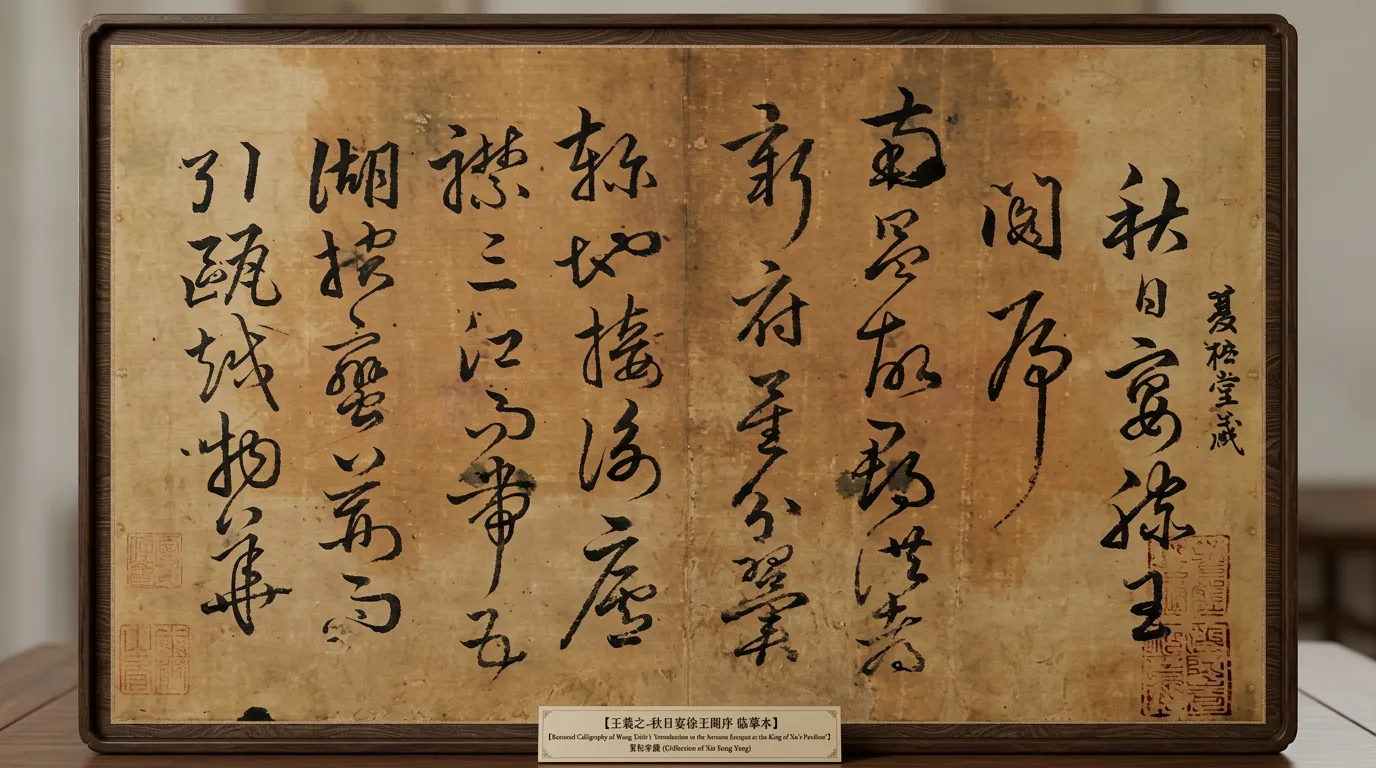
Hanji, became one of the most important inventions in Chinese history. During the Eastern Han Dynasty (25–220 CE), Cai Lun, an imperial official, developed a method to make paper from plant fibers, tree bark, and recycled cloth in 105 CE. This innovation transformed the way people recorded information, replacing heavier and less practical writing materials…
-
Oppression and the Reality of Women’s Lives in the Han Dynasty
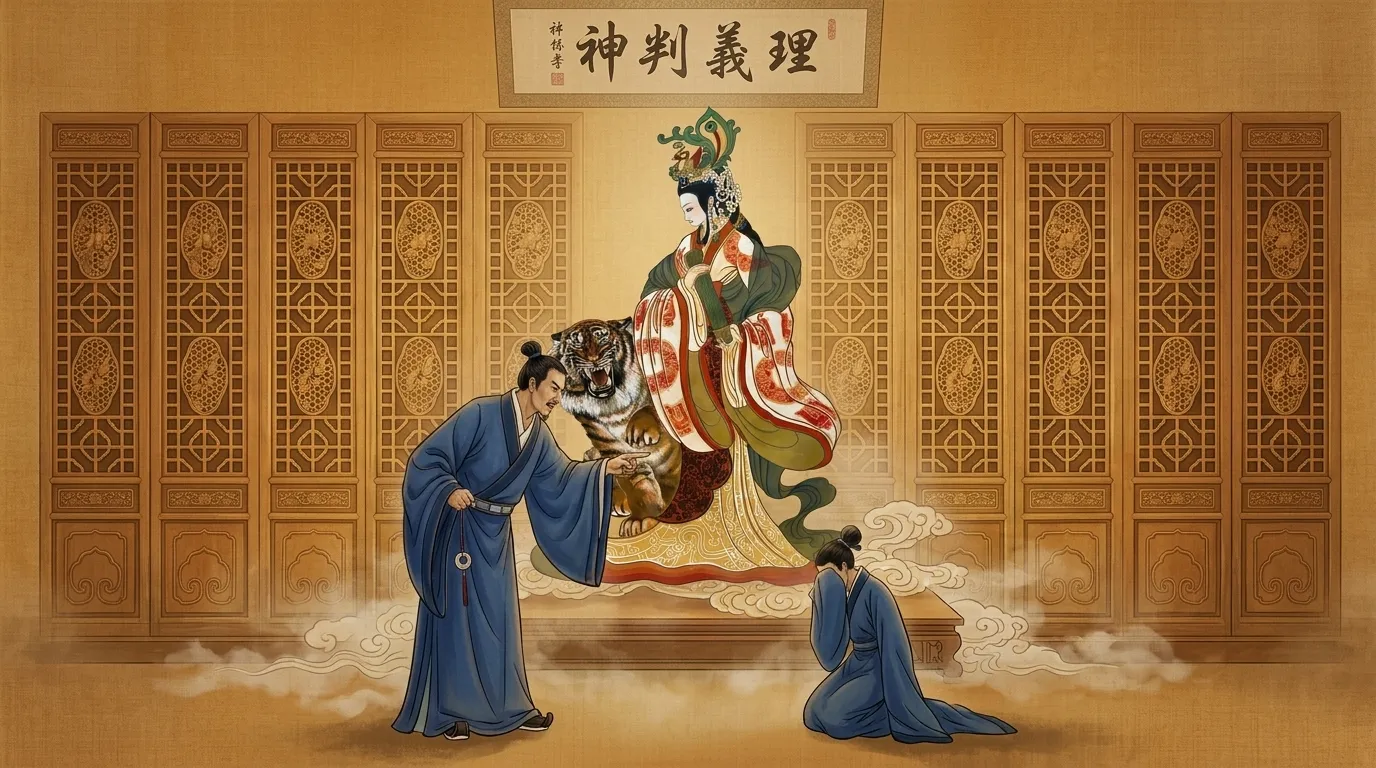
Women in the Han Dynasty, During the Han Dynasty (206 BC–220 AD), women faced numerous challenges that reflected a strong patriarchal social structure. While the Han Dynasty gained fame for cultural and scientific achievements in China, women often occupied subordinate positions in daily life. For instance, social norms dictated their behavior, and even though Han…
-

The Enchanting Legacy of Yayue Music in the Han Dynasty
Yayue music, Music has always played a central role in Chinese civilization, serving as a bridge between culture, philosophy, and governance. Among the most revered musical traditions during the Han Dynasty (206 BCE – 220 CE) was Yayue, a ceremonial form of classical music that reflected the values, hierarchy, and spiritual beliefs of the time.…
-
Seductive Art Styles and Female Themes in the Han Dynasty
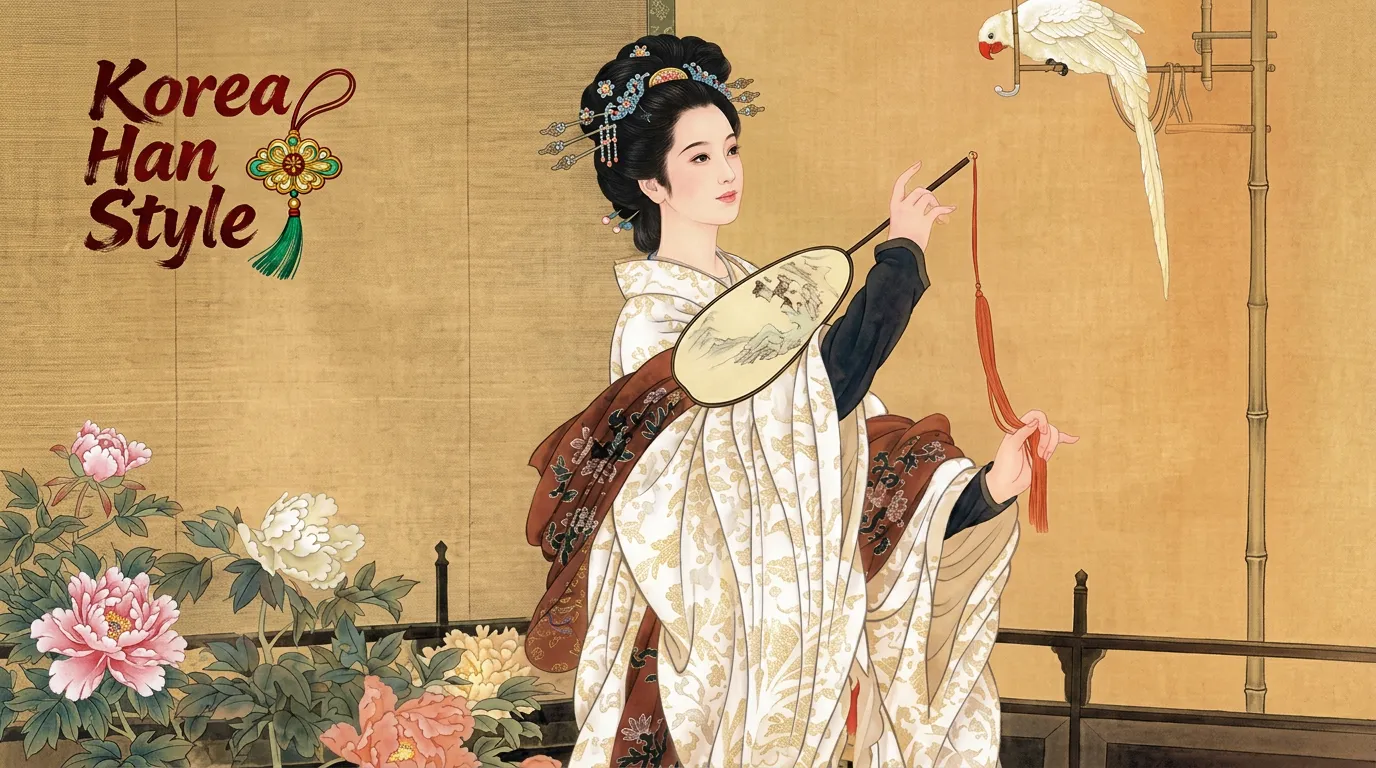
Han Dynasty art, (206 BCE – 220 CE) represents one of China’s most influential eras, not only in politics and culture but also in art. Among the most fascinating aspects of Han art is its portrayal of women. Artists skillfully combined elegance, allure, and symbolism to create imagery that both celebrated and idealized feminine beauty.…
-
Introduction to Excellent Korean Spaces: Culture, Design and Innovation
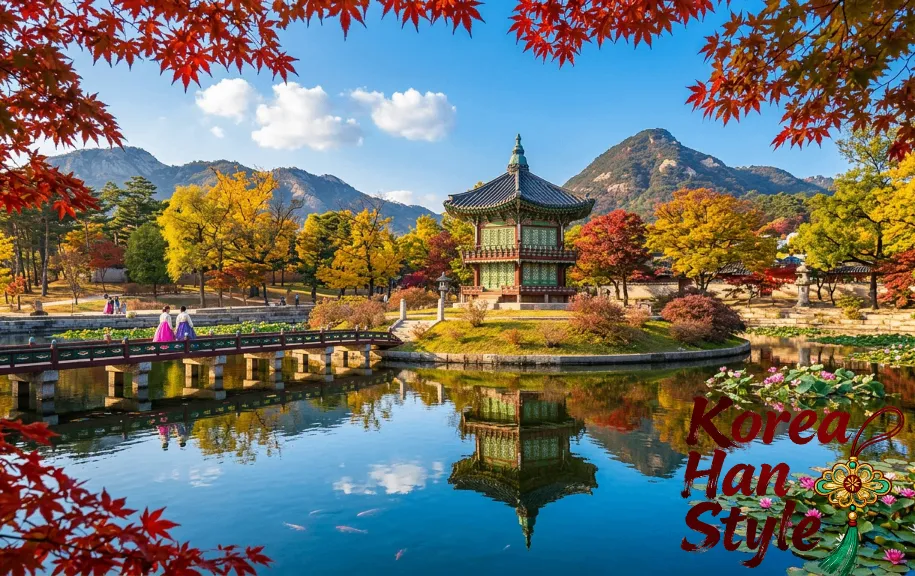
Excellent Korean Spaces, are more than just locations; they are immersive experiences blending culture, aesthetics, and modern innovation. From traditional hanok houses to sleek cafés and coworking spaces, Korea offers a unique approach to designing spaces that reflect both history and contemporary lifestyle. Understanding these spaces opens a door to appreciating Korea’s vibrant culture while…
Han Style | 전통문화종합정보
