-

The Origins of Guqin in the Han Dynasty
Han Dynasty guqin music, served as a symbol of culture and sophistication in ancient China. During the Han Dynasty (202 BCE – 220 CE), scholars and nobles played guqin to calm their minds, sharpen intellect, and express deep emotions. Guqin reflected the harmony between humans and nature, aligning with Confucian and Taoist philosophies that shaped…
-
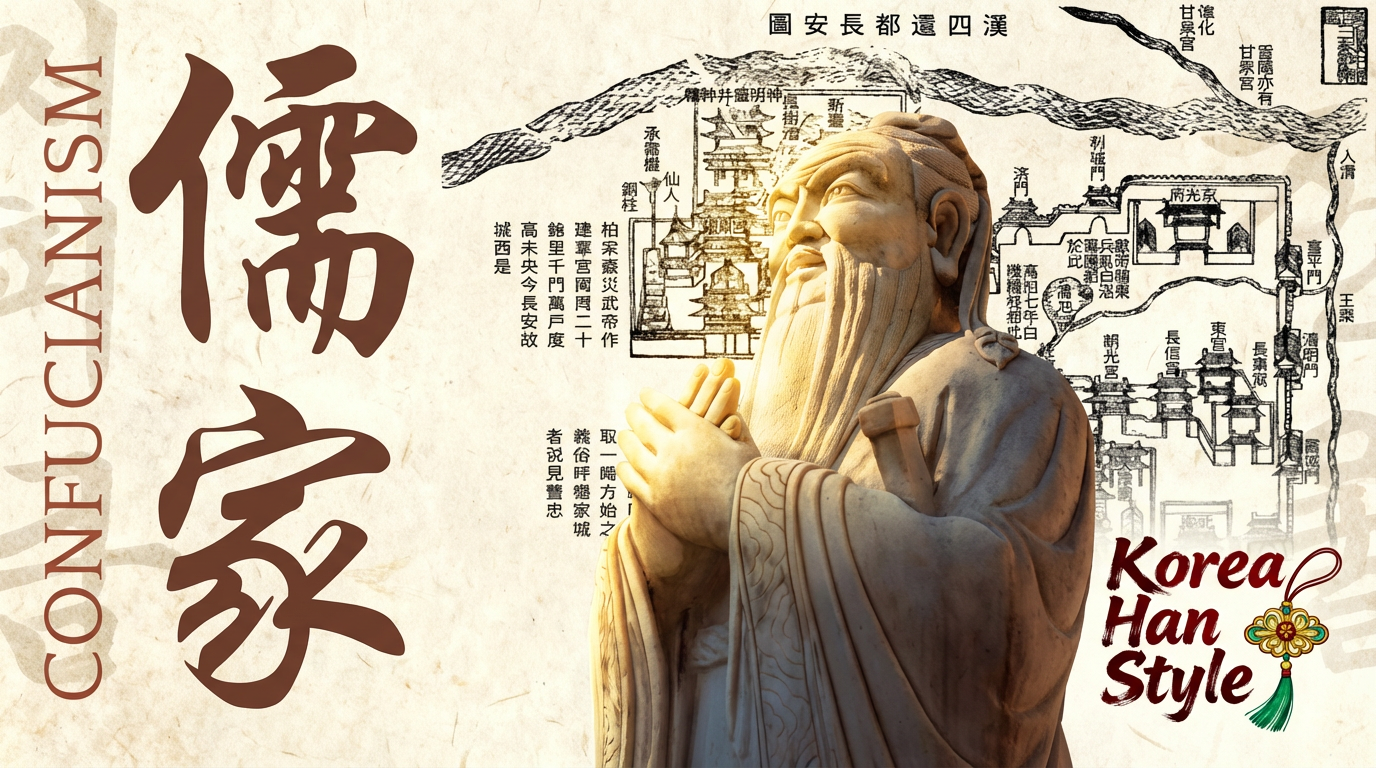
Religion and Ideology in the Han Dynasty: The Foundation of Ancient Chinese Civilization
Han Dynasty Religion and Ideology, (206 BC – 220 AD) marked one of the most significant periods in Chinese history. Beyond technological and administrative advancements, Han society developed religion and ideology that shaped politics, social life, and culture. Understanding these beliefs and systems of thought reveals how the Han Dynasty built stability and a strong…
-

Geography During the Han Dynasty: The Foundation of Ancient China’s Power
Han Dynasty geography, (206 BCE–220 CE) stands as one of the most influential periods in Chinese history. While many historians highlight its political stability and cultural achievements, geography played an equally powerful role. The natural landscape shaped military strategy, strengthened agriculture, and expanded trade networks. In fact, geography directly supported the rise and long-term success…
-
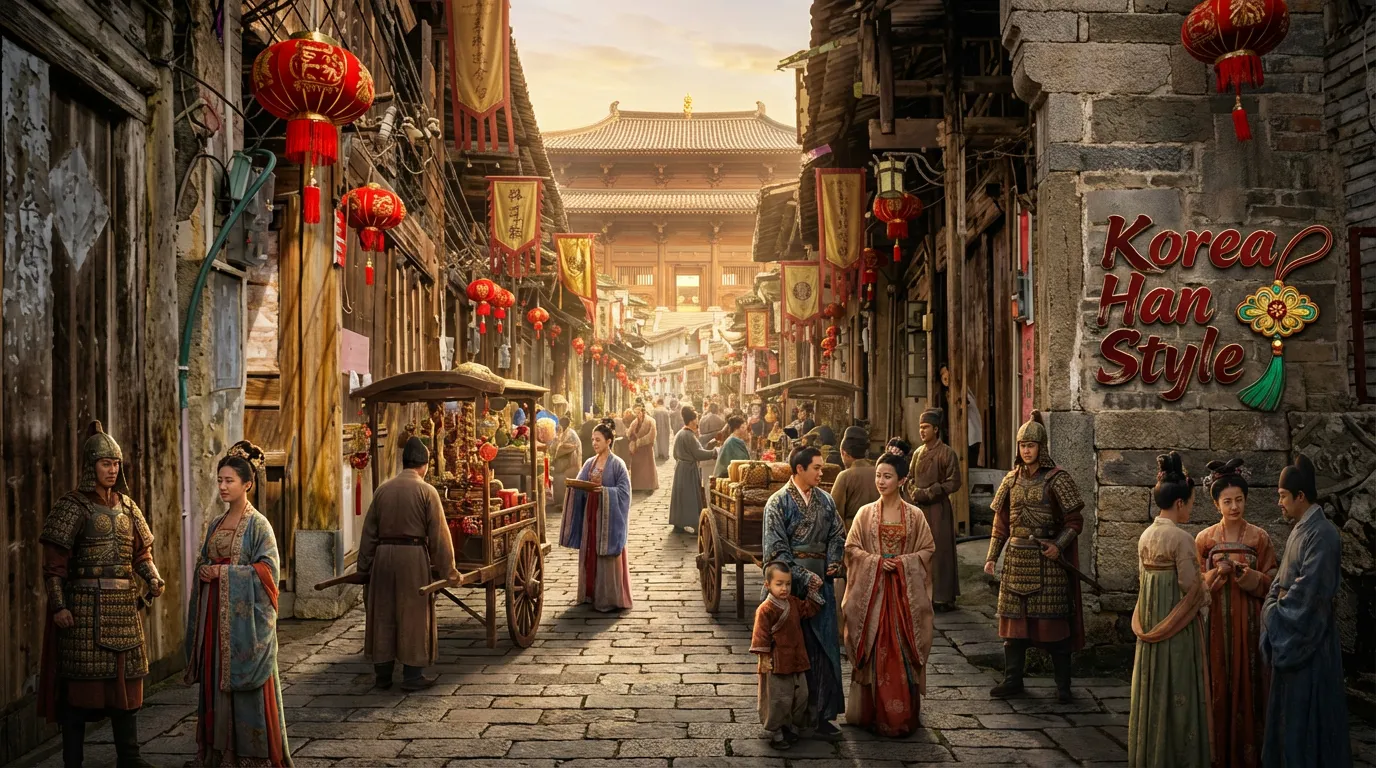
Crafts, Agriculture, and Local Economy
Han Dynasty Traditional Villages, One of the most fascinating aspects of these villages was their emphasis on craftsmanship and agriculture. Residents actively engaged in farming, producing rice, wheat, and millet to sustain their communities. At the same time, artisans honed skills in pottery, bronze casting, silk weaving, and lacquer work. Markets within the villages offered…
-
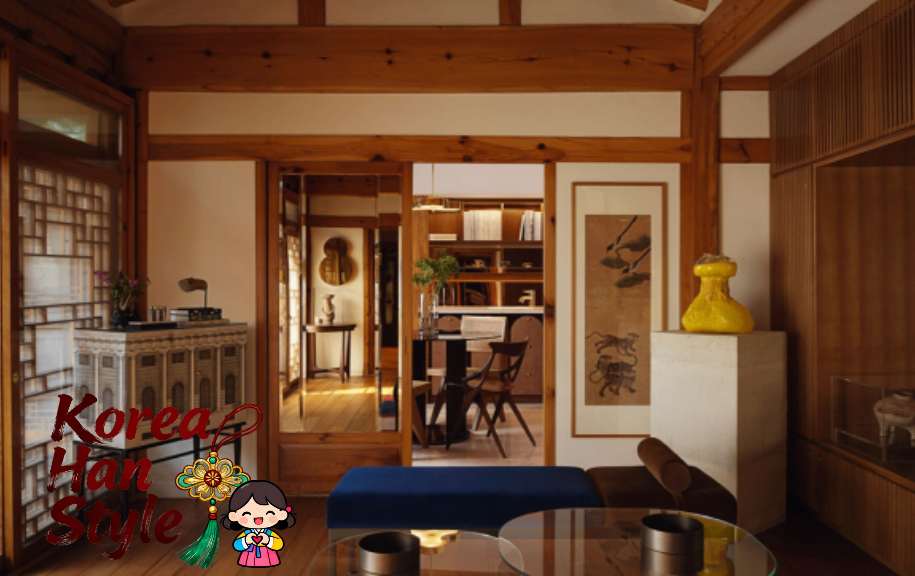
Understanding the Concept of “Korean Style Excellent Space”
Korean Style Excellent Space goes beyond a mere physical area it combines harmony, comfort, and symbolism in spatial design. This concept emerged through cultural exchanges between the Han Dynasty and Korean kingdoms such as Goguryeo and Baekje. Designers emphasized open layouts to maximize airflow, natural lighting, and simple yet elegant furniture arrangements. Key Features and…
-
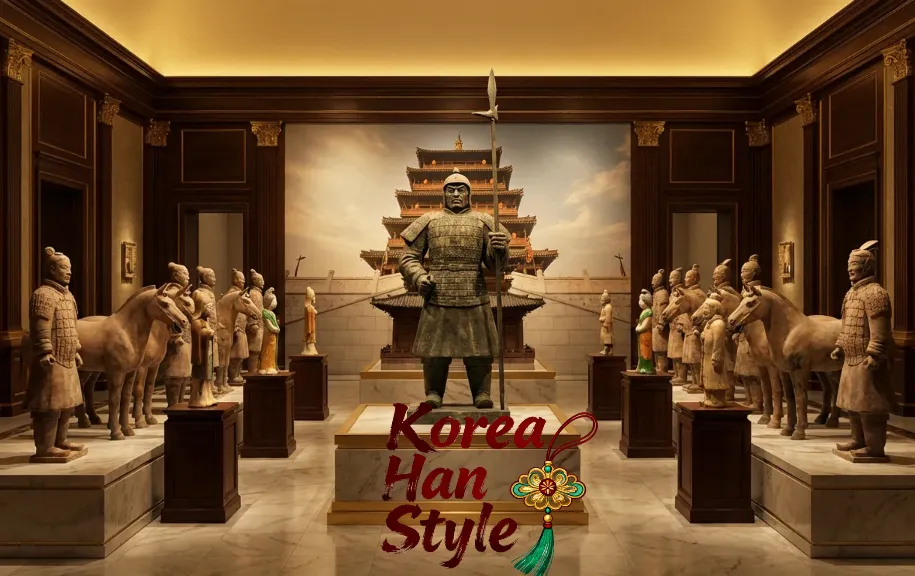
National Heritage from the Han Dynasty: Tracing Ancient China’s Glory
Han Dynasty heritage, (206 BC – 220 AD) is one of the most influential periods in Chinese history. This dynasty is celebrated not only for its political and economic stability but also for its cultural and national heritage, which continues to leave a lasting mark today. The legacy of the Han is evident in art,…
-

Art Style in the Han Dynasty: The Beauty and Philosophy of Ancient Chinese Art
The Han Dynasty (206 BCE to 220 CE) marked one of the most influential periods in Chinese history. Beyond political and economic achievements, the Han people developed rich artistic traditions that influenced Chinese aesthetics for centuries. The art style in the Han Dynasty, reflects a fusion of ancient traditions, cosmopolitan influences, and Confucian philosophy that…
-
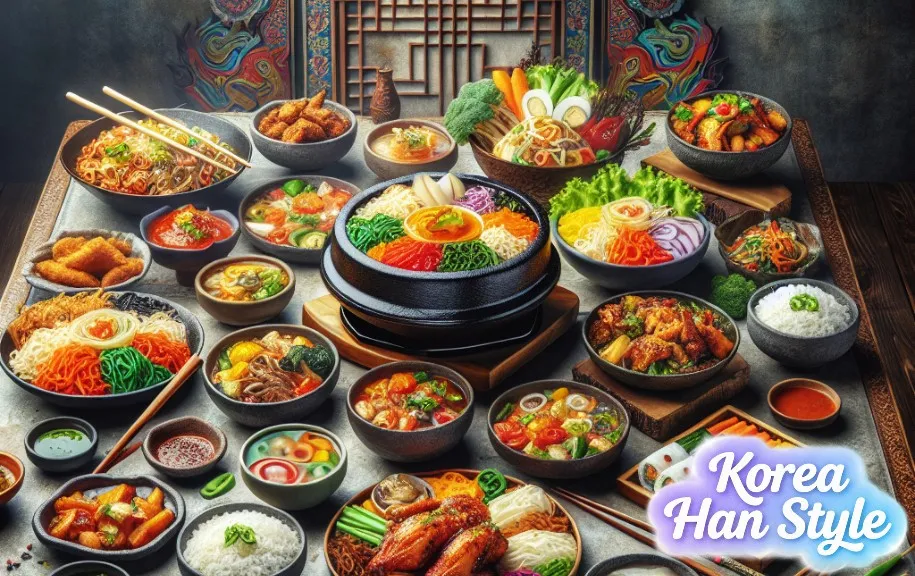
Korean Food During the Han Dynasty: A Captivating Culinary Journey
Korean cuisine has always attracted global attention because of its unique flavors and rich traditions. Interestingly, the roots of Korean food reach far beyond modern times. Historical records reveal significant culinary interactions between Korea and China, particularly during the Han Dynasty (206 BCE – 220 CE). During this period, Korean food evolved by absorbing Chinese…
-
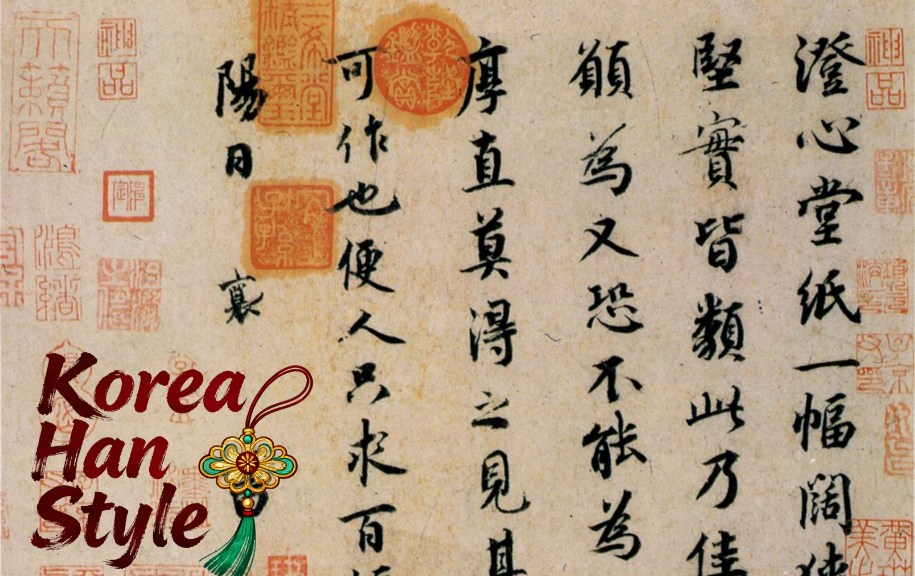
Languages Used and Rarely Used During the Han Dynasty
Han Dynasty language, (206 BCE – 220 CE) is one of the most significant periods in Chinese history. During this era, language was not only a tool for communication but also a reflection of culture, politics, and education. The languages used during the Han Dynasty had unique characteristics in both spoken and written forms, and…
-
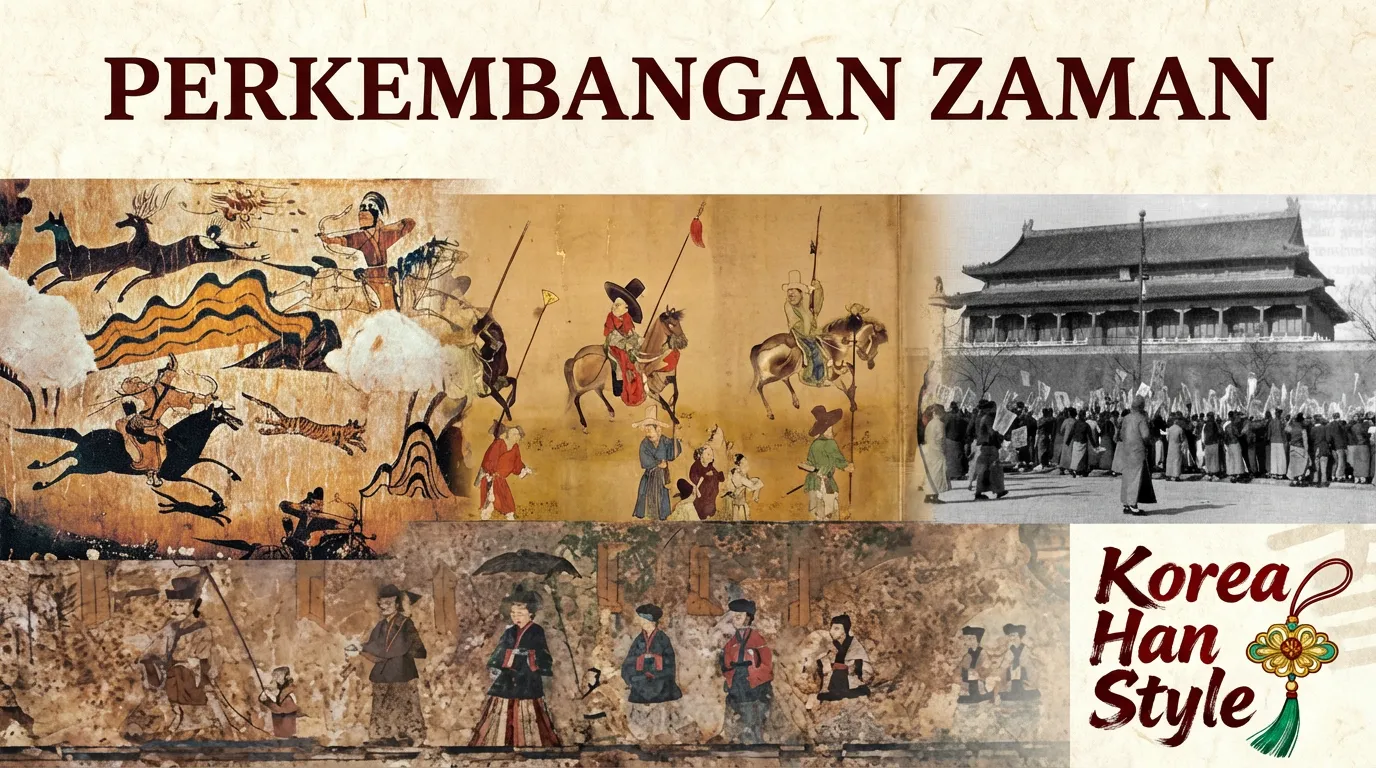
Industry in Korea During the Han Dynasty Era
The Han Dynasty (206 BC – 220 AD) in China had a profound influence on the Korean Peninsula, particularly on early kingdoms such as Goguryeo, Baekje, and Silla. During this period, industry in Korea began to develop as an adaptation of Han technology, while still relying on local resources and traditional skills. This transformation paved…
Han Style | 전통문화종합정보
