-
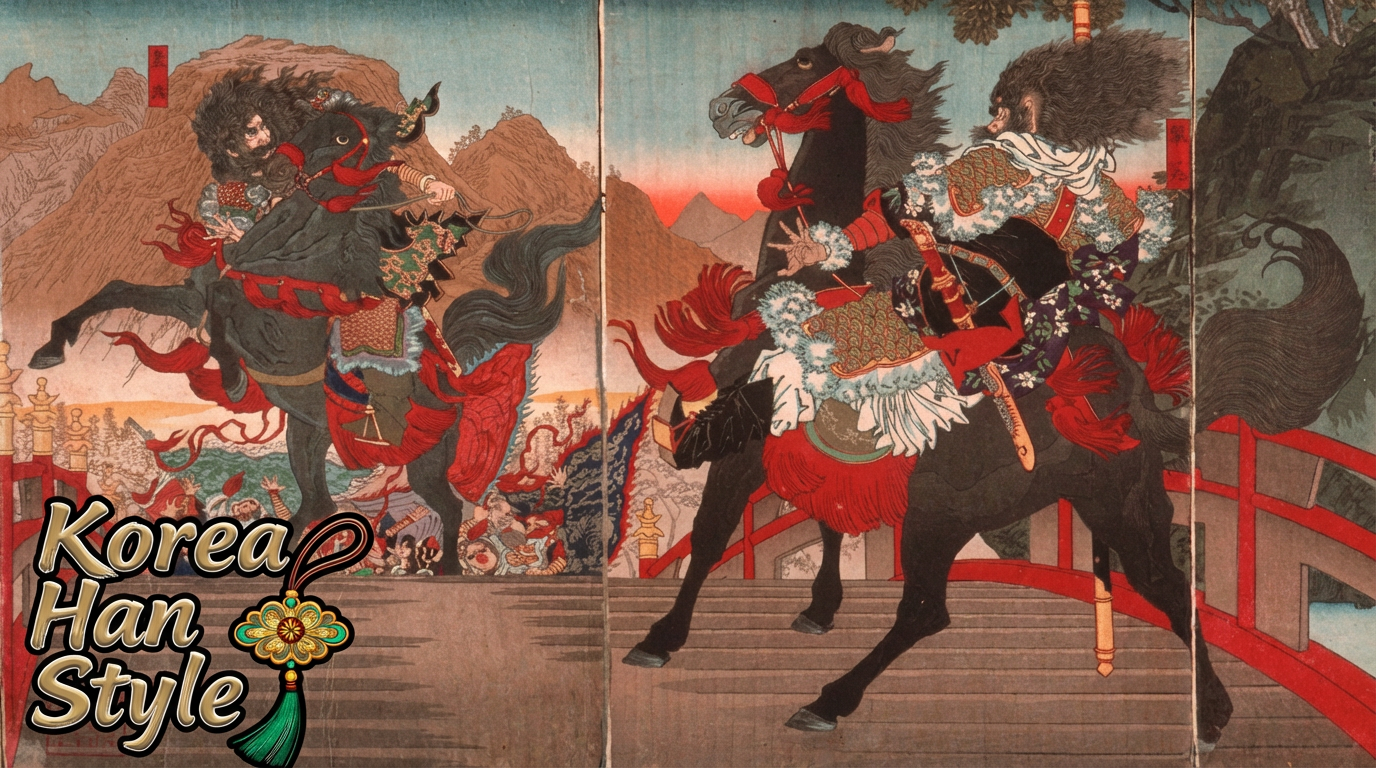
Literature in the Han Dynasty: The Golden Foundation of Chinese Intellectual Tradition
The Han Dynasty (206 BCE–220 CE) shaped one of the most influential literary traditions in world history. During this era, writers, historians, and poets did more than record events they defined cultural identity, refined philosophical expression, and strengthened political ideology. As the empire expanded and stabilized, literature flourished alongside economic growth and intellectual innovation. Consequently,…
-
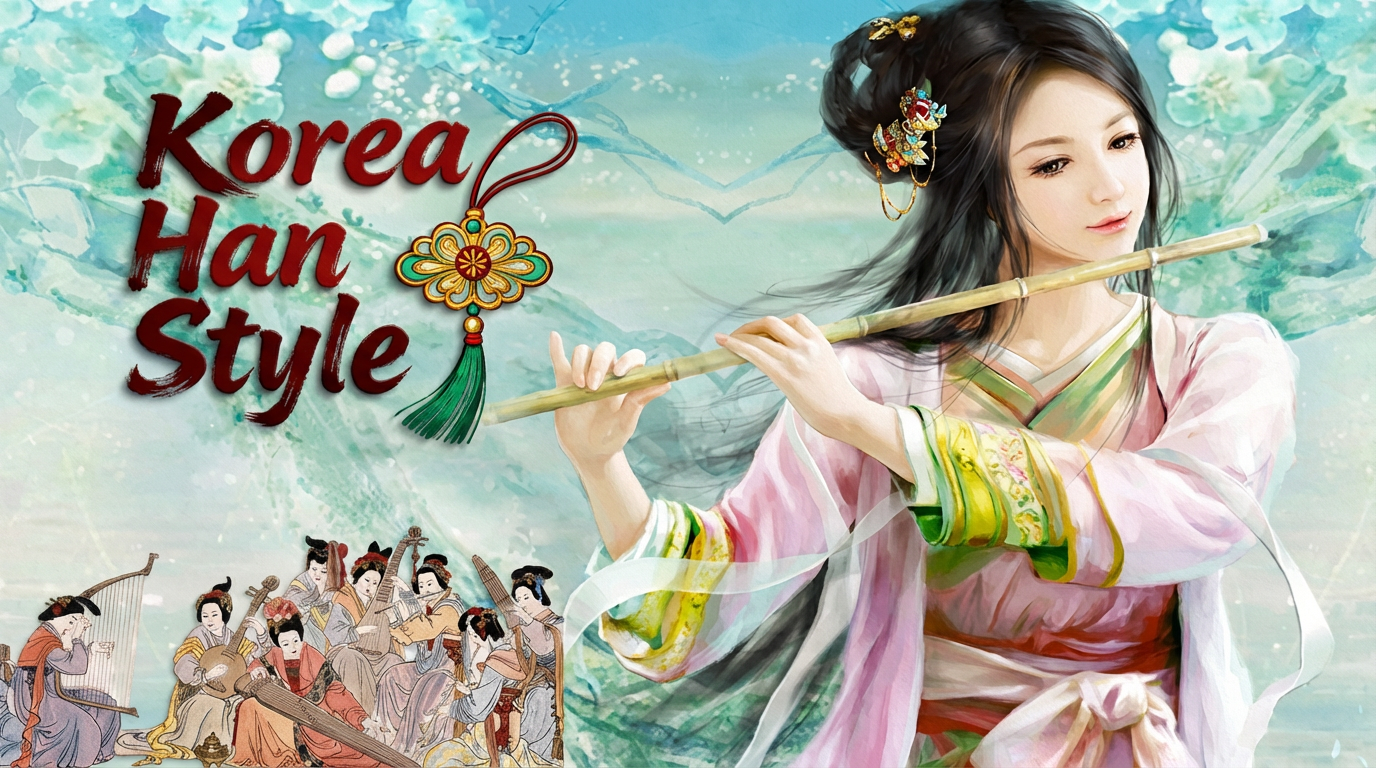
What Is Guchui Music in the Han Dynasty?
Guchui music in the Han Dynasty, refers to a powerful wind and percussion ensemble that flourished during the Han Dynasty. Musicians combined drums, bronze bells, and wind instruments to create bold, rhythmic, and energetic compositions. They performed this music in royal courts, military settings, and public celebrations. From the beginning, Guchui represented authority, unity, and…
-
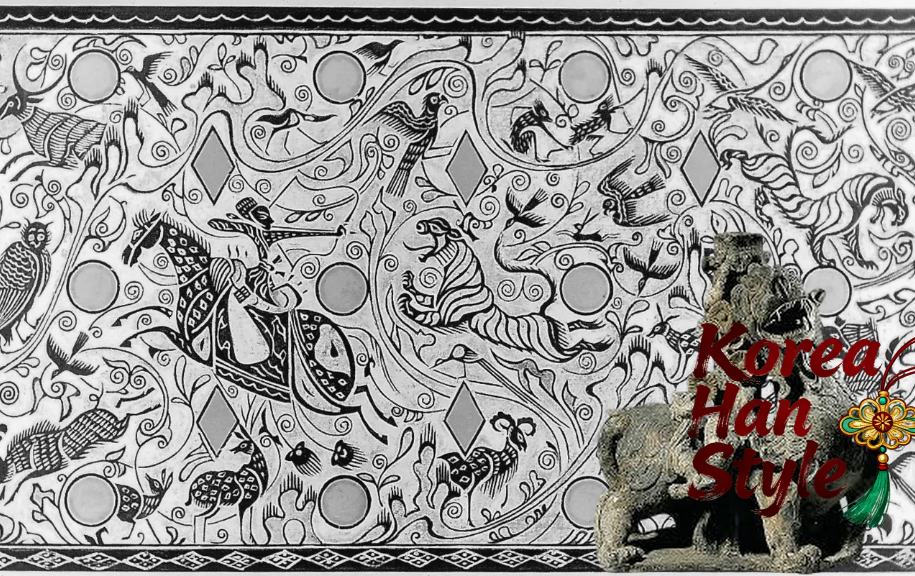
The Artistic Legacy of Han Dynasty Painting: Styles and Techniques
Connection to Nature and Daily Life The Han Dynasty (206 BCE – 220 CE) marked one of the most influential periods in Chinese history, both politically and artistically. During this era, painters transformed painting into a sophisticated form of expression, reflecting cultural values, social hierarchy, and philosophical beliefs. Han Dynasty art, connected strongly to nature…
-
Legends of the Han Dynasty: Stories That Shaped Ancient China
Han Dynasty legends, one of the most influential periods in Chinese history, ruled from 206 BCE to 220 CE. During this era, China experienced remarkable advancements in politics, culture, and technology. People also created numerous legends that reflected their values, beliefs, and imagination. These stories continue to captivate historians, scholars, and enthusiasts of Chinese culture.…
-
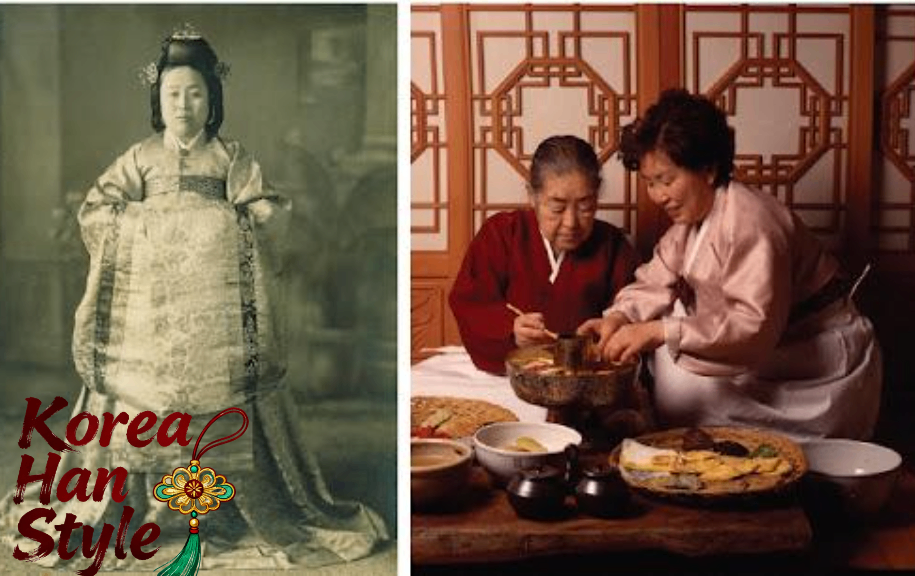
Korean Traditions during the Han Dynasty Era
The history of Korea intertwines closely with its neighbors, especially China. During the Han Dynasty (206 BCE – 220 CE), Korea absorbed cultural and social influences that shaped its traditions and societal practices. While the Han Dynasty ruled China, Korean kingdoms like Goguryeo, Baekje, and Silla developed customs that combined local heritage with foreign inspiration.…
-
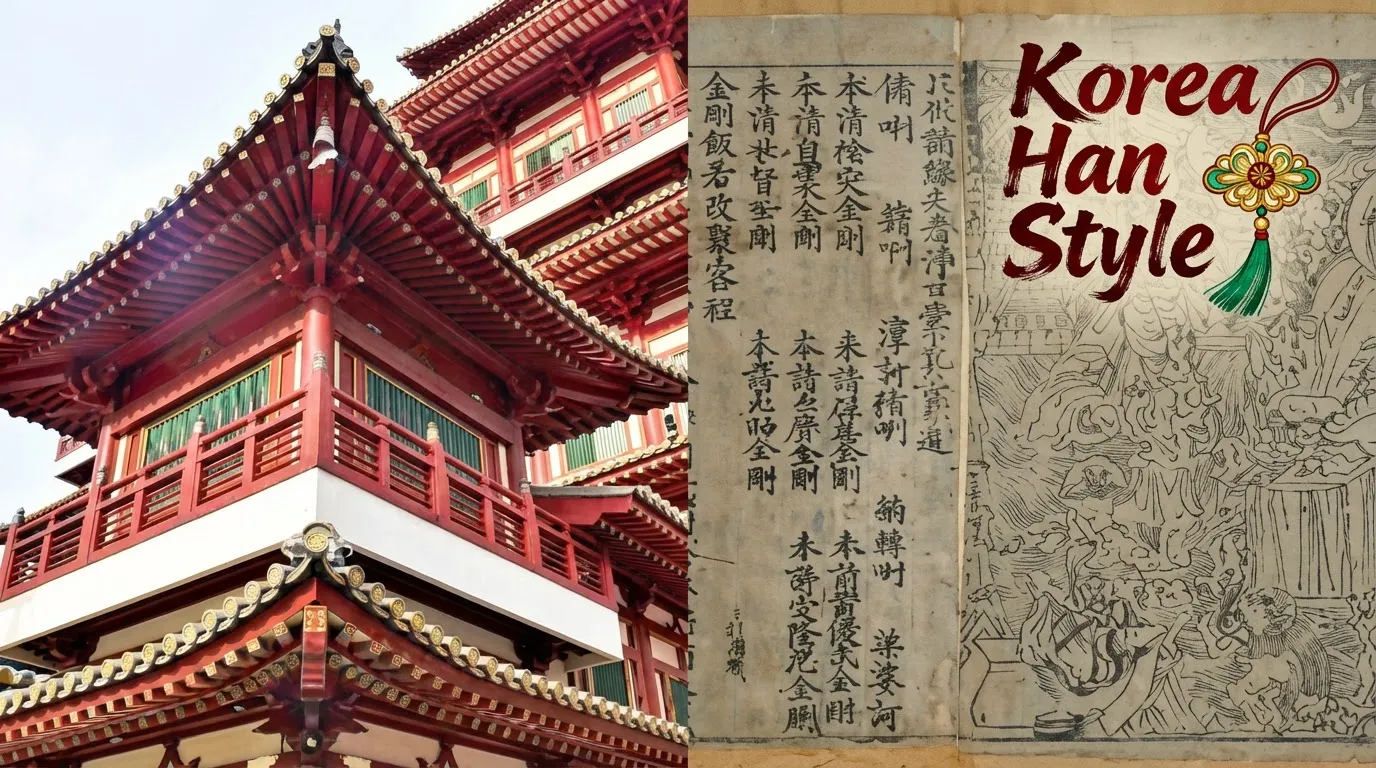
Natural Heritage During the Han Dynasty: Preserving China’s Ancient Treasures
The Han Dynasty, (206 BCE – 220 CE) marked one of China’s most prosperous and influential eras. Beyond political achievements and cultural advancements, the dynasty played a crucial role in shaping the country’s natural heritage. Forests, rivers, mountains, and wildlife were central to Han society, influencing agriculture, medicine, and daily life. Understanding how the Han…
-
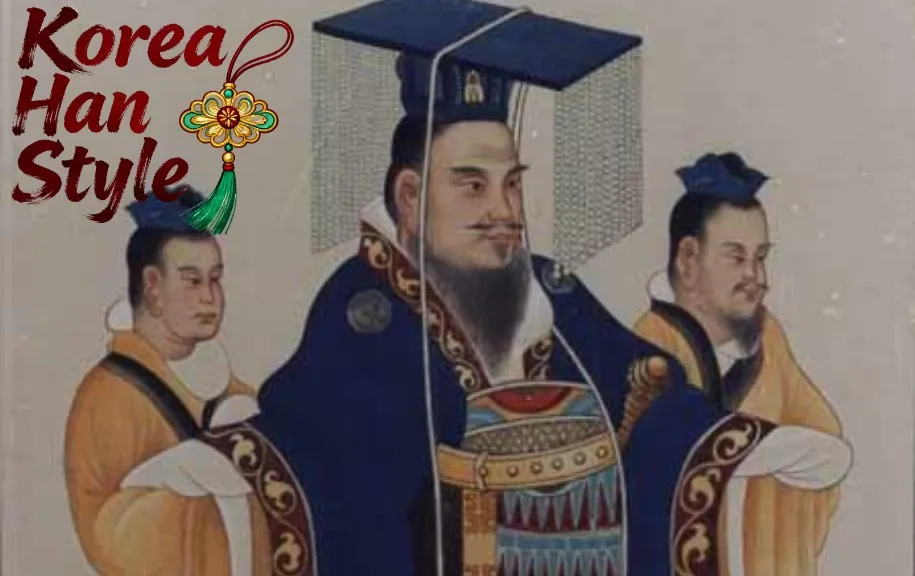
The Long History of Work and Bureaucracy in the Han Dynasty
The Han Dynasty, (206 BCE – 220 CE) stands as one of the most influential periods in Chinese history, shaping the political, social, and economic systems that lasted for centuries. Central to its success was the organization of labor and government service, which not only supported the empire’s stability but also created a lasting legacy of…
-
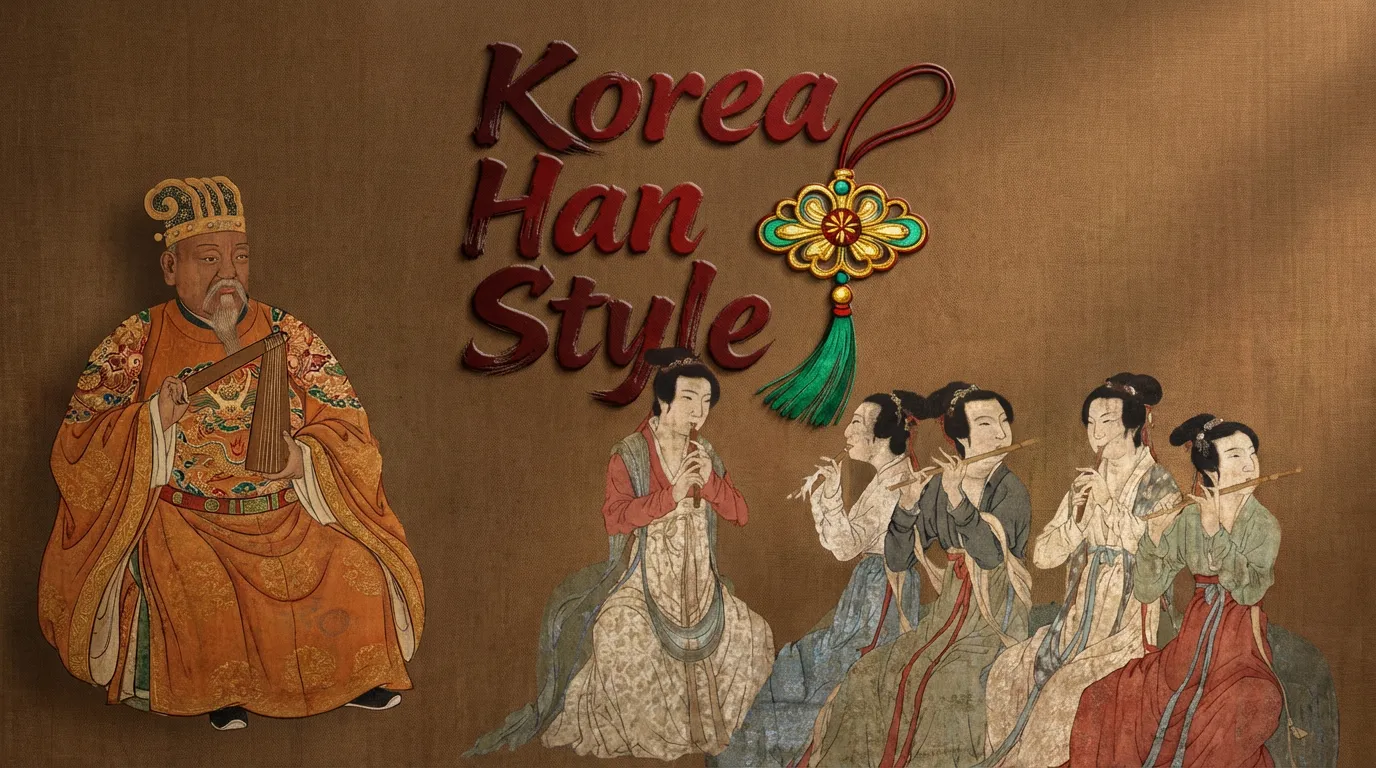
Hanji in the Han Dynasty: The Birth of Chinese Paper Culture
Hanji in the Han Dynasty, or traditional Chinese paper, during the Han Dynasty revolutionized communication, education, and administration in ancient China. Unlike earlier writing materials such as bamboo slips and silk, hanji provided a lightweight, durable, and versatile medium that facilitated the rapid spread of knowledge and culture. This innovation reshaped the Han Dynasty and…
-
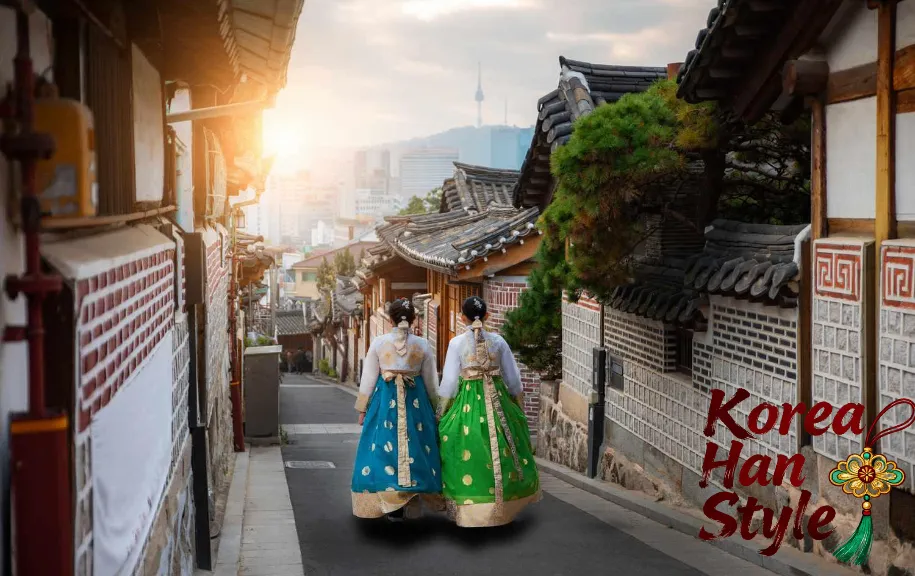
Hanok Culture: Architectural Heritage from the Han Dynasty
Hanok culture, the traditional Korean house, boasts a fascinating and philosophical history. Although the Han Dynasty originated in China (206 BC–220 AD), its influence reached ancient Korea, shaping architecture, spatial planning, and lifestyle philosophies that inspired the early concept of Hanok. These traditional homes do more than provide shelter they reflect social values, cultural identity,…
-
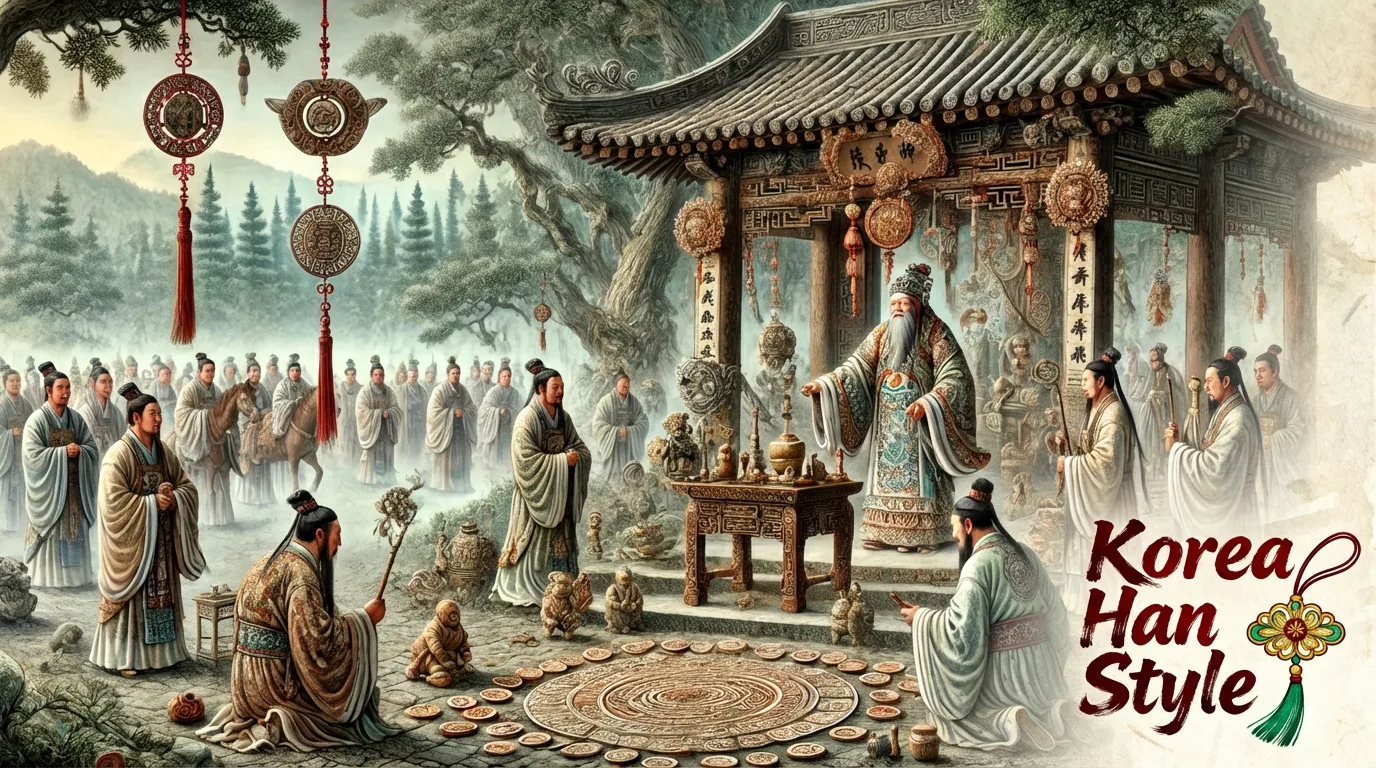
Character and Virtue in the Han Dynasty: Shaping Society Through Values
Character and virtue in the Han Dynasty, The study of character during the era of the Han Dynasty reveals more than cultural habits; it shows how values actively shaped governance, family life, and social ambition. People pursued moral discipline, intellectual growth, and loyalty as everyday goals. Moreover, rulers, scholars, and farmers alike aligned their behavior…
Han Style | 전통문화종합정보
